
Khabor Wala Desk
Published: 23rd April 2026, 8:09 PM
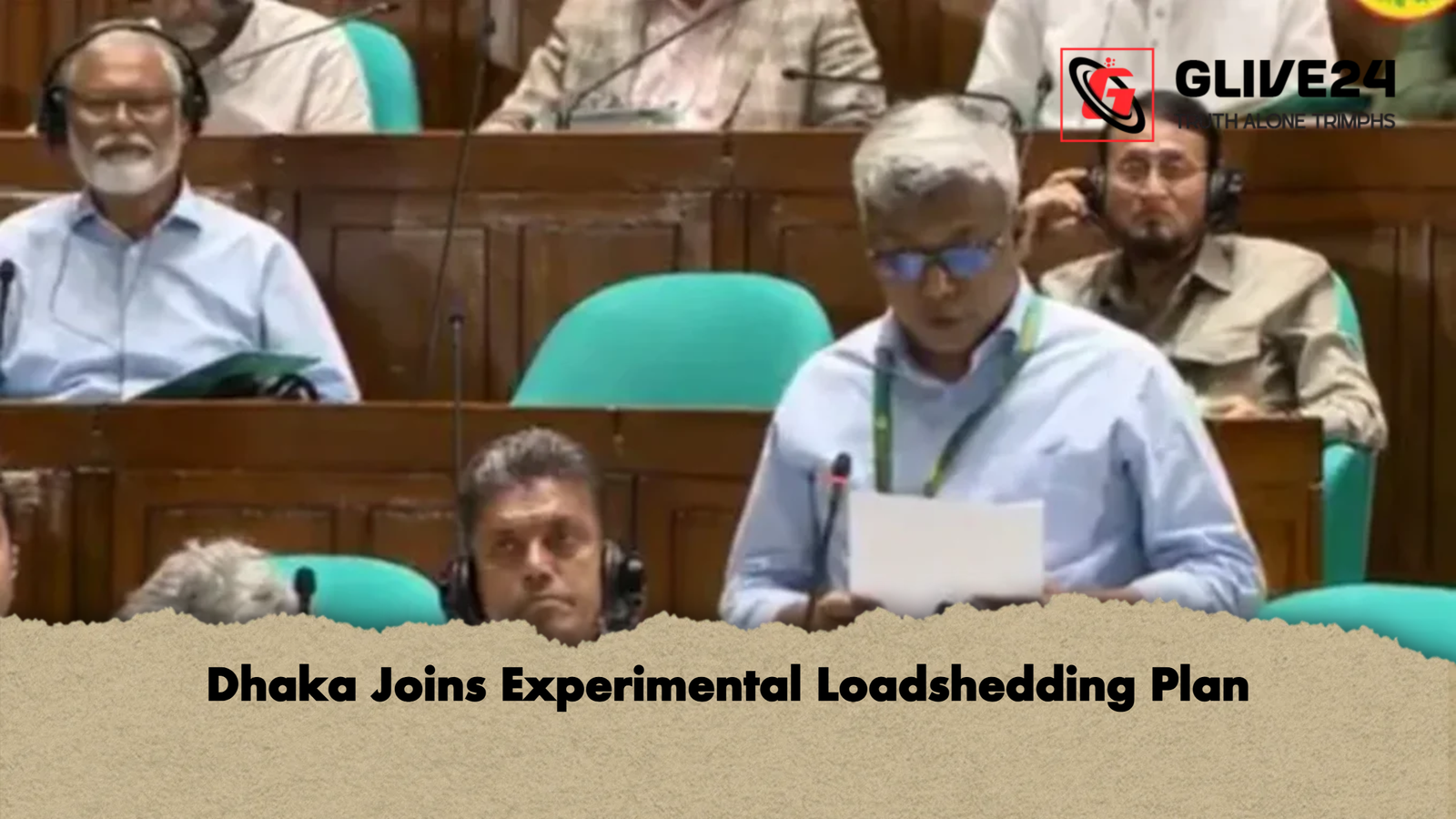
The Power, Energy and Mineral Resources State Minister Anindya Islam Amit has stated that experimental loadshedding will be introduced in the capital alongside rural areas to ensure uninterrupted irrigation in the agricultural sector and to reduce disparities in electricity supply between rural and urban regions.
He informed Parliament that shortages in fuel supply have already resulted in loadshedding in certain areas. In order to manage the situation within tolerable limits, a decision has been taken—following discussions with the Prime Minister and the Leader of the Opposition—to implement experimental loadshedding in the capital city as well. He emphasised that it is not acceptable for urban populations to enjoy comfort while rural communities suffer hardship.
The statement was made on Thursday (23 April) in the National Parliament during a sitting chaired by Speaker Hafiz Uddin Ahmed. The minister delivered his remarks under Rule 300, outlining measures adopted to address the ongoing energy crisis.
He further stated that the present government is committed to maintaining the dignity of its oath and ensuring transparency within Parliament. According to him, the current electricity situation is not a recent development but rather the result of accumulated mismanagement from previous administrations. He noted that although installed generation capacity appears high on paper, there is a significant gap between recorded capacity and actual operational reality.
The minister also highlighted that the agricultural harvesting season is currently underway. In this context, the Prime Minister has instructed uninterrupted supplies of diesel and electricity to support irrigation activities. In line with this directive and in support of the principle of equality in a non-discriminatory Bangladesh, the government has decided to introduce a pilot programme of 110 megawatts of loadshedding in the capital.
On the issue of natural gas, Anindya Islam Amit presented the following figures regarding demand and supply:
| Indicator | Quantity |
|---|---|
| Daily gas demand | 3,800 million cubic feet |
| Current supply (domestic + imports) | 2,636 million cubic feet |
| Daily deficit | 1,164 million cubic feet |
| Experimental loadshedding in Dhaka | 110 megawatts |
He explained that although financial resources are available, the rapid expansion of gas imports is constrained by a lack of necessary infrastructure. As a result, supply cannot be increased immediately to match demand.
However, the government has outlined a 180-day priority plan under which infrastructure development related to energy supply is expected to become visible. The minister stated that this initiative is intended to strengthen the overall energy system and reduce existing supply gaps over time.
In summary, the government has linked the introduction of experimental loadshedding in Dhaka with broader efforts to manage fuel shortages, support agricultural irrigation during the harvesting season, and address structural limitations in the energy supply system.




Comments