
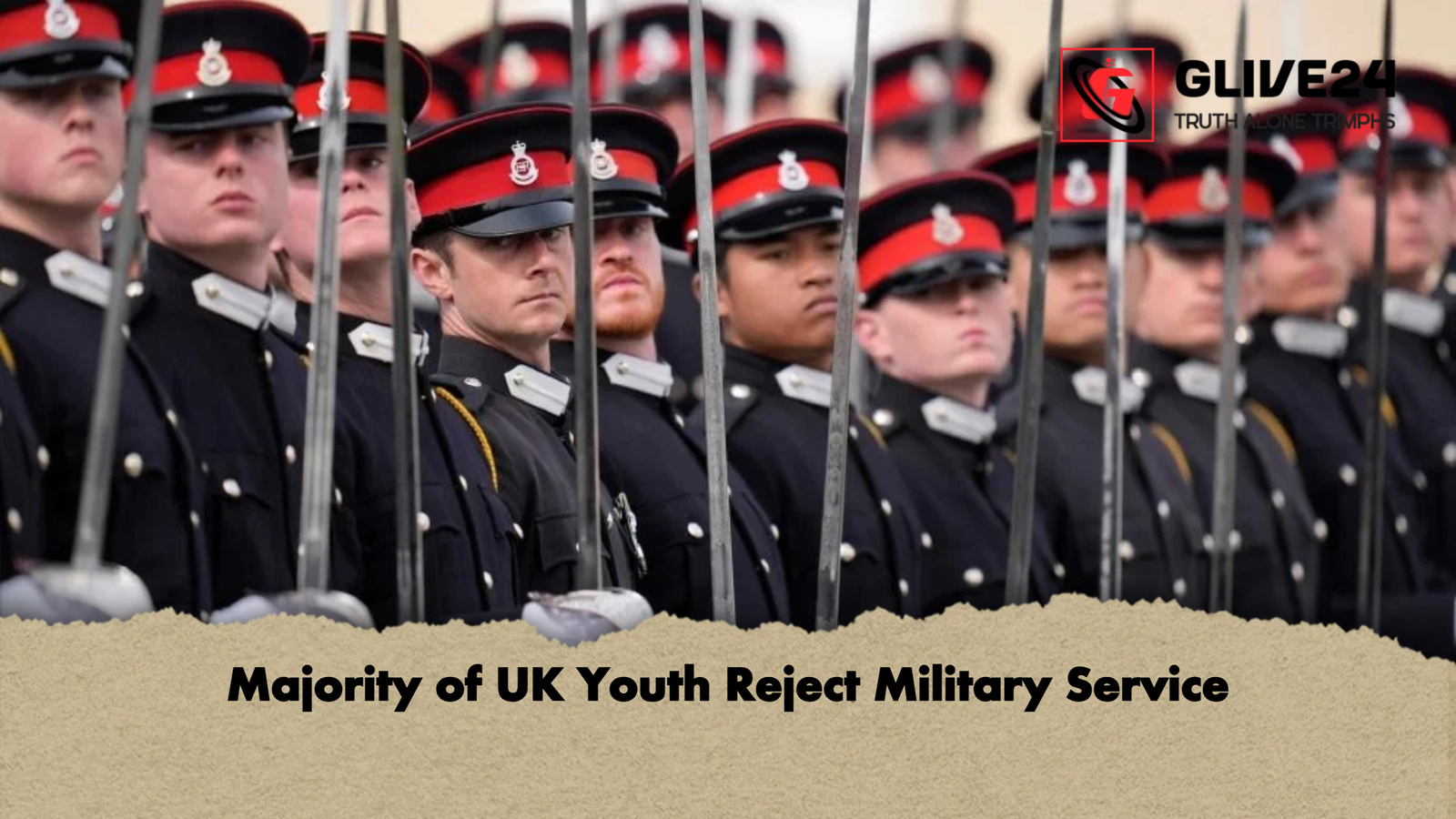
A recent public opinion survey has indicated a significant reluctance among young people in the United Kingdom to take part in military service. According to a report published in The Telegraph, more than half of respondents aged between 16 and 29 stated that they would not participate in any circumstances in fighting for the United Kingdom.
The survey was conducted by the John Smith Centre at the University of Glasgow, involving 2,000 young participants. The findings suggest a substantial level of disengagement among this demographic regarding the prospect of military involvement.
The results show that only 38 per cent of respondents said they would be willing to serve in the military under certain conditions. The remaining proportion either rejected the idea entirely or expressed strong reluctance. The report attributes this trend to widespread dissatisfaction among young people with the country’s political and economic systems.
Eddie Barnes, Director of the John Smith Centre, commented that willingness to defend a country is closely linked to whether young people feel that the state is working in their interests. He pointed to issues such as housing shortages, low wages, rising debt burdens, and concerns over job displacement linked to artificial intelligence as contributing factors behind growing uncertainty among the younger population.
The survey also highlighted a marked decline in optimism about personal prospects. Over the past year, the proportion of young people who believe their lives will be better than those of their parents has fallen sharply.
Key findings from the survey:
| Indicator | Result |
|---|---|
| Will not fight under any circumstances | Over 50% |
| Willing to fight under certain conditions | 38% |
| Believe their lives will improve compared to parents (previous year) | 63% |
| Believe their lives will improve compared to parents (current year) | 36% |
| Believe political system treats them fairly | 25% |
Only 25 per cent of respondents believe that the current political system treats them fairly. The majority of participants expressed the view that British democracy is under strain and that the political landscape is increasingly divided.
Many young respondents stated that they see little incentive to defend a social system that, in their view, does not provide adequate access to housing or long-term financial security such as retirement provision. Several also reported that despite holding higher education qualifications, they continue to face difficulties in the labour market and remain financially dependent on their parents.
The survey concludes that a combination of economic insecurity, structural inequality, and declining trust in political institutions has contributed to a weakening of willingness among young people to consider military service in defence of the United Kingdom.