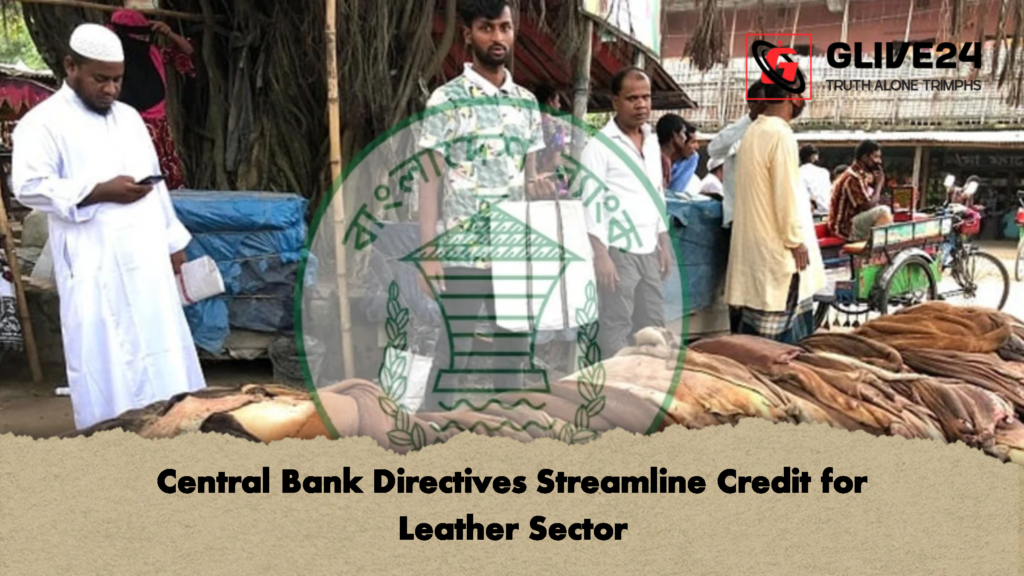
Bangladesh Bank has issued a critical set of directives to scheduled banks, mandating the accelerated disbursement of credit to leather traders. This regulatory intervention is designed to facilitate the systematic collection, preservation, and commercial processing of raw hides during the forthcoming Eid-ul-Azha festival. Announced on Tuesday, 5 May 2026, the directive underscores the leather industry’s status as a high-priority, export-oriented sector that relies almost exclusively on domestic raw materials.
Table of Contents
The Economic Significance of the Leather Sector
The leather industry is a fundamental pillar of the Bangladeshi economy, playing a vital role in Gross Domestic Product (GDP) growth, extensive job creation, and the generation of foreign exchange. A critical volume of the industry’s annual raw material supply is harvested during the Eid-ul-Azha period. Consequently, the sector’s long-term sustainability depends heavily on the efficient management and financing of hide collection during this peak window.
Central bank authorities emphasized that ensuring liquidity for traders is paramount to protecting these hides, which are officially regarded as a national asset. Delays in funding frequently result in the spoilage of raw hides due to poor preservation, leading to substantial financial deficits and adverse environmental impacts from improper waste disposal.
Mandates for Working Capital Disbursement
Bangladesh Bank has directed commercial banks to sanction and release working capital loan limits to leather entrepreneurs, predicated on existing professional banking relationships. The central bank’s circular stresses that institutions must move beyond mere paperwork approvals, focusing instead on the tangible delivery of funds to the market.
Core components of the credit directive include:
-
Grassroots Inclusivity: Banks are specifically instructed to ensure that financial assistance reaches small and medium-sized enterprises (SMEs) and grassroots traders. This maintains a healthy liquidity flow throughout the entire supply chain, from rural collection hubs to centralized tanneries.
-
Non-Negotiable Targets: For the 2026 cycle, banks must establish explicit credit disbursement targets for the purchase of raw hides. These targets are prohibited from being lower than the benchmarks set during the 2025 Eid-ul-Azha season.
-
Stringent Reporting: All scheduled banks must report their finalized targets and actual disbursement data to the Banking Regulation and Policy Department (BRPD) by 31 July 2026, utilizing a standardized reporting format.
Temporary Policy Shift: Easing Debt Conditions
To maximize participation in the hide collection market, the central bank has implemented a strategic relaxation of regulations concerning previously rescheduled loans. Under standard banking protocols, borrowers with a history of rescheduled debt are required to provide a “compromised amount” or down payment to qualify for new credit.
However, to bolster the cash reserves of tanners and traders for the seasonal surge, Bangladesh Bank has temporarily suspended the mandatory collection of compromised payments for those seeking fresh loans specifically for raw hide procurement. This temporary waiver is active immediately and will remain valid until 30 June 2026. This intervention allows traders with historically distressed accounts to secure the capital necessary to compete effectively, ensuring fair pricing for seasonal hide collectors.
Statutory Authority and Economic Projections
The central bank exercised its powers under Section 45 of the Bank Company Act, 1991, to issue these binding instructions. The directives are enforceable immediately across all scheduled banks in Bangladesh.
By optimizing the financing landscape, the central bank anticipates several positive economic shifts:
-
Optimised Export Value: Improved preservation of raw hides directly enhances the quality of finished leather, allowing for higher pricing in international markets.
-
Sustained Employment: The sector provides livelihoods for millions; stable financing ensures that processing plants can operate at full capacity, maintaining employment stability.
-
Industrial Value Addition: Streamlined collection facilitates superior grading, enabling domestic manufacturers of footwear and leather goods to achieve greater value addition.
This proactive regulatory approach aligns with the national objective of strengthening the “Made in Bangladesh” brand within the global luxury and industrial leather markets, ensuring that seasonal raw material abundance translates into sustainable economic prosperity.