
Khabor Wala Desk
Published: 9th May 2026, 3:06 PM
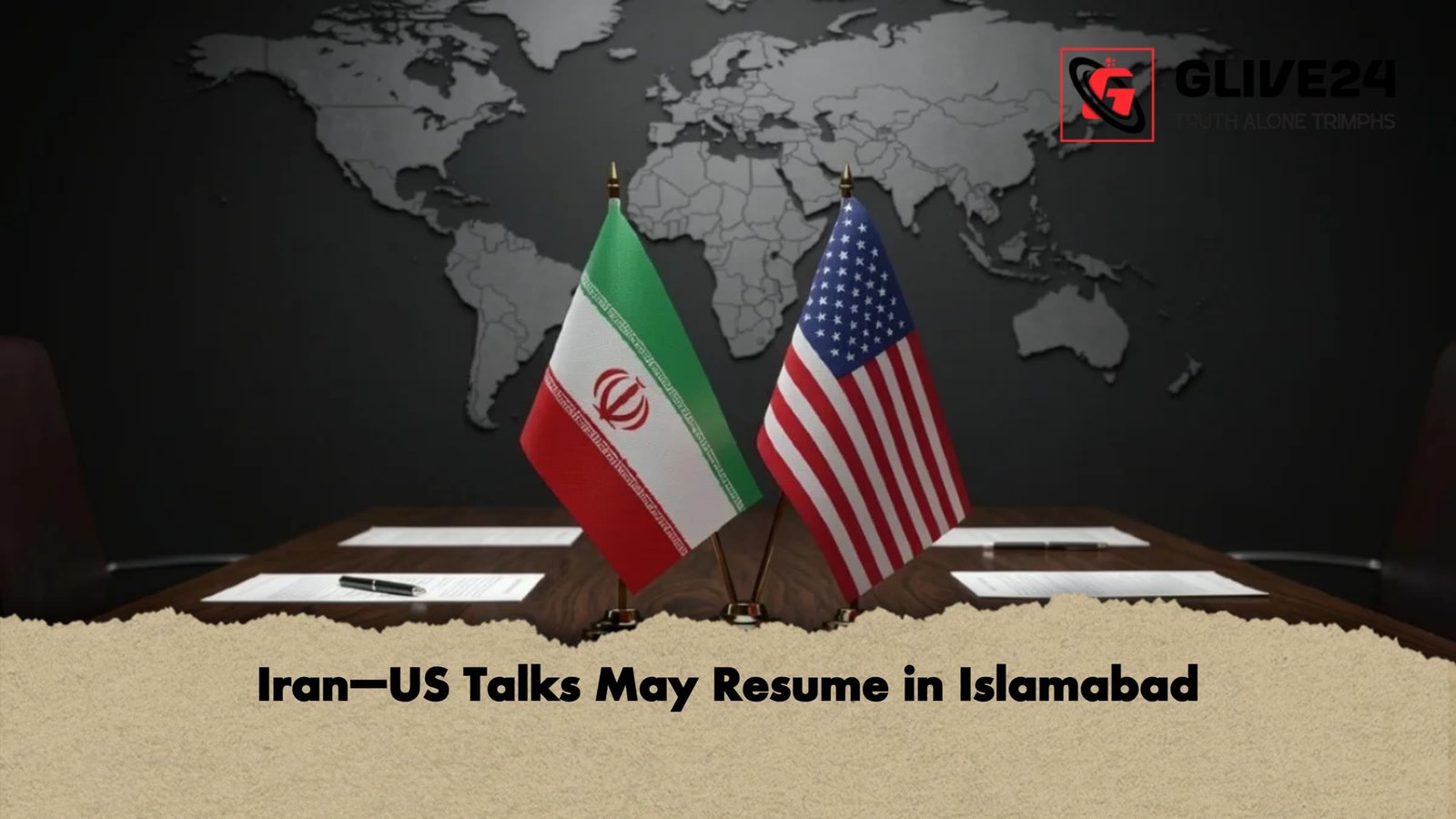
The United States and Iran are expected to resume stalled negotiations as early as next week in Islamabad, the capital of Pakistan, according to a report published by the Wall Street Journal.
Citing informed sources, the newspaper reports that both sides are currently working, with the assistance of mediators, on a one-page memorandum of understanding. The draft document reportedly consists of 14 points and is intended to outline a framework for talks scheduled to last for approximately one month. The primary objective of the proposed negotiations is to address and reduce what has been described as ongoing “shadow conflict” and heightened tensions between the two countries.
Under the proposed framework, the forthcoming discussions are expected to focus in particular on Iran’s disputed nuclear programme. Another central issue is likely to be the security of the strategically significant Strait of Hormuz, a key maritime passage for global energy transport. The draft agenda also includes discussion of the sensitive issue of transferring Iran’s stockpile of highly enriched uranium to another country, as part of broader confidence-building measures.
The Wall Street Journal further reports that, despite progress on the drafting process, several major disagreements remain unresolved. One of the most significant points of contention relates to the scope and extent of easing economic sanctions. According to the report, this issue remains a major obstacle and could potentially undermine or derail the negotiations if no compromise is reached.
It is also noted that the initial phase of talks is intended to serve as a foundation for further negotiations. Should the first stage prove successful, the duration of the one-month framework may be extended with the consent of both parties.
| Category | Details |
|---|---|
| Reported location | Islamabad, Pakistan |
| Parties involved | United States and Iran |
| Document type | One-page memorandum of understanding |
| Structure | 14-point draft framework |
| Initial duration | Approximately one month |
| Key agenda items | Nuclear programme, Strait of Hormuz security |
| Sensitive issue | Transfer of highly enriched uranium |
| Main dispute | Scope of sanctions relief |
| Possible extension | Subject to mutual agreement |
The report also notes differing views on the potential significance of the talks. According to international analysts, if the discussions in Islamabad succeed, they could represent a notable development in the broader regional situation in the Middle East. This assessment is presented in the report as an external analytical perspective rather than a confirmed outcome.
Overall, the proposed negotiations are being described as a structured attempt to re-engage diplomatic channels between Washington and Tehran, with a defined framework and set of priority issues aimed at reducing long-standing tensions.


Comments