As the countdown to the FIFA World Cup progresses, global anticipation has reached a fever pitch. With the final draw concluded and all participating nations confirmed, football analysts and betting institutions have released their projections regarding group outcomes. This forthcoming tournament marks a historic milestone as the first edition to feature an expanded format of 48 teams.
Table of Contents
Regional Giants and Home Advantages
The statistical data indicates that established European and South American powerhouses remain the primary contenders to secure the top spots in their respective groups. However, the influence of home-field advantage for the co-hosts—Mexico, Canada, and the United States—is expected to play a significant role in the initial stages.
In Group A, Mexico is widely considered the frontrunner due to the immense support they will receive on home soil. They face competition from South Africa, South Korea, and the Czech Republic. Similarly, in Group B, while Switzerland possesses the greatest depth of experience, co-host Canada is expected to leverage local enthusiasm to challenge for the top position against Qatar and Bosnia.
South American Dominance
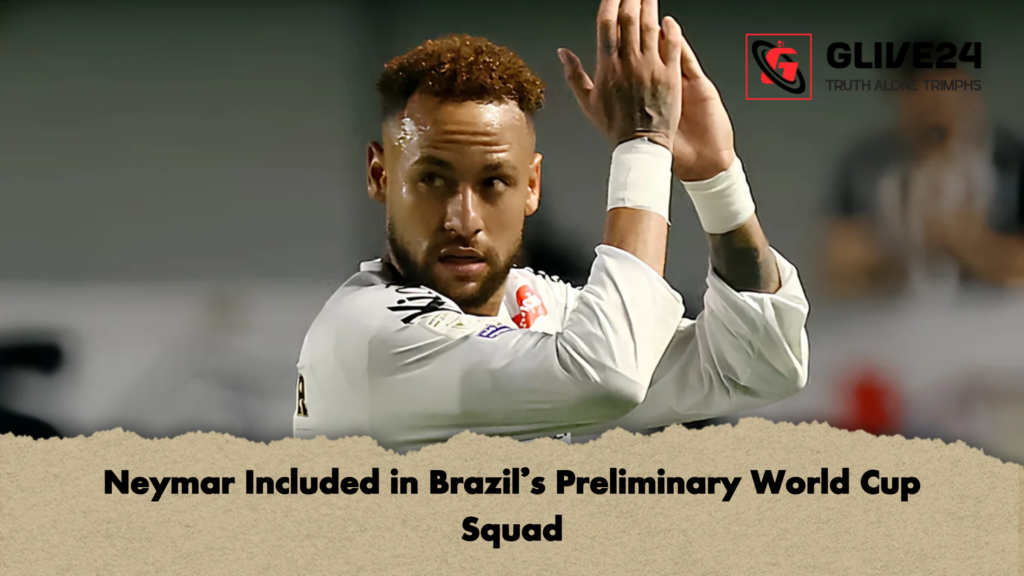
South American giants Brazil and Argentina enter the tournament with high expectations. Brazil, five-time world champions, are the clear favourites in Group C, though they face a formidable opponent in Morocco, who reached the semi-finals in the previous World Cup. In Group J, the reigning world champions, Argentina, led by Lionel Messi, are the definitive candidates to lead their group, which includes Algeria, Austria, and Jordan.
European Prospects and Emerging Challengers
The European contingent remains formidable across several brackets:
-
Germany: Four-time champions Germany are the distinct favourites in Group E, facing Ivory Coast, Ecuador, and Curaçao.
-
Netherlands: Group F sees the Netherlands as the most experienced side, though they must contend with the tactical discipline of Japan and Sweden.
-
Belgium: Despite historical uncertainties regarding participation, Iran will compete in Group G; however, Belgium remains the top-seeded favourite based on squad strength.
-
Spain: In Group H, Spain enjoys fan-favourite status, but a competitive struggle is anticipated with Uruguay.
-
France: Group I is headlined by France, though the presence of Norway and Senegal introduces a high probability of competitive upsets.
Comprehensive Group Outlook and Favourites
The following table summarises the group compositions and the teams currently projected to lead their respective tables:
| Group | Participating Teams | Projected Group Leader |
| A | Mexico, South Africa, South Korea, Czech Republic | Mexico |
| B | Switzerland, Canada, Qatar, Bosnia | Switzerland / Canada |
| C | Brazil, Morocco, Haiti, Scotland | Brazil |
| D | USA, Paraguay, Australia, Turkey | USA |
| E | Germany, Ivory Coast, Ecuador, Curaçao | Germany |
| F | Netherlands, Japan, Sweden, Tunisia | Netherlands |
| G | Belgium, Iran, Egypt, New Zealand | Belgium |
| H | Spain, Uruguay, Cape Verde, Saudi Arabia | Spain |
| I | France, Norway, Senegal, Iraq | France |
| J | Argentina, Algeria, Austria, Jordan | Argentina |
| K | Portugal, Colombia, Congo, Uzbekistan | Portugal |
| L | England, Croatia, Ghana, Panama | England |
Conclusion
The expanded 48-team format has introduced a diverse array of competitors, including emerging nations such as Uzbekistan, Cape Verde, and Jordan. In Group K, Cristiano Ronaldo’s Portugal remains the most popular choice to lead, though Colombia poses a significant threat. In Group L, England is favoured to finish first, but they face stern opposition from Croatia and an unpredictable Ghana side. As the tournament approaches, the focus remains on whether these traditional giants can withstand the pressure of a larger, more competitive field.