Khabor Wala Desk
Published: 19th May 2026, 4:53 PM
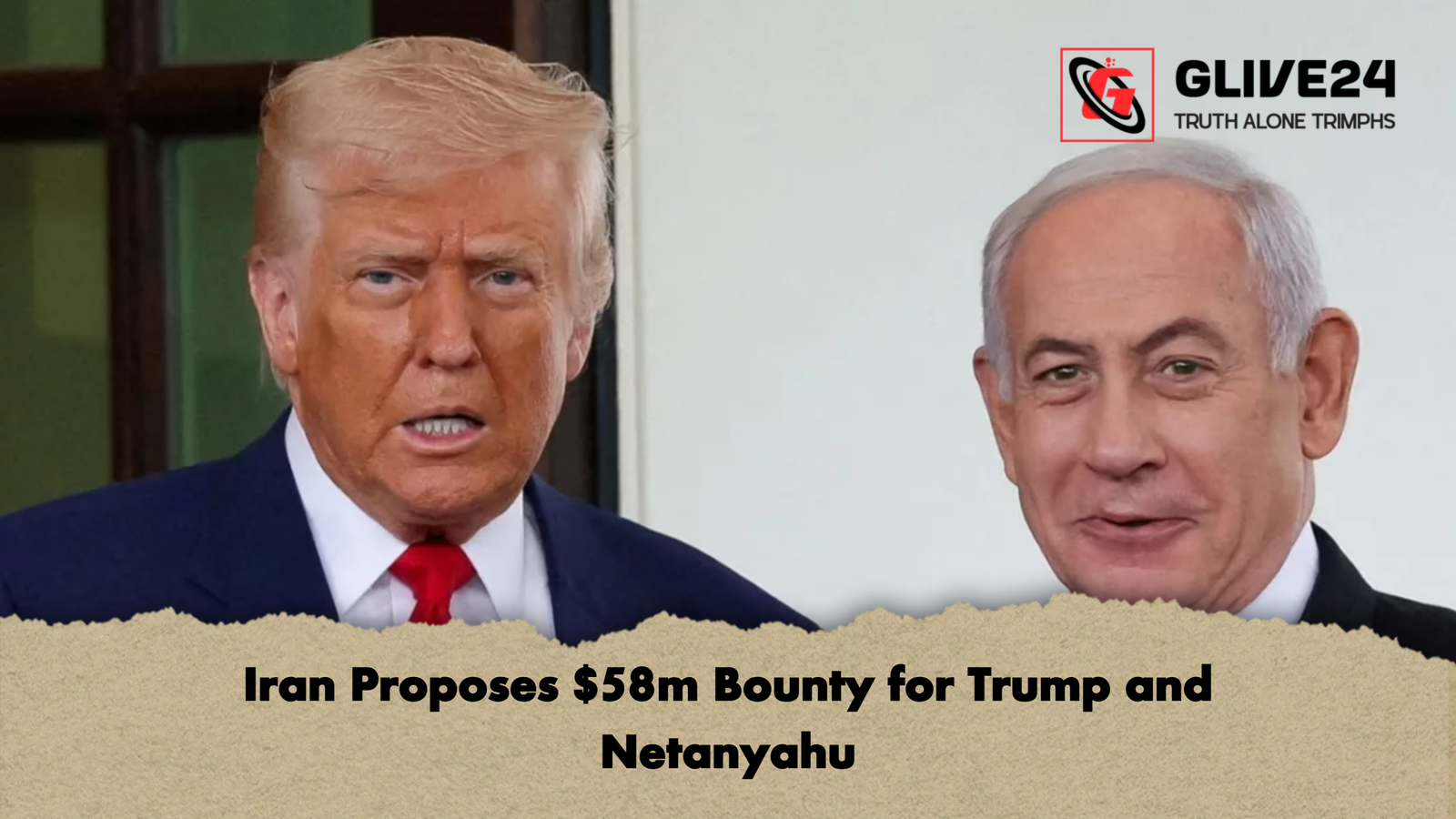
Iran is actively deliberating the introduction of a massive financial bounty aimed at the assassination of United States President Donald Trump and Israeli Prime Minister Benjamin Netanyahu. The Iranian parliament, known as the Majlis, is preparing to pass a new piece of legislation officially titled “Countermeasures of the Military and Security Forces of the Islamic Republic”. Under this proposed framework, legal authorisation would be granted to award €50 million (approximately $58.23 million) to anyone who successfully assassinates these top American and Israeli leaders.
According to investigative reports published by the international news outlet Iran Wire and the UK’s The Telegraph, this legislative move is a direct retaliation for the death of Iran’s former Supreme Leader, Ayatollah Ali Khamenei. Khamenei was killed on 28 February during a joint air and missile strike executed by US and Israeli forces in Tehran.
Ebrahim Azizi, the Chairman of the Iranian Parliament’s National Security and Foreign Policy Committee, has formally confirmed the drafting and preparation of the bill. Reports from Iran Wire indicate that Azizi explicitly named three primary targets who should face these retaliatory measures due to their direct roles in the assassination of Supreme Leader Ali Khamenei:
Donald Trump, President of the United States
Benjamin Netanyahu, Prime Minister of Israel
Admiral Brad Cooper, Commander of the United States Central Command (CENTCOM)
Mahmoud Nabavian, another influential member of the same parliamentary committee, announced that the final vote on this state-sanctioned bounty bill is scheduled to take place in the Iranian parliament shortly. He stated that the financial reward is reserved for any individual capable of sending Donald Trump and Benjamin Netanyahu “to hell”.
Days before this official government bill was introduced to the Majlis, ‘Masaf’—an influential media outlet backed by the Iranian regime—claimed it had already secured a dedicated financial fund of $50 million for a specialised covert operation codenamed “Kill Trump”.
Simultaneously, ‘Handala’, a state-sponsored cyber warfare and hacking group operating out of Iran, issued a separate statement. This announcement came as a direct counter-response to the US Department of Justice, which had previously offered a $10 million reward for information leading to the capture of Handala’s members. In defiance, the hacking group labelled Trump and Netanyahu as the “masterminds of oppression and corruption”, allocating a $50 million bounty of their own. Handala clarified that this sum would be delivered to anyone who takes “tangible action” against the two heads of state.
| Proposing Entity / Source | Designated Targets | Pledged Bounty Amount |
| Iranian Parliament (Proposed Legislation) | Donald Trump, Benjamin Netanyahu, and Admiral Brad Cooper | €50 million (~$58.23 million) |
| ‘Masaf’ Media Outlets (State-Backed) | Donald Trump (Special Operation) | $50 million |
| ‘Handala’ Hacking Group (State-Sponsored) | Donald Trump and Benjamin Netanyahu | $50 million |
Geopolitical analysts observe that this proposed bounty legislation represents a significant escalation, departing from Iran’s historical reliance on verbal threats, religious fatwas, or state propaganda. Experts warn that the institutionalisation of these bounties poses a severe threat to the fragile, ongoing ceasefire currently held between the United States, Israel, and Iran. The move unfolds against a backdrop of severe deterrence; last year, the US President warned in a speech that any Iranian attempt on his life would result in definitive orders to the US military to completely erase Iran from the map.
Critically, the revelation of these state-sanctioned bounties coincides with a delicate diplomatic juncture. Iran recently transmitted a revised and updated peace proposal to the United States. However, Washington swiftly rejected the submission, asserting that it demonstrated no meaningful progress beyond Tehran’s previous positions. According to US officials, bilateral negotiations have reached an exceptionally complex and critical impasse, leaving the onus entirely on Iran to make the next move.
No related posts available.
Comments