
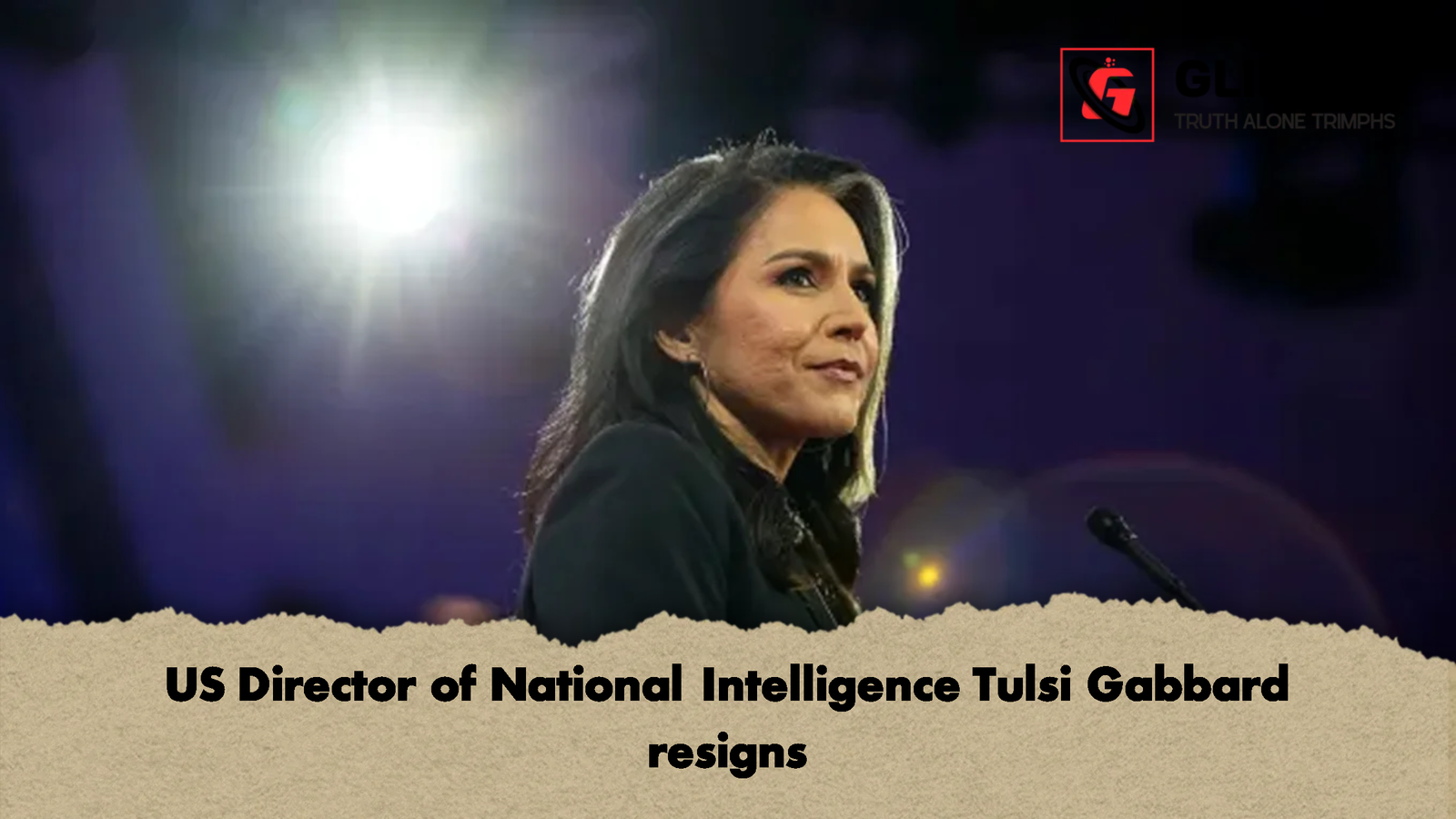
The United States Director of National Intelligence (DNI), Tulsi Gabbard, has officially tendered her resignation from her cabinet-level position. The announcement was made public by Gabbard herself on Friday, through a formal resignation letter published on the social media platform X, formerly known as Twitter. According to the details specified in the correspondence, her departure from the head of the American intelligence community is scheduled to become officially effective on 30 June.
With this decision, Gabbard becomes the fourth cabinet-level official to resign from the administration during President Donald Trump’s second presidential term. While her official communication focuses on urgent domestic circumstances, international news agencies have highlighted broader administrative dynamics surrounding her departure.
Official rationale and family circumstances
In the formal resignation letter addressed directly to President Donald Trump, Gabbard cited acute personal and family health emergencies as the primary motivation behind her abrupt decision to step down from public service. She provided specific details regarding the health crisis currently affecting her household, noting that her husband of eleven years, Abraham Williams, has recently been diagnosed with an exceedingly rare form of bone cancer.
Reflecting on her tenure and personal life, Gabbard emphasized the role her husband has played throughout their marriage. She noted that he had remained a constant source of strength and support during her various professional commitments, including her military deployment to East Africa as well as multiple demanding political campaigns.
Gabbard stated in her letter that, given the severity of the life-threatening illness, she could not in good conscience continue to execute the highly demanding and time-consuming duties required by the position of Director of National Intelligence while leaving her husband to face the medical crisis without her presence. Consequently, she concluded that withdrawing from her public role was necessary to ensure she could remain alongside her husband during his treatment.
Policy disagreements and media reports
Despite the explicit focus on family health within the official resignation letter, major international news organizations have reported alternative contributing factors behind the departure. Reports from the French news agency AFP indicated that Gabbard’s resignation follows a prolonged period of escalating disagreements with President Trump concerning geopolitical strategy, particularly regarding intelligence assessments and military policy toward Iran.
Furthermore, reports from the Reuters news agency explicitly alleged that Gabbard was effectively pressured into resigning by the White House. According to these accounts, relations between Gabbard and senior policymakers within the Trump administration had deteriorated significantly. The core of the friction reportedly centred on potential military conflict with Iran, an issue where Gabbard’s policy stance diverged sharply from other high-ranking administration figures.
Gabbard, a military veteran who famously left the Democratic Party before aligning with Donald Trump’s political camp, has historically maintained a consistent ideological position against direct United States military intervention in the Middle East. Her consistent opposition to American involvement in foreign conflicts created significant friction with the administration’s strategic directives.
While the official documentation relies strictly on private family matters, the backdrop of deep-seated policy divisions over intelligence evaluations and Middle Eastern military engagements remains a key context highlighted by international observers surrounding her exit from the post of Director of National Intelligence.