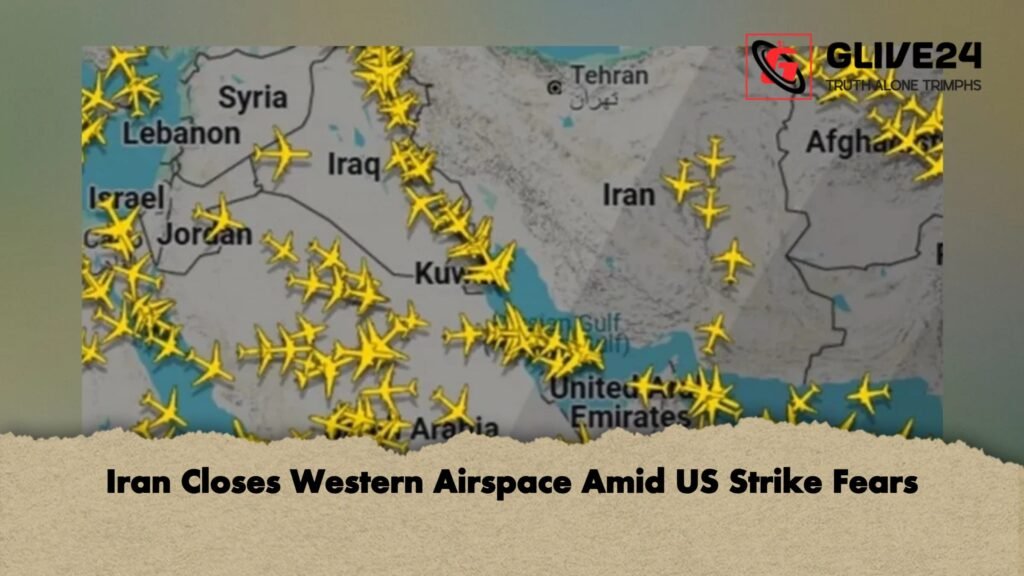
The Iranian Civil Aviation Organisation has officially announced the temporary closure of western Iran’s airspace effective Saturday, 23 May 2026. This strategic decision follows intelligence reports suggesting that the United States military is preparing for potential new kinetic operations against Iranian targets. The suspension of civilian aviation activity reflects heightening regional tensions and a prioritisation of national security.
Restricted Flight Operations and Airport Status
According to an official statement, all civilian flight authorisations within the western sector of the Tehran Flight Information Region (FIR) have been suspended. The scope of the closure is extensive, leaving only eight airports operational across the entire country. Furthermore, these remaining hubs are subject to stringent operational constraints to mitigate risks during hours of darkness.
Flight movements at the functional airports are strictly limited to daylight hours, specifically from sunrise to sunset. To maintain rigorous oversight, airlines are required to secure fresh individual permits from the Civil Aviation Organisation for every scheduled flight.
| Airport Name | Current Status | Operational Restrictions |
| Imam Khomeini International | Operational | Daylight hours only; individual flight permits required. |
| Tehran Mehrabad | Operational | Daylight hours only; individual flight permits required. |
| Isfahan International | Operational | Restricted to daylight operations; security clearance needed. |
| Yazd Sadooghi | Operational | Restricted to daylight operations; security clearance needed. |
| Western Region Airports | Closed | All civilian flight authorisations suspended. |
| Remaining 4 Hubs | Operational | Limited to daylight hours under strict CAO supervision. |
Escalating Tensions and Diplomatic Context
The current military posture comes amidst intense speculation regarding a renewed direct confrontation between Washington and Tehran. On Friday, 22 May, reports from Axios and CBS News indicated that the US administration is actively considering a fresh wave of strikes. Adding weight to these reports, President Donald Trump has modified his usual weekend schedule to remain in Washington D.C., a move widely interpreted by observers as a preparatory step for a developing military situation.
Despite the military escalation, back-channel diplomatic efforts are reportedly ongoing. Sources indicate that negotiators are still attempting to reach a potential bilateral agreement to de-escalate the situation. However, the closure of the western corridor—a critical transit path for international aviation—underscores the severity of the perceived threat.
The Iranian Civil Aviation Organisation has not specified a definitive end date for these restrictions, stating that the measures will remain in place as long as the threat of external aggression persists. International carriers have begun rerouting flights to avoid the affected FIR, leading to increased congestion in neighbouring corridors.