
European Union member states have yet to strike an agreement on key emissions reduction targets ahead of next week’s COP30 climate summit in Brazil, with environment ministers set to reconvene on Wednesday in a last-ditch effort to finalise a deal, according to officials in Brussels.
For months, EU countries have been locked in negotiations over two major goals: one for 2035, which must be presented at the upcoming United Nations climate conference, and another for 2040. However, talks held in Brussels on Tuesday concluded without a breakthrough, prompting a European Council spokesperson to confirm that “negotiations will continue all night.”
“Ministers will reconvene tomorrow morning at approximately 9:00 am (0800 GMT),” the spokesperson told reporters.
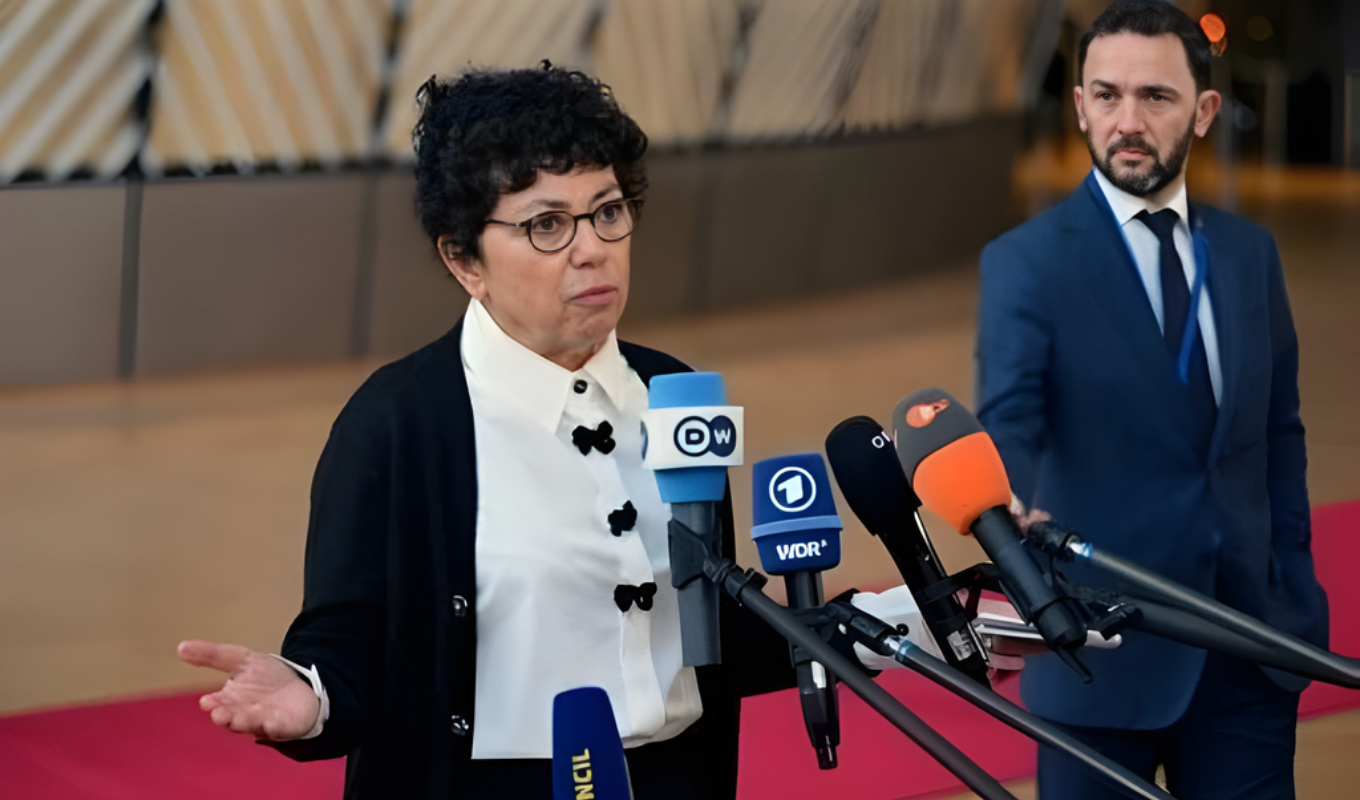
The discussions are seen as crucial, coming just days before the COP30 summit in Brazil, where the EU is expected to reaffirm its global leadership on climate action. French Environment Minister Monique Barbut cautioned that arriving at the summit “empty-handed” would spell “disaster” for the bloc’s credibility.
Although the EU ranks behind China, the United States and India in overall emissions, it has been widely regarded as the most proactive of the major polluters, having already reduced emissions by 37 percent compared with 1990 levels. Yet the political winds in Europe have shifted markedly to the right in recent years, with defence, economic competitiveness, and industrial concerns increasingly overshadowing environmental priorities.
“It’s very, very difficult,” admitted one EU diplomat on Tuesday night, describing the tense atmosphere in Brussels.
Denmark, which currently holds the bloc’s rotating presidency, was reportedly working intensively to bring sceptical nations such as Italy on board. Italy has been among the most resistant to the proposed climate targets, arguing that aggressive emissions cuts could damage its industrial base.
The most urgent task facing ministers is to agree unanimously on the EU’s 2035 Nationally Determined Contribution (NDC) — the emissions reduction pledge each Paris Agreement signatory must bring to COP30. “I want our heads of state and government to go to Brazil with a very strong mandate, a clear leadership role for Europe,” said German Environment Minister Carsten Schneider.
The European Commission has also urged member states to endorse a longer-term target aimed at achieving carbon neutrality by 2050. In July, the Commission proposed cutting emissions by 90 percent by 2040 compared with 1990 levels, describing it as a key milestone on the road to net zero.
However, member states remain divided. While Spain, Germany and the Nordic nations back the proposal — with Germany adding some qualifications — Hungary, Poland, the Czech Republic and Italy remain opposed, citing risks to jobs and industrial competitiveness. France, meanwhile, has been deliberately ambiguous, demanding assurances that its nuclear energy sector will not be disadvantaged by green transition measures and calling for flexibility in case Europe’s forests absorb less carbon than projected.
– ‘Not Pretty’ Negotiations –
To win over the most resistant members, negotiators explored a range of “flexibilities,” including allowing countries to count carbon credits purchased to finance emission-reduction projects outside Europe. The European Commission offered to let such credits represent up to three percent of a nation’s 2040 cuts, but hardliners demanded a five percent ceiling and additional reviews of the overall target every two years.
Environmental campaigners have accused several member states of trying to weaken the EU’s climate ambitions by introducing loopholes. Nonetheless, one diplomat involved in the talks defended the compromise taking shape. “In the muddy, messy, nasty real world out there, we are trying to achieve something good,” the diplomat said, speaking on condition of anonymity.
Despite the discord, the EU insists it remains steadfast in its role as a global climate leader. In 2024, the bloc mobilised €31.7 billion (£27.5 billion) in public climate finance, making it the world’s largest donor.