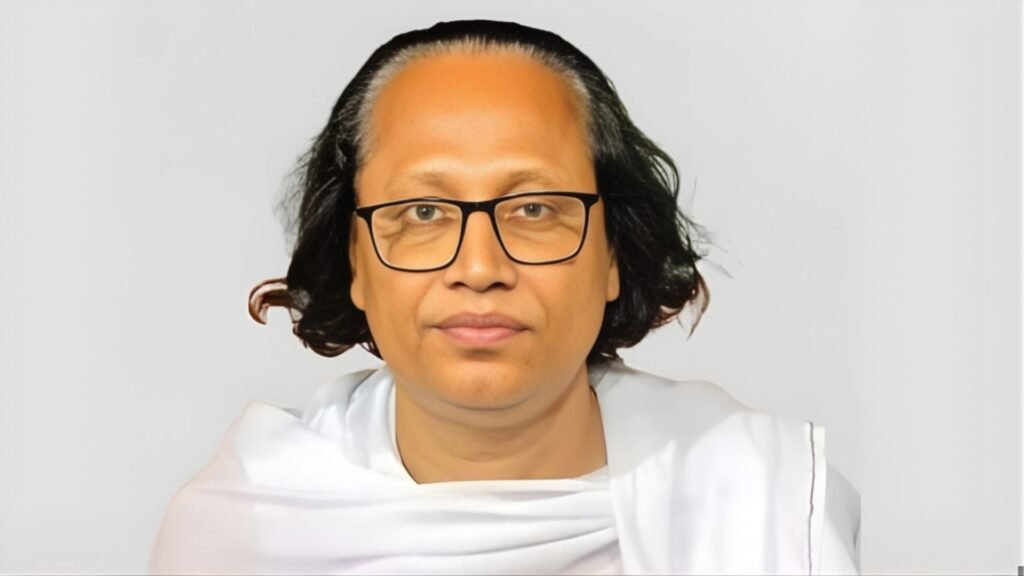
Bangladesh’s cultural sphere has been shaken once again after the arrest of celebrated Baul artiste Abul Sarkar and the violent assault on his followers in Manikganj. The charges—centred on alleged “religious defamation”—have been described by many as politically convenient and socially destructive. In a powerful collective statement, 258 notable citizens have condemned the arrest and urged the authorities to put an end to what they describe as a dangerous drift towards religious authoritarianism.
The statement points to a pattern that has intensified since the July uprising. A segment of zealots, the signatories argue, has acted as though it possesses exclusive custodianship over Islam, imposing a vigilante regime across the country. Their activities include the destruction of more than two hundred shrines, branding dissenters as apostates, exhuming and burning bodies, forcibly cutting the hair of Baul mystics, policing women’s appearance, and shutting down cultural events ranging from concerts to sports and village celebrations. These actions, they suggest, are part of a deliberate campaign to eliminate alternative thought and lifestyle traditions.
Such an environment, they warn, has produced a suffocating public sphere where laughter, artistic expression, ritual and community gatherings are stifled. The repeated invocation of “religious insult” has become a weapon to silence counter-voices and intimidate minority cultural groups.
Crucially, the citizens criticise the role of the state. They argue that law-enforcement authorities have neither curbed mob violence nor protected victims; instead, they have opted for silence and, in some cases, prosecuted the very individuals who were attacked. The case of Abul Sarkar, they say, is a glaring illustration of this failure.
Eighteen months after the July uprising, the signatories contend that the government’s tacit accommodation of religious extremism appears designed to secure political advantage. Yet, this strategy, they caution, not only undermines democratic aspirations but also threatens to revive defeated fascistic forces and tarnish Bangladesh’s image globally as a nation vulnerable to radical ideologies.
Their statement concludes with an uncompromising demand: the immediate release of Abul Sarkar and other detained Baul artistes, coupled with urgent government action to safeguard pluralism and uphold democratic principles. The diversity of the signatories—spanning academics, artists, activists, journalists, lawyers, cultural organisers and Baul practitioners—highlights the gravity of the national concern.