
Khabor Wala Desk
Published: 29th November 2025, 9:46 AM
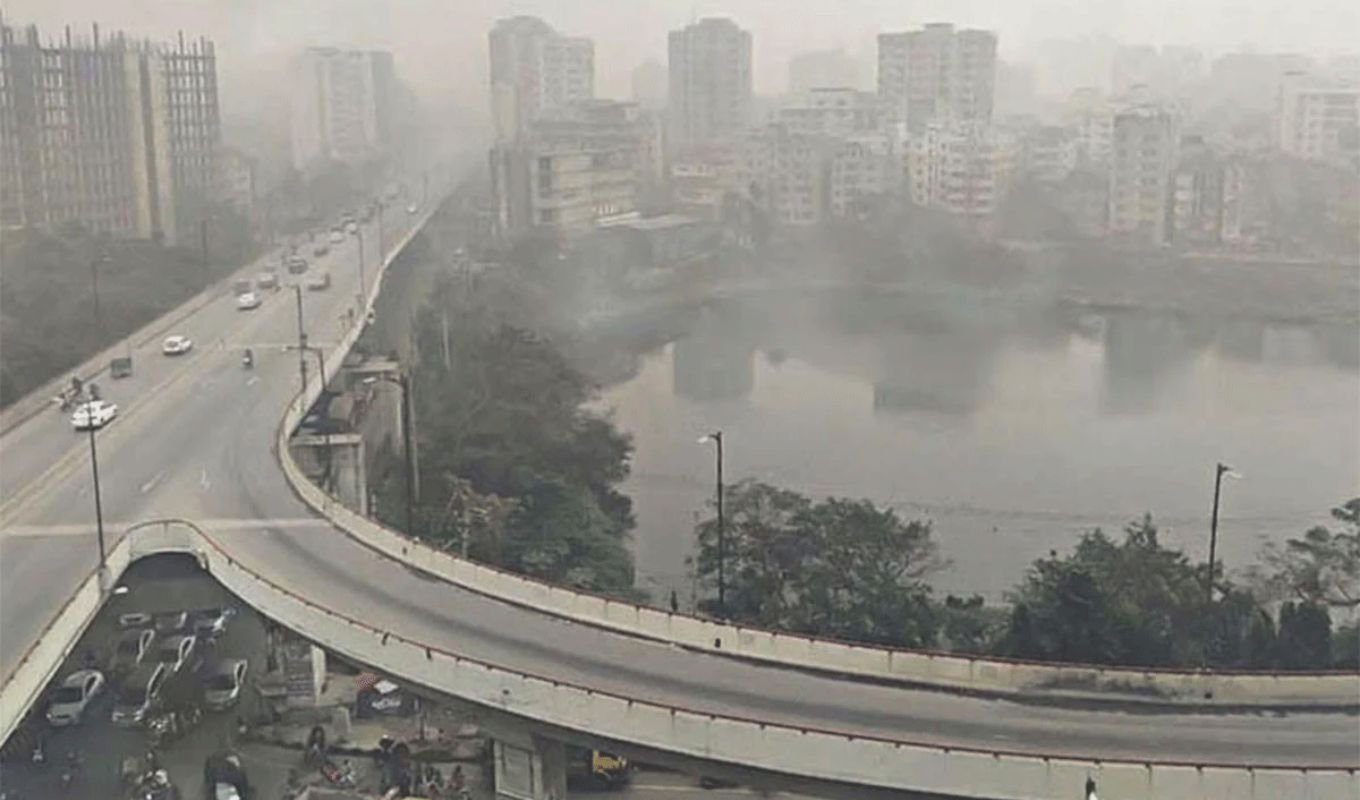
The Bangladesh Meteorological Department (BMD) has announced that the intensity of the cold is likely to increase across the capital, Dhaka, and its neighbouring regions. On Saturday (18 December), the minimum temperature in Dhaka was recorded at 17.6°C at 6:00 am. Despite the temperature being above 17 degrees, the high humidity level of 89% has made the chill feel significantly more piercing. Dense morning fog has also been observed, leading to reduced visibility for early commuters on the city’s roads.
According to the morning weather bulletin, the sky is expected to remain largely clear, and the weather will stay dry for the next six hours starting from 7:00 am. However, the influence of northerly winds will persist. Cold breezes from the west and north-west are expected to blow at speeds ranging between 8 and 12 kilometres per hour. Furthermore, the forecast suggests that daytime temperatures may slightly decline, reducing the gap between day and night temperatures, which will maintain a lingering chill throughout the day.
Meteorologists have noted that the influx of Himalayan winds is also causing a sharp drop in temperatures in the northern districts of the country. This trend is expected to continue into late December, with the possibility of a mild cold wave affecting various regions. Health experts have advised the public, particularly children and the elderly, to take extra precautions against the sudden weather shift. Wearing appropriate winter clothing during the night and early morning is highly recommended to avoid seasonal illnesses.
Doctors have also warned that the dry winter air, combined with increased dust particles in the city, could exacerbate respiratory issues. Maintaining skin hydration and drinking plenty of water is advised during this period. While the sky may remain partially cloudy over the next few days, no rainfall is expected in the immediate future. As the winter flow settles in, the seasonal transition is becoming increasingly evident in the capital’s daily life.
GLIVE/TSN




Comments