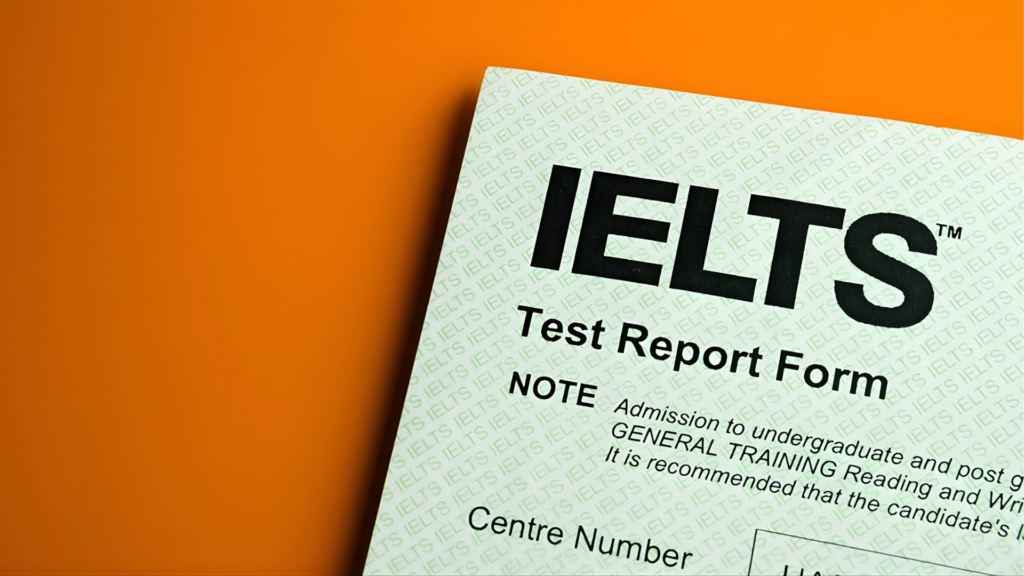
A major controversy has erupted surrounding the International English Language Testing System (IELTS), after British media reported that tens of thousands of candidates across several countries, including Bangladesh, were issued incorrect results due to a significant technical fault. According to an investigative report by The Telegraph, more than 80,000 candidates may have received inaccurate scores, raising serious questions over the integrity of test outcomes used for immigration, employment and university admissions in the United Kingdom.
At the centre of the storm is the allegation that the technical malfunction not only produced incorrect results but also coincided with evidence of question leaks in Bangladesh, China and Vietnam. The report suggests that the breach allowed some candidates who were not actually eligible for UK visas—particularly students, healthcare workers and other migrants—to obtain favourable results that cleared migration requirements.
IELTS is jointly operated by the British Council, Cambridge University Press & Assessment, and the Australian testing and education provider IDP. Each year, more than 3.6 million people globally sit for the examination, making it one of the world’s most influential English-language assessments. However, between August 2023 and September 2025, a large number of candidates were unknowingly issued invalid scores.
IELTS authorities have blamed the issue on what they describe as a “technical error”. According to their statement, only around one per cent of global test results were affected. While this figure may appear small in percentage terms, it amounts to approximately 78,000 incorrect results—an extraordinarily large number considering the importance of the test for global mobility.
The leak has triggered a political reaction in the United Kingdom as well. Members of the Conservative Party have demanded the deportation of migrants who were granted visas on the basis of compromised or inaccurate IELTS scores. They argue that individuals who did not meet the required language standard should not have been allowed to enter the country, especially those working in frontline sectors such as healthcare.
Medical professionals have also voiced concerns. According to the report, many immigrants employed within the National Health Service (NHS) lack sufficient English-language proficiency, which could potentially compromise patient care and overall service quality. Experts warn that language barriers in clinical settings can lead to misunderstanding, misdiagnosis and poor coordination during emergency situations.
IELTS authorities have begun contacting affected candidates to rectify score discrepancies and reissue corrected results. In a recent public statement, they assured the public that restoring accuracy and transparency is their immediate priority. However, the incident has raised broader concerns regarding the security of high-stakes international examinations and the extent to which leaked content can undermine fairness.
The situation has also triggered discussions in Bangladesh, where IELTS remains a critical gateway for overseas education, skilled migration and professional accreditation. The allegation of question leaks has particularly alarmed educators and policymakers, who fear long-term reputational damage for Bangladeshi applicants in global academic and job markets.
As investigations continue, both the British Council and its partner organisations face growing pressure to implement stronger safeguards, enhance digital systems and conduct a thorough review of regional test-centre operations. With thousands of careers and migration processes potentially affected, the scandal underscores the vulnerability of even the world’s most trusted testing systems—and the far-reaching consequences when they fail.