Bangladesh today observes Martyred Intellectuals’ Day, a solemn occasion dedicated to remembering the nation’s brightest minds who were systematically murdered during the final days of the Liberation War in 1971. The day stands as one of the darkest and most painful chapters in the country’s history, marking the deliberate attempt to cripple the newborn nation by eliminating its intellectual backbone.
On 14 December 1971, as defeat became inevitable, the Pakistani occupation forces—assisted by their local collaborators including Al-Badr, Al-Shams and Razakar—launched a calculated campaign of terror. Renowned academicians, doctors, engineers, journalists, artists, teachers and other eminent professionals were dragged from their homes, blindfolded, and taken to unknown locations. There, they were subjected to brutal torture before being mercilessly killed.
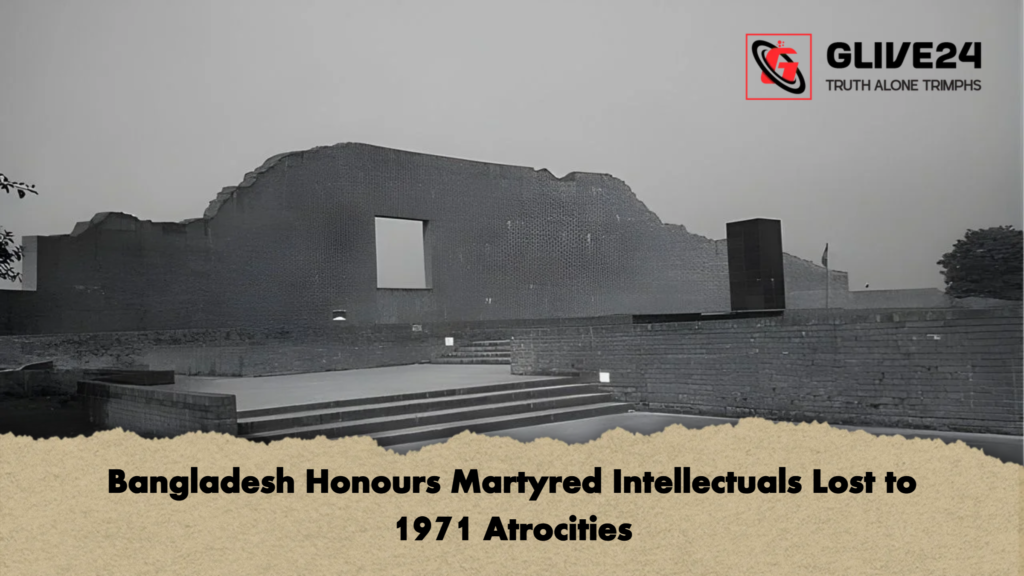
The bodies of many of these intellectuals were later discovered at mass killing sites such as Rayerbazar, Mirpur and other areas of Dhaka. These locations have since become symbols of profound national grief and enduring remembrance. The objective of the perpetrators was chillingly clear: to annihilate the country’s intelligentsia and leave independent Bangladesh intellectually paralysed at birth.
Among the distinguished individuals who fell victim to this atrocity were Professor Munier Chowdhury, Dr Alim Chowdhury, Professor Muniruzzaman, Dr Fazle Rabbi, journalist Sirajuddin Hossain, novelist Shahidullah Kaiser, Professor G C Dev, J C Guha Thakurta, Professor Santosh Bhattacharya and linguist Mofazzal Haider Chowdhury. The journalistic community also suffered grievously, losing figures such as Khandaker Abu Taleb, Nizamuddin Ahmed, S A Mannan (Ladu Bhai), A N M Golam Mustafa, Syed Nazmul Haq and Selina Parvin. Their collective loss remains an irreplaceable wound in the nation’s cultural, academic and moral fabric.
To mark the day, the interim government has drawn up a series of commemorative programmes across the country. Families of the martyred intellectuals, alongside freedom fighters and citizens from all walks of life, are paying tribute at the Martyred Intellectuals Memorial in Rayerbazar and at the Mirpur Martyred Intellectuals’ Graveyard.
Special prayers and munajat are being offered at mosques, temples and churches nationwide, seeking eternal peace for the departed souls. Bangladesh Television and private broadcasters are airing special programmes highlighting the historical significance of the day, while national newspapers have published dedicated supplements reflecting on the lives and contributions of the slain intellectuals.
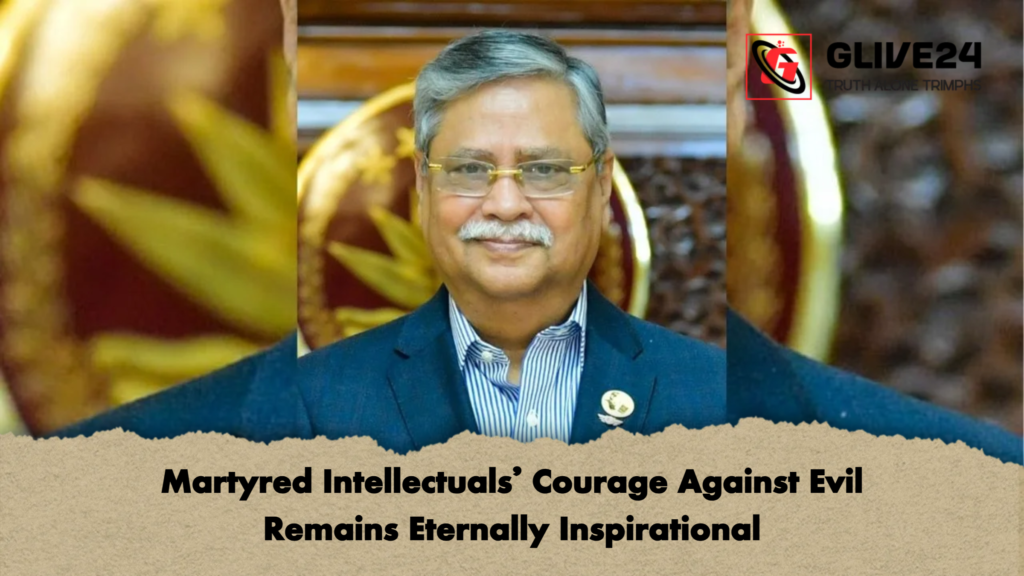
On the eve of the observance, President Mohammed Shahabuddin and Chief Adviser Professor Muhammad Yunus issued separate messages, urging the nation to honour the memory of the martyred intellectuals not only through remembrance, but by upholding the values of free thought, humanism and justice for which they stood.
Martyred Intellectuals’ Day remains both a moment of mourning and a powerful reminder that the strength of Bangladesh lies in preserving the ideals its brightest minds died defending.