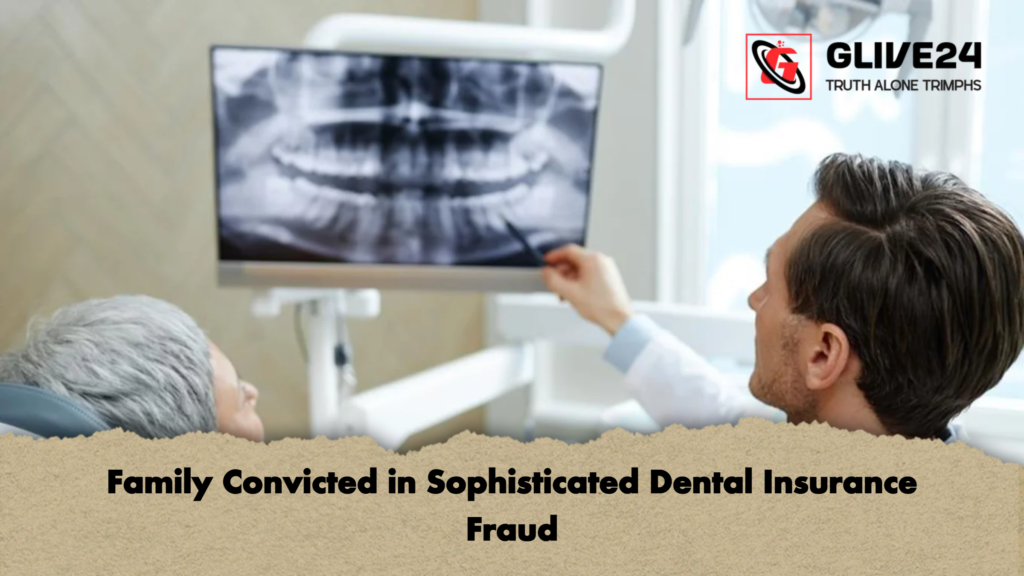
The sentencing of a former dentist and her two children has drawn attention to serious weaknesses in the oversight of dental practices and corporate insurance schemes. The family-run operation, presented outwardly as a legitimate healthcare provider, was in reality a vehicle for sustained insurance fraud directed from behind the scenes.
The case centred on BRL Dentos, trading as Diamond Dental and Medical Clinic, which submitted fraudulent dental treatment claims worth £356,587 over a ten-month period. While only £141,618 was ultimately paid out, investigators stressed that the intent and organisation behind the scheme posed a significant threat to the integrity of the insurance system.
Bozena Rak-Latos, who had been barred from practising dentistry, was found to have remained intimately involved in the clinic’s operations. The court heard that she exploited regulatory gaps, relying on her children to act as the public-facing operators while she exercised control privately.
Her son, a newly registered dentist, became the primary conduit for submitting claims. His rapid engagement in fraudulent activity suggested prior planning rather than professional inexperience. Meanwhile, his sister ensured the administrative machinery continued to function smoothly, enabling the fraud to expand.
Investigators were particularly concerned by evidence showing deliberate attempts to destroy or conceal records once police enquiries began. The replacement of computers and instructions to retrospectively complete treatments indicated clear awareness of wrongdoing.
Although the sentences imposed were suspended, the court acknowledged the seriousness of the offences and the breach of professional trust involved. The judge noted that the defendants had benefited financially while placing the wider insurance system under strain.
Detectives emphasised that healthcare fraud is not merely a financial crime but one that erodes public confidence in medical services. IFED reiterated its commitment to pursuing complex, organised frauds, particularly those involving abuse of professional credentials.
This case has prompted renewed calls for tighter controls on dental clinics, enhanced scrutiny of corporate insurance arrangements and stronger safeguards to prevent struck-off professionals from exerting influence through proxies.
Ultimately, the convictions stand as a reminder that professional knowledge carries ethical responsibilities, and that attempts to exploit trust for personal gain will be met with determined enforcement.