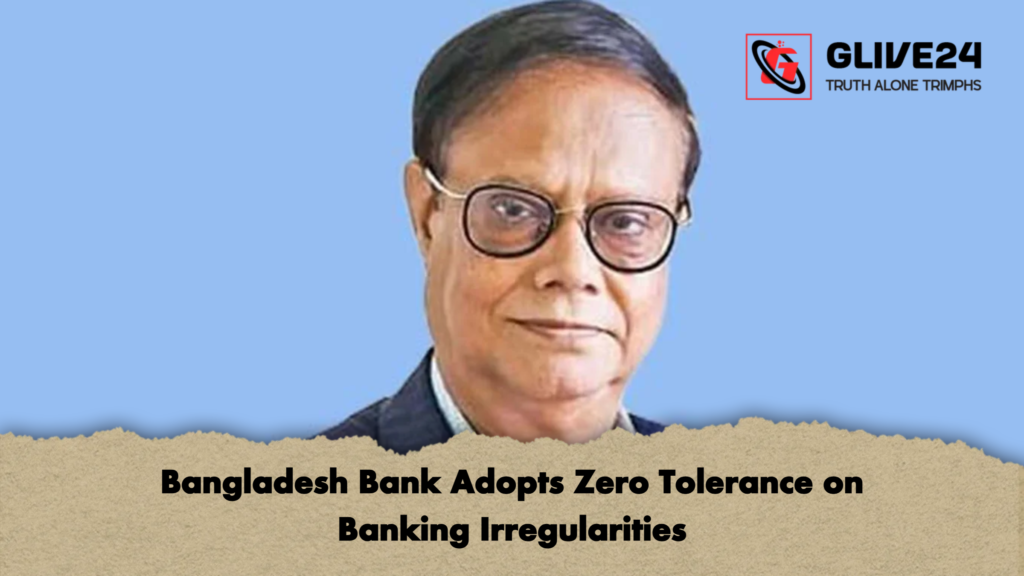
Bangladesh Bank has delivered an unequivocal message of firmness and resolve, signalling a new era of strict oversight aimed at restoring discipline, transparency, and accountability across the country’s banking sector. Governor Dr Ahsan H Mansur has made it clear that the central bank is fully prepared to intervene directly if any bank fails to uphold the principles of sound governance. Mismanagement, irregularities, or negligence that undermine depositors’ interests, he warned, will no longer be tolerated under any circumstances.
The Governor articulated this uncompromising stance on Thursday while addressing a seminar on the banking sector organised by the Economic Reporters Forum (ERF). Speaking as the chief guest, Dr Mansur said Bangladesh Bank is now more proactive, vigilant, and unyielding than ever before in addressing long-standing weaknesses within the financial system. If necessary, he added, the central bank will not hesitate to take tough and sometimes unpopular decisions in order to safeguard stability and public confidence.
A key announcement from the Governor concerned large-scale lending. He revealed that Bangladesh Bank will directly investigate loans exceeding Tk 2 billion. Any evidence of irregular approval processes, weak oversight, poor corporate governance, conflicts of interest, or professional negligence will trigger strict punitive action against those responsible. Dr Mansur stressed that responsibility for a bank’s failure cannot be placed solely on its owners. Officials involved in loan approval, decision-making, and implementation will all be held equally accountable. “Accountability will be enforced from top to bottom,” he said, underlining the central bank’s determination to dismantle the culture of impunity.
Addressing concerns surrounding recently merged banks, the Governor sought to reassure depositors. He announced that depositors of the five merged banks will initially receive protection of up to Tk 200,000. This measure, he explained, is designed to protect ordinary customers and help rebuild public trust in the banking system during a sensitive transition period.
Beyond the banking sector, Dr Mansur offered a cautiously optimistic assessment of the broader economy. Improvements in external transactions, sustained inflows of remittances, and steady growth in export earnings have contributed to a relatively stable economic environment. If these trends continue, he said, Bangladesh’s foreign exchange reserves could reach between USD 34 billion and USD 35 billion by the end of the year, even without additional disbursements from the International Monetary Fund.
The Governor emphasised that comprehensive banking sector reform is essential to strengthening the foundations of the national economy. Bangladesh Bank, he affirmed, will take all necessary measures to rehabilitate weak banks and ensure long-term stability. Depositor protection, financial discipline, and systemic resilience will remain the guiding principles behind every future regulatory decision.
Participants at the seminar, including bankers, economists, and financial analysts, described the Governor’s remarks as timely and decisive. Many expressed the view that this tougher posture by Bangladesh Bank could play a pivotal role in restoring order to the banking sector and rebuilding public confidence in the country’s financial institutions.