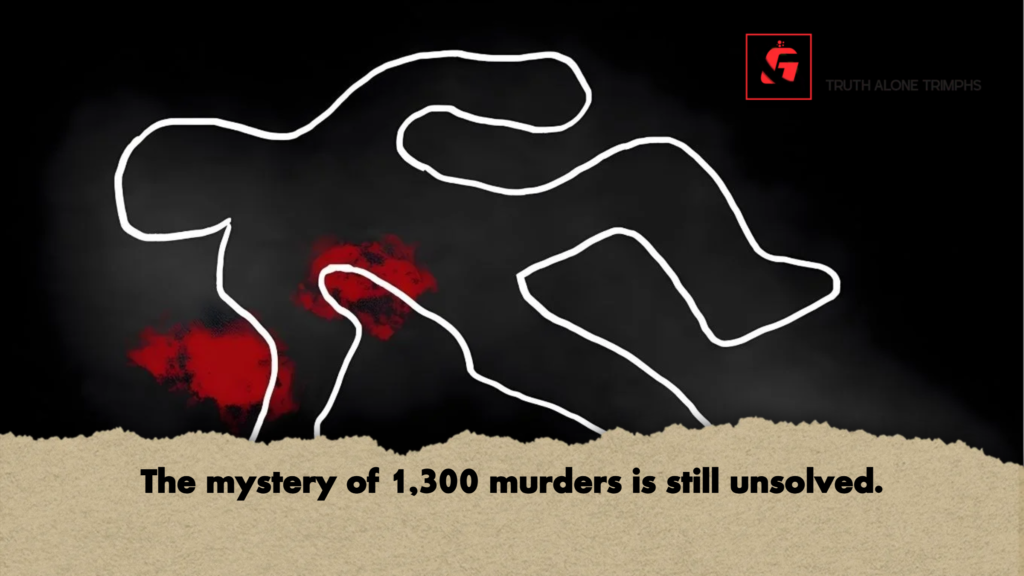
Bangladesh has been haunted by an ongoing wave of unresolved murders, with more than 1,300 cases remaining unsolved over the last decade. Among the most prominent is the 2014 murder of lawyer Fahmida Akter Mithun in her Rampura home, where she was discovered with her hands and feet tied. The absence of witnesses left investigators with few leads, forcing the CID to report to the court that the killers could not be identified.
High-profile killings have left Dhaka residents in fear, yet police and investigative agencies have struggled to solve these cases. Out of more than a dozen sensational murders, only five have seen final reports submitted in court. Nevertheless, the sheer number of unresolved crimes points to systemic inefficiencies and the difficulty of solving murders without solid evidence or witness cooperation.
One such case is the 2013 killing of Miraj Ahmed, younger brother of famed composer Ahmed Imtiaz Bulbul. Found near the railway tracks in Kuril Bishwaroad, Miraj’s murder was initially investigated by the DB before being handed to the CID. The investigation failed to yield results, leading the CID to submit a final report in 2015. Inspector Rezaul Karim, who later became Assistant Superintendent of Police, stated that future investigations could be reopened if new clues emerged.
Similarly, the double murder of Sweeti Akter and her uncle Aminul Islam in Pallabi highlights persistent investigative challenges. Initially managed by the metropolitan DB, the case was transferred to the CID after three years. Inability to identify suspects forced the submission of a final report, and the court later referred it to the PBI for further scrutiny. Officers involved have noted that proper evidence collection from the outset might have led to a breakthrough.
Other unresolved murders include the 2016 killing of housewife Dolly Rani Banik in Mogbazar, the 2012 murder of 12-year-old schoolgirl Tasnim Rahman Korbi in Hazaribagh, and the 2014 killing of television presenter Maulana Nurul Islam Faruqi in Purbaraazbazar. Many of these cases saw multiple changes in lead investigators, with the CID unable to crack them.
Even politically sensitive cases remain unsolved. Abu Bakar Abu, a BNP candidate in the 2018 Jashore-6 election, was found dead in the Buriganga River, but investigations by PBI teams in Dhaka and Jashore have produced no leads.
Families continue to await justice. Afroza Farhana Ahmed, mother of Tasnim Rahman Korbi, expressed her enduring hope: “The CID had the case for five years, yet no breakthrough came. Perhaps it was not my fate. I trust God will ensure justice is served in some way.”
With over 1,300 unsolved murders in just ten years, Bangladesh faces a daunting challenge in providing closure to victims’ families. These cases reveal not only the brutality of the crimes but also the immense difficulties investigators face in tracking down perpetrators in a country struggling with limited resources, witness cooperation issues, and high crime volumes.