
Khabor Wala Desk
Published: 30th December 2025, 4:50 AM
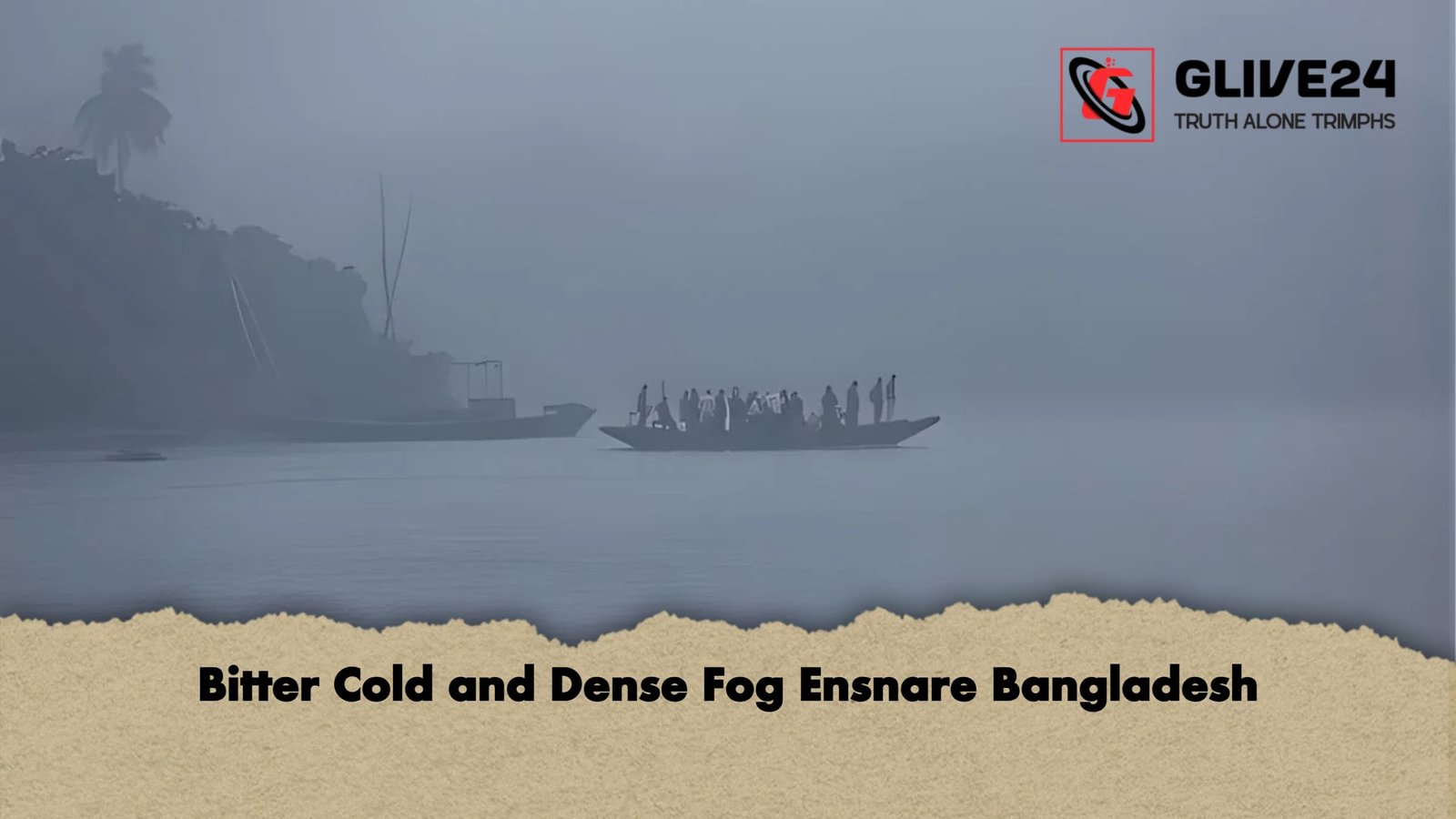
A relentless winter front has tightened its grip across the nation, plunging communities into a state of profound shivering as a thick mantle of fog continues to sever the land from the sun. The mercury fell to a bone-chilling 10°C in the Nikli Upazila of Kishoreganj on Monday, marking the lowest temperature recorded in the country during this current spell. For the agrarian communities of the Haor regions, the timing is particularly devastating; the essential labour of transplanting Boro paddy has been brought to a virtual standstill by the frigid conditions. Elderly residents, some as old as sixty-five, have remarked that they have never encountered such an unforgiving chill in their lifetime, with many describing a sensation of their bodies “freezing solid” as they huddle around tea stalls, unable to brave the outdoors.
This meteorological phenomenon is largely the result of a lack of western low-pressure systems, which typically usher in the winds necessary to disperse heavy mist. In their absence, a stationary “fog blanket” has settled over the landscape, keeping the gap between daytime and nocturnal temperatures dangerously narrow. In northern districts like Panchagarh and along the hilly borders of Sherpur, the situation is exacerbated by biting Himalayan winds and condensation that drips from rooftops like steady rain. This atmospheric blockade has proved catastrophic for the nation’s informal workforce; rickshaw pullers and day labourers are finding it impossible to earn a living, as the numbing cold renders physical work painful and the lack of visibility keeps potential customers indoors.
The escalating climate crisis is rapidly evolving into a public health emergency, with medical centres across the Rajshahi and Meherpur regions reporting a surge in admissions. Hospitals are currently grappling with an influx of patients—primarily infants and the elderly—suffering from acute pneumonia, respiratory distress, and cold-related gastric issues. Prominent medicine specialists have issued warnings regarding “frostbite” in the northernmost belts, where extreme thermal drops can cause blood vessels to constrict so severely that it leads to tissue death. Experts advise that families must prioritise keeping the extremities of vulnerable individuals warm and avoid all unnecessary outdoor activity until the visibility improves and the sun manages to break through the overcast sky.
| District / Upazila | Minimum Temp (°C) | Dominant Weather Condition | Economic & Health Impact |
| Nikli, Kishoreganj | 10.0°C | Severe Cold Wave | Total suspension of farm labour |
| Tetulia, Panchagarh | 12.0°C | Sub-zero Wind Chill | Sunlight obscured for 48+ hours |
| Rajshahi Division | N/A | Damp, Frigid Air | Spike in hospital admissions |
| Meherpur | N/A | Near-Zero Visibility | Transport and trade paralysis |
| Dinajpur Belt | N/A | Extreme Thermal Drop | Risk of frostbite and gangrene |
Looking towards the latter half of the week, the Bangladesh Meteorological Department suggests that the intensity of the fog may finally begin to wane by Thursday. Until then, however, the thick mist remains a significant hazard to aviation, maritime, and road transport, with authorities warning of continued delays and safety risks. As the nation waits for a reprieve, the focus remains on the urgent need for winter relief, with calls for the widespread distribution of warm clothing and blankets to those living in the most exposed regions of the north and the flood-prone Haors.



Comments