
Khabor Wala Desk
Published: 19th January 2026, 6:03 AM
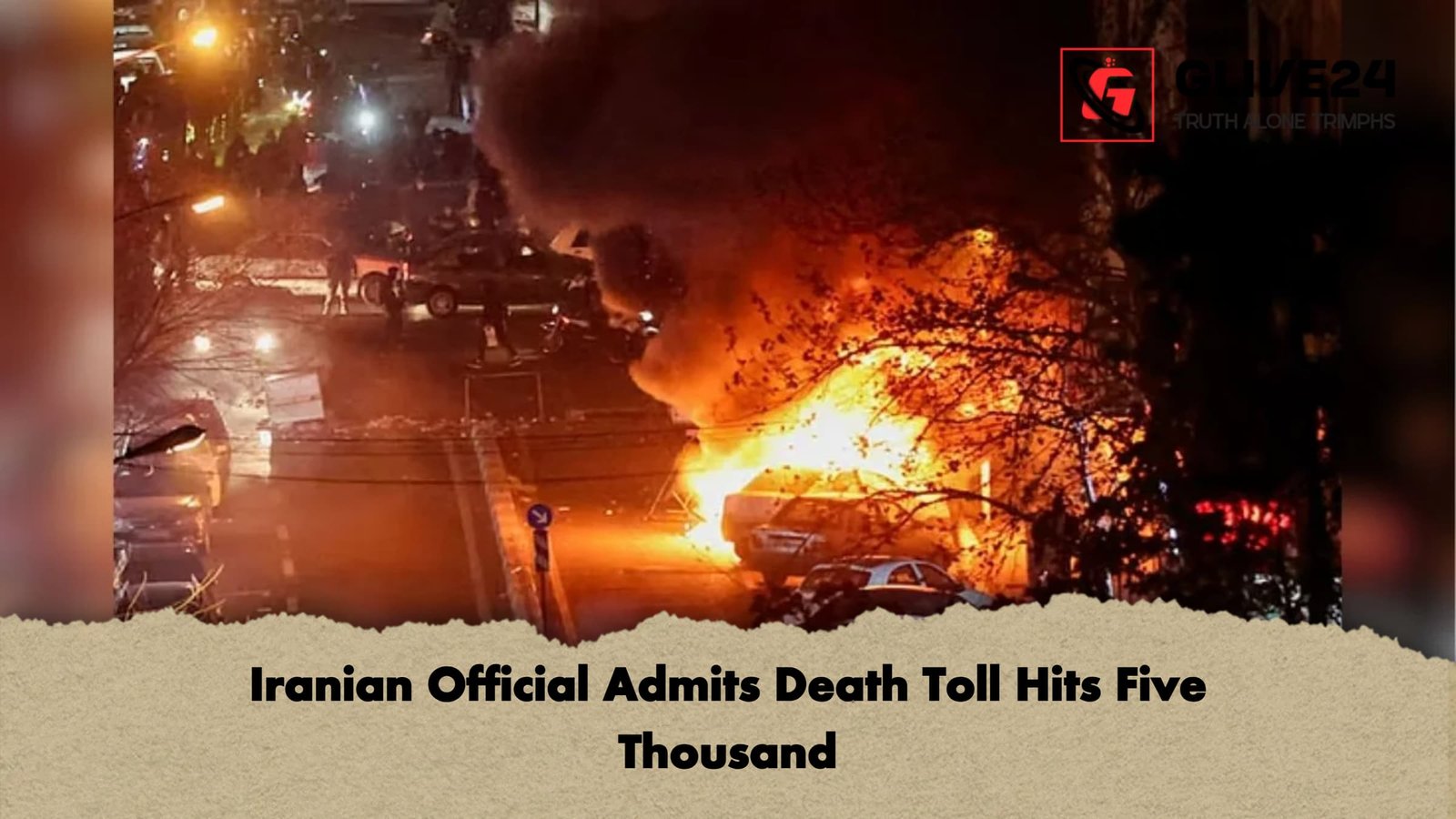
In a rare and grim disclosure, a senior Iranian official has confirmed to Reuters that the recent anti-government uprising has claimed at least 5,000 lives. This internal estimate, which includes approximately 500 security personnel, marks a significant escalation from previous figures and underscores the sheer scale of the violence that has gripped the Islamic Republic since late December.
Table of Contents
The unrest, which was initially sparked on 28 December by economic hardship, rapidly morphed into a nationwide demand for regime change. As the state moved to quell the dissent, an internet blackout was imposed on 8 January, effectively creating an information vacuum. During this period of digital isolation, security forces were deployed in force, leading to what is now being described as the bloodiest chapter in recent Iranian history.
The official, who requested anonymity, noted that the north-western Kurdish regions were the epicentre of the most lethal confrontations. While the 5,000 figure is a staggering admission, the official stated they “hope” the final death toll will not climb much further beyond this threshold.
The table below juxtaposes the figures provided by the Iranian state with data from the US-based Human Rights Activists News Agency (HRANA).
| Metric | Official Iranian Data | HRANA (Confirmed) | HRANA (Under Investigation) |
| Total Deaths | 5,000 | 3,308 | 4,382 |
| Security Fatalities | ~500 | Unspecified | N/A |
| Total Arrests | “Thousands” | 24,000+ | N/A |
| Primary Conflict Zone | Kurdish Regions | Sistan & Baluchistan | Various Urban Centres |
Tehran continues to maintain that the violence was orchestrated by “foreign criminals” and “armed rioters.” Ayatollah Ali Khamenei, Iran’s Supreme Leader, explicitly blamed the United States and Israel for the casualties, labelling US President Donald Trump a “criminal.”
In a retaliatory interview with Politico, President Trump countered that after nearly four decades of rule, it was “time for Iran to seek a new leader.” He accused the clerical establishment of destroying the nation through unprecedented violence. Despite his harsh rhetoric, Trump had recently offered a surprising “thank you” to Tehran, claiming they had ceased executions—a sentiment that now seems at odds with the newly released casualty figures.
While the streets have reportedly quietened since 12 January, the legal crackdown has only intensified. State media has highlighted the arrest of “ringleaders,” such as Nazanin Baradaran, accusing her of operating under Reza Pahlavi, the exiled son of the late Shah.
While Pahlavi remains a focal point for the opposition in exile, his domestic standing remains a point of contention. Even President Trump expressed doubt regarding Pahlavi’s actual support base within Iran, despite the former royal’s desire to lead a transition government. With over 24,000 citizens currently in detention, the international community remains deeply concerned about the judicial processes awaiting those captured in the wake of the protests.

Comments