Khabor Wala Desk
Published: 27th January 2026, 8:04 PM
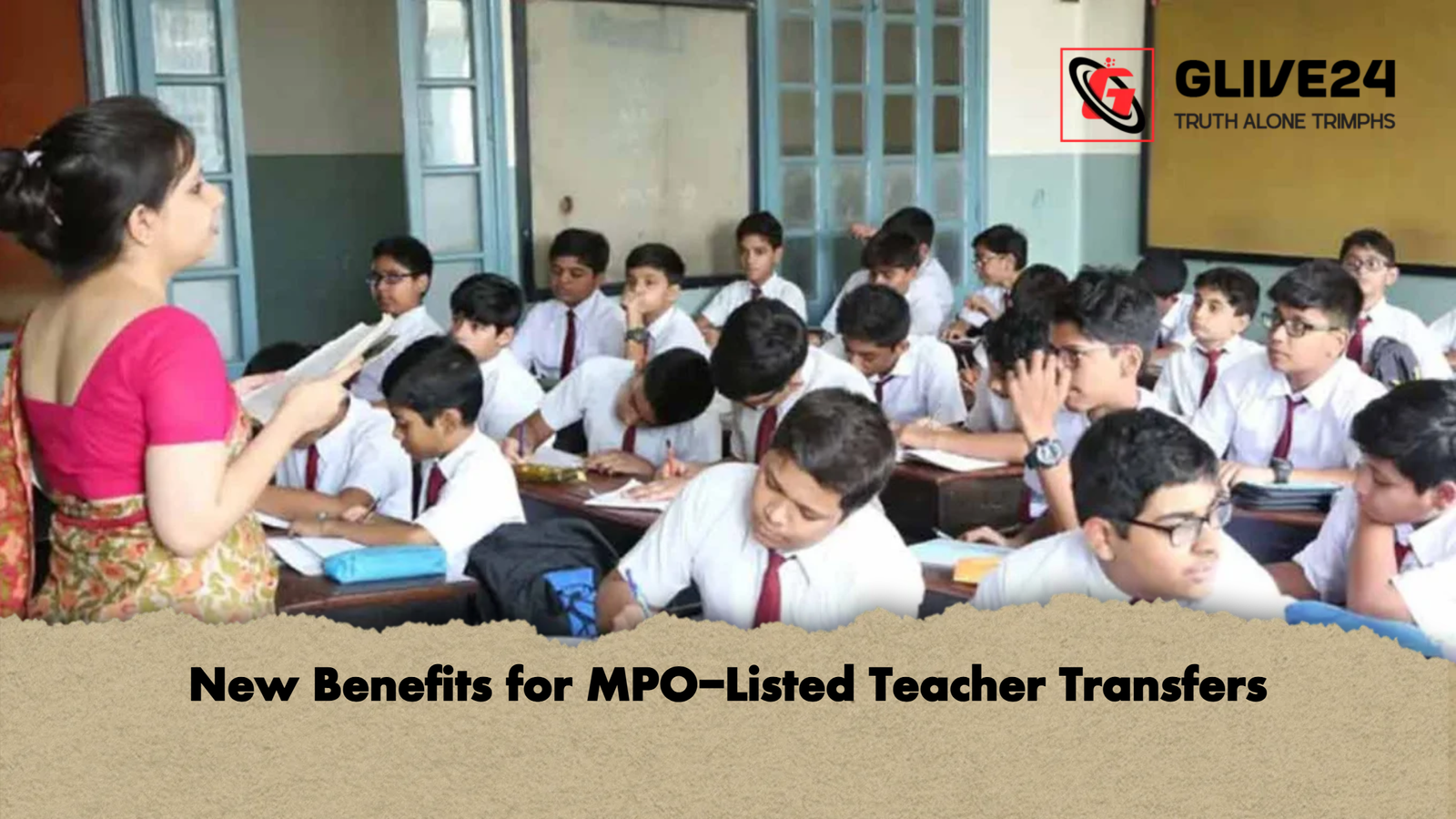
The Ministry of Education has unveiled the ‘MPO Teacher Transfer Policy 2026’ for teachers employed in private schools and colleges, aiming to reduce the hardships faced by MPO-listed teachers and facilitate job placements closer to their homes. The revised policy was officially issued on Tuesday, 27 January, under the signature of Rehana Parveen, Secretary of the Secondary and Higher Education Division.
The standout feature of the new policy is its transparency. The Ministry has emphasised that the entire transfer process will now be conducted through automated software, eliminating the need for teachers to approach influential authorities or engage in prolonged lobbying. From the date of issuance, the policy is deemed effective immediately.
Prioritising Teachers’ Preferences
The new policy places significant importance on the personal and familial circumstances of teachers. Applicants will initially be able to request transfers within their own district, ensuring proximity to family and reducing travel-related challenges. Should there be no vacancies within the home district, teachers may then apply for transfers to any district within their administrative division.
A particularly humanitarian provision, outlined under Clause 3.8(g), allows teachers to request transfers to the district where their spouse is employed. This change is expected to bring relief to thousands of separated families, ensuring that couples can now work in the same locality.
Eligibility and Application Criteria
| Condition | Details |
|---|---|
| Minimum Service Requirement | Teachers must have completed at least two years at their current post before being eligible to apply for a transfer. |
| Subsequent Transfers | Following a successful transfer, a teacher must serve at the new posting for at least two years before applying for another transfer. |
| Vacancy Publication | The Directorate of Secondary and Higher Education (DSHE) will publish institution-wise vacancy lists online at specified intervals. Applications will be accepted only against these official lists. |
Implications and Benefits
Experts note that the automated process will not only enhance transparency but also reduce administrative bottlenecks, promoting equity and fairness in the transfer system. The inclusion of family-oriented provisions is likely to improve the overall well-being and morale of teachers, thereby positively influencing the quality of education in private institutions.
The policy is expected to significantly alleviate stress for thousands of MPO-listed teachers nationwide, allowing them to live closer to family and balance professional responsibilities more effectively. The Ministry’s initiative marks a crucial step towards modernising teacher management and fostering a more supportive working environment in Bangladesh’s private education sector.
Comments