
Khabor Wala Desk
Published: 31st January 2026, 10:12 AM
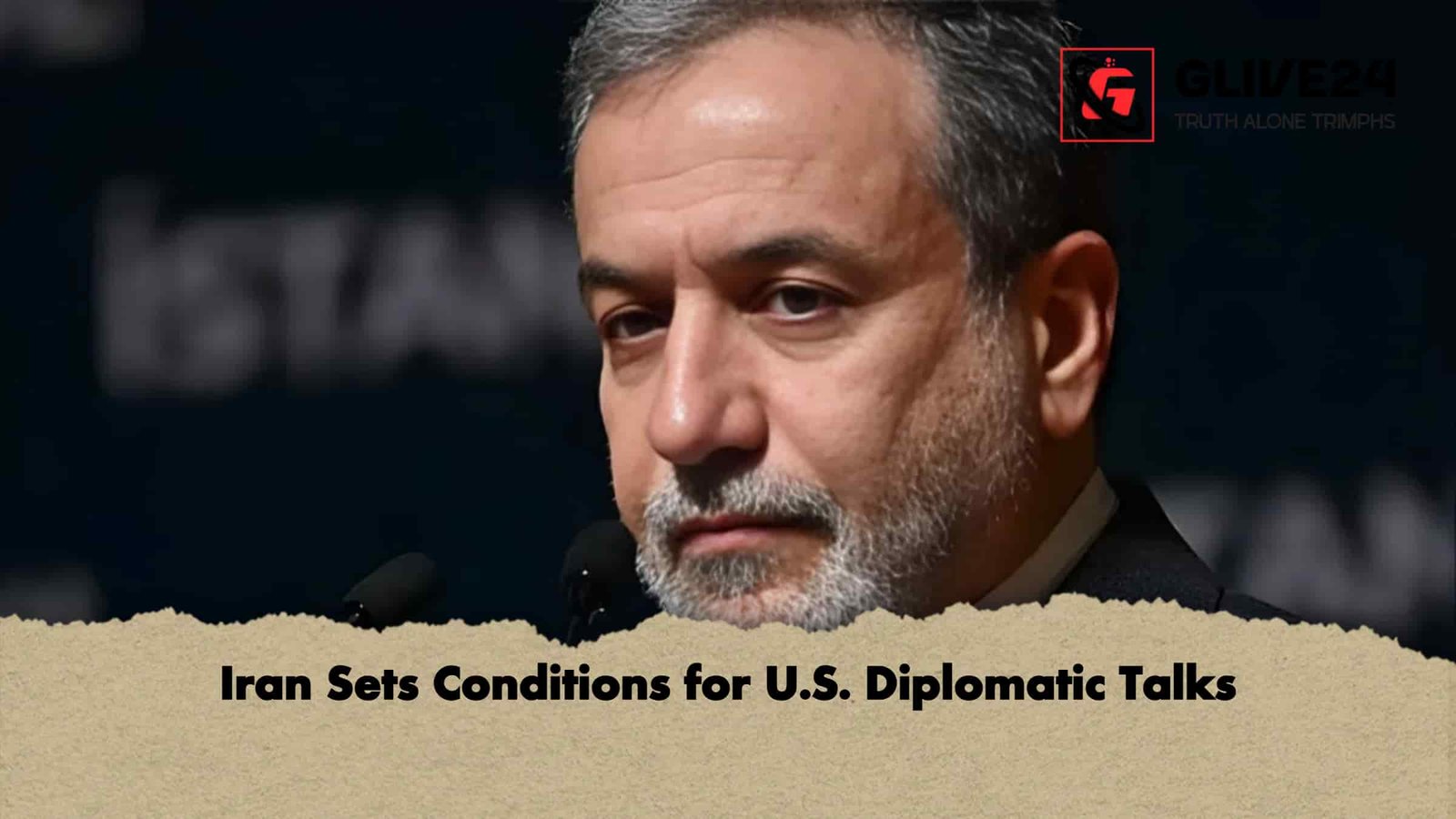
Iran has reiterated its willingness to engage in diplomatic talks with the United States, but it has set strict conditions, insisting that any dialogue must occur in a “fair, coordinated, and respectful” environment. During an official visit to Turkey, Iranian Foreign Minister Abbas Araghchi emphasised that negotiations conducted under military threats, coercion, or intimidation would be unacceptable. He argued that meaningful diplomacy can only be achieved on the basis of mutual respect and equality.
Speaking to journalists on Friday, Araghchi described dialogue as a cornerstone of Iran’s diplomatic policy. He stated that Tehran holds no principled objection to either bilateral or multilateral negotiations and views diplomacy as the most effective mechanism for resolving international disputes. However, he cautioned that Iran would not participate in discussions conducted under the shadow of threats or pressure.
At a joint press conference in Ankara with his Turkish counterpart Hakan Fidan, Araghchi clarified that Iran’s defence and missile capabilities are non-negotiable. “Ensuring national security is a fundamental responsibility of the state,” he said, “and Iran will continue to maintain and develop its defence capabilities in line with this duty.”
These remarks come amid rising tensions between Tehran and Washington. While U.S. President Donald Trump has not ruled out the possibility of military action against Iran, he has simultaneously expressed a preference for resolving disputes through dialogue.
The current context of Iran–U.S. relations is summarised below:
| Issue | Key Details |
|---|---|
| Iran’s conditions for dialogue | Negotiations acceptable only on the basis of equality and fairness |
| Non-negotiable matters | Defence and missile capabilities |
| U.S. position | Maintaining potential military pressure while engaging in talks |
| Nuclear deal status | U.S. unilaterally withdrew in 2018 |
| Regional mediation | Initiatives led by Turkey and other Middle Eastern countries |
Since the United States’ unilateral withdrawal from the 2015 nuclear deal in 2018, mutual distrust between the two countries has intensified. Washington demands a complete cessation of Iran’s uranium enrichment activities, while Tehran continues to assert that its nuclear programme is entirely peaceful and not intended for weaponisation.
Meanwhile, key regional actors—including Turkey, the United Arab Emirates, and Saudi Arabia—have taken steps to reduce diplomatic tensions between the two sides. Analysts suggest that despite the hardline rhetoric, sustained dialogue remains the most realistic avenue for de-escalating the growing strain in U.S.–Iran relations.



Comments