
Khabor Wala Desk
Published: 2nd February 2026, 3:49 AM
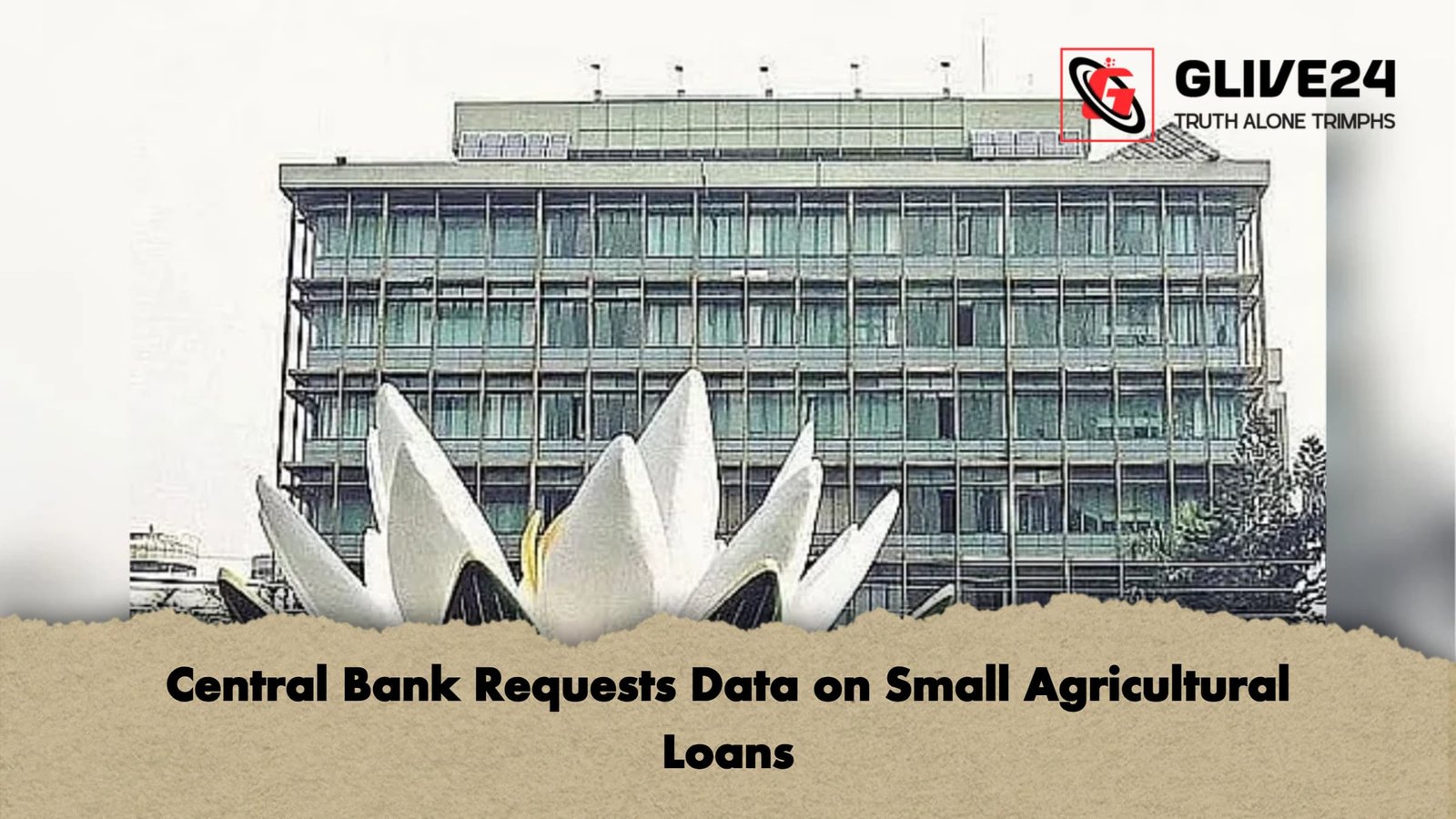
A significant internal rift has surfaced within Bangladesh Bank (BB) following a clandestine directive to commercial banks regarding micro-agricultural loans. The central bank has demanded immediate data on all agricultural and rural credit accounts with an outstanding balance of 10,000 BDT (£62) or less. Curiously, this mandate was issued without the knowledge of the Governor, Ahsan H. Mansur, raising serious questions about administrative transparency and political neutrality within the country’s highest financial regulator.
The request, dispatched via email after office hours on Thursday, 29 January, bypasses standard central bank protocols. Typically, data requests are vetted through a rigorous hierarchy involving Executive Directors and Deputy Governors. In this instance, the Agricultural Credit Department (ACD) acted on the “urgent direction” of a specific board member, identified by insiders as Professor Rashed Al Mahmud Titumir.
Professor Titumir, a Dhaka University academic and chairperson of Unnayan Onneshan, reportedly requested the principal, interest, and total outstanding figures as of 31 December 2025. When approached by the press, Governor Mansur admitted to being entirely in the dark, stating, “I am not aware whether banks were asked for such data; I will look into the matter.”
The banking sector has reacted with alarm. Managing Directors (MDs) of several commercial and state-owned banks have voiced fears that this data collection is a precursor to a mass loan waiver. Such a move, they argue, would be catastrophic for the banking sector’s liquidity and moral hazard.
| Bank Sector Impact | Estimated Figures | Primary Concern |
| State-Owned Banks | ~30,000 borrowers per branch | Capital erosion of depositors’ funds. |
| Private Banks | Approx. 50 crore BDT outstanding | Disruption of credit discipline. |
| Marginal Farmers | Loans ≤ 10,000 BDT | Potential for political patronage. |
An MD of a state-owned bank highlighted the gravity of the situation: “We already struggle with repayments. If a political decision is imposed to waive these loans, it will be impossible to recover. These are depositors’ funds; they cannot be written off arbitrarily.”
The timing of this “unprofessional” request has not gone unnoticed. Since the political shifts of 5 August, critics have accused the central bank of demonstrating a bias toward specific political agendas. One first-generation private bank MD remarked that the practice of dangling loan waivers ignores the need for sustainable agricultural subsidies and instead fosters a culture of non-repayment that could cripple the financial system.
As the Sunday noon deadline for data submission passes, all eyes remain on the Governor to see if he will rescind the order or if the board will push through a policy that many fear is more about political optics than economic viability.




Comments