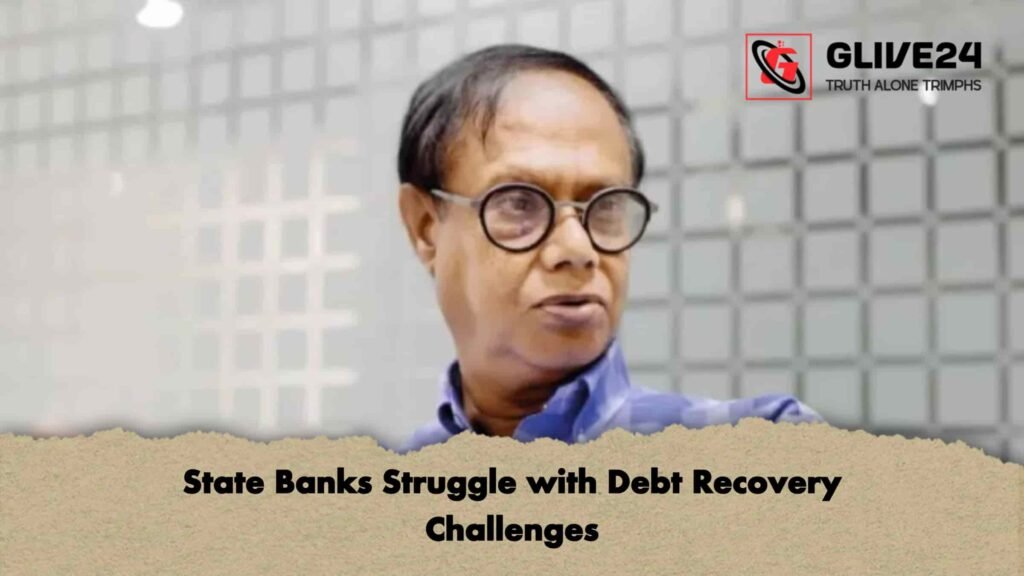
State-owned commercial banks in Bangladesh are capable of lending, yet continue to face significant challenges in recovering loans, Bangladesh Bank Governor Dr Ahsan H. Mansur has observed.
Addressing the Sonali Bank Annual Conference 2026 at the International Convention City Bashundhara (ICCB) on Monday, 2 February, Dr Mansur highlighted structural constraints that limit the operational efficiency of public banks. “When loans are extended to the right borrowers, the rate of default falls. Nevertheless, state banks operate under various regulatory restrictions, which necessitate caution in lending. In practice, they have the capacity to lend, but recovering these loans remains complex,” he said, noting that such limitations have been evident long before 2000.
Dr Mansur emphasised that banks must channel deposits into productive sectors of the economy to generate tangible outcomes. While Sonali Bank currently exercises caution in its lending practices, he stressed that targeted investment in specific sectors could further stimulate economic activity.
He also pointed to the underutilised potential of consumer lending. “In other countries, consumer credit is a major segment, yet state-owned banks in Bangladesh contribute minimally. Housing finance exists but remains limited. There is considerable room for expansion in consumer loans,” he noted.
Regarding Sonali Bank’s commercial operations, the governor remarked, “It currently operates partially as a commercial lead bank. Transitioning it into a fully commercial bank and ensuring profitability is essential.”
Reflecting on the bank’s performance last year, he shared the following indicators:
| Banking Indicator | Figures / Notes |
|---|---|
| Profit Last Year | Supported capital shortfall coverage |
| Non-Performing Loan (NPL) | Reduced from 18%; further decline anticipated |
| Loan Distribution | Limited; requires expansion |
Dr Mansur added that the government could allow Sonali Bank to operate independently as a commercial lead bank, provided that future administrations uphold this policy. He underscored the bank’s potential role in supporting remittance flows and export sectors.
Concluding his address, he stressed the importance of prudent lending, particularly to rural entrepreneurs and small and medium enterprises (SMEs). “Identifying reliable grassroots entrepreneurs and providing targeted support to SMEs is critical for effective banking and sustainable economic growth,” he said.