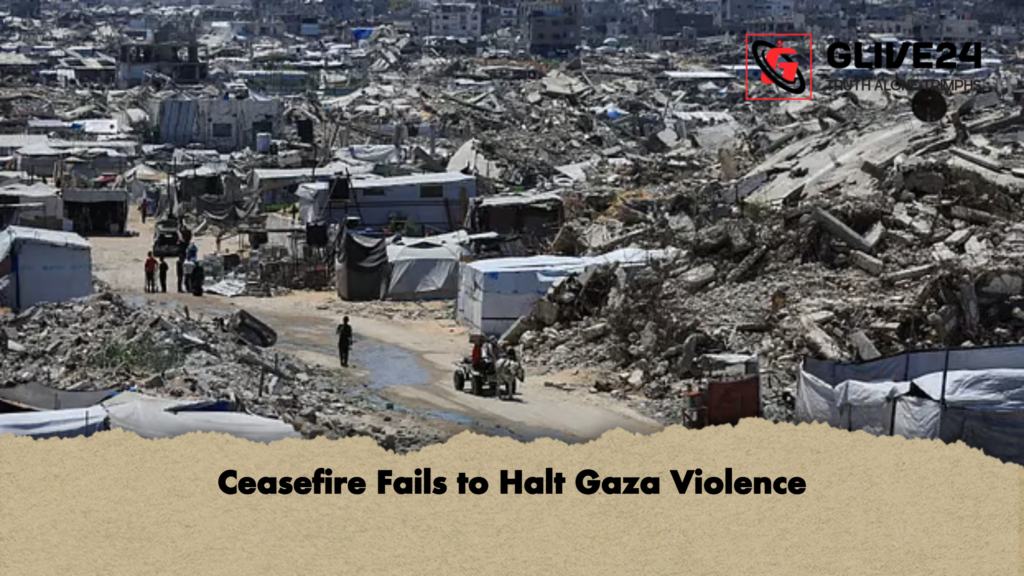
Despite the existence of a fragile ceasefire agreement, Israeli military operations in Gaza have continued, resulting in more than one thousand deaths since the truce came into effect last October. The humanitarian situation across the besieged territory remains severe, with critical infrastructure still under immense strain.
According to a statement issued on Wednesday by the Hamas-run Gaza Health Ministry, a total of 1,005 people have been killed in various attacks since the ceasefire was declared in October. The ministry’s figures indicate that the reduction in large-scale hostilities has not prevented continued fatalities on the ground.
The ceasefire, agreed between Hamas and Israel, was intended to bring an end to sustained fighting that had escalated dramatically in the preceding months. However, although it has reduced the intensity of full-scale warfare, it has not led to a comprehensive political or security settlement between the two sides. Key provisions reportedly linked to the next phase of the agreement—including Israeli military withdrawal from Gaza and discussions on the disarmament of Hamas—remain unresolved.
Speaking on behalf of the humanitarian community, Fikri Shaltut, Gaza Director for the UK-based charity Medical Aid for Palestinians, described the ongoing situation as deeply concerning. He stated: “Gaza has reached another tragic milestone. Thousands of people were told the worst was over, yet they continue to bury their loved ones.” His remarks reflect continued concern among aid organisations about persistent insecurity despite the formal truce.
Reports also suggest that Israeli military activity has intermittently continued across different areas of the Gaza Strip since the ceasefire began. It is claimed that approximately 64 per cent of the territory is currently under Israeli control, although this figure reflects prevailing assessments rather than an internationally verified consensus.
Tensions remain high regarding the implementation of the ceasefire’s longer-term provisions. Earlier this month, Hamas political bureau member Husam Badran stated in an interview with Al Jazeera that the group would not agree to immediate disarmament. He added that the future of its weapons arsenal would be decided only after consultations with other Palestinian factions, underscoring the absence of agreement on core security arrangements.
At the same time, expectations had existed that the ceasefire could facilitate the beginning of reconstruction efforts, particularly in Gaza’s heavily damaged health sector. However, conditions remain extremely fragile. According to the United Nations Office for the Coordination of Humanitarian Affairs (OCHA), out of 37 hospitals across the Gaza Strip, only 20 are partially operational, and none are functioning at full capacity.
The broader human toll of the conflict remains severe. Official figures from Gaza indicate that since Israel launched a full-scale military campaign on 23 October 2023, more than 73,000 people have been killed. In addition, extensive destruction has left much of the territory in ruins, while approximately 1.9 million residents have been displaced from their homes.
Key figures in Gaza situation
| Indicator | Reported figure |
|---|---|
| Deaths since ceasefire (Oct onward) | 1,005 |
| Total deaths since 23 Oct 2023 | 73,000+ |
| Hospitals in Gaza | 37 |
| Partially functioning hospitals | 20 |
| Fully functioning hospitals | 0 |
| Displaced population | ~1.9 million |
| Reported area under Israeli control | ~64% |
Despite the cessation of full-scale warfare under the ceasefire framework, the situation in Gaza continues to be marked by insecurity, limited medical capacity, and unresolved political and military disagreements between the parties involved.