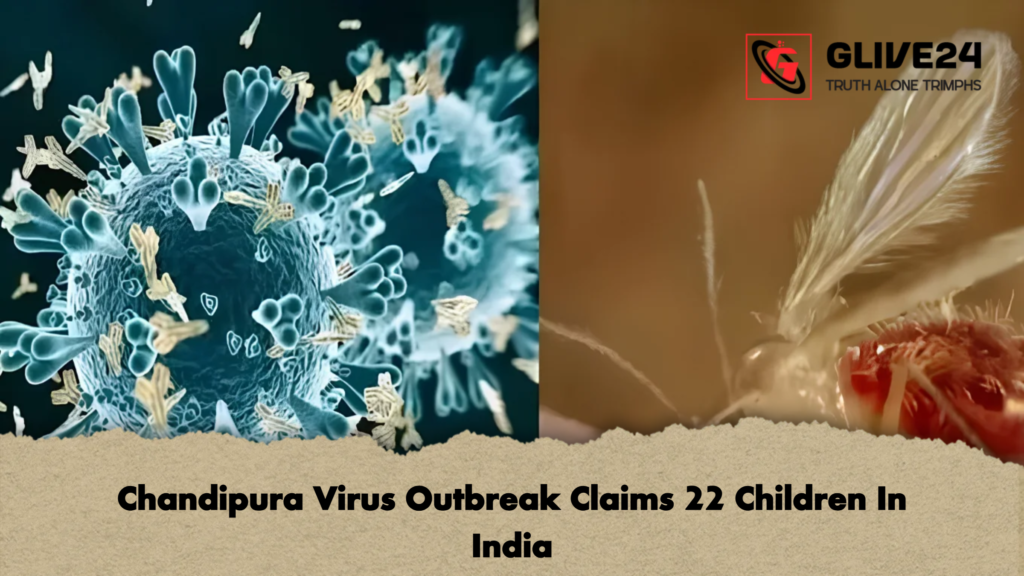
At least 22 children have died in India following an outbreak of the Chandipura virus, a pathogen known to cause inflammation of the brain and severe neurological complications. In response to the growing health concern, the Indian government has deployed National Response Teams (NRTs) to the affected states of Gujarat and Rajasthan to assist local authorities in controlling the spread of the infection.
India’s Ministry of Health said in a statement on Wednesday (5 August) that teams comprising medical experts and specialists would work alongside state health officials to strengthen disease surveillance, support treatment efforts and improve public health measures in affected areas.
The Chandipura virus has emerged as a particular concern because of its severe impact on children. According to the World Health Organisation, the virus is generally transmitted through vectors such as sandflies, mosquitoes and other insects, with cases often increasing during the monsoon season. In children, infection can lead to encephalitis, or inflammation of the brain, which may progress rapidly and become life-threatening.
Gujarat has reported the highest number of suspected and confirmed cases during the current outbreak. Gujarat Health Minister Praful Pansheriya said that 184 blood samples have been tested so far, with 35 people found to have evidence of Chandipura virus infection.
Health officials in the state have intensified monitoring in vulnerable areas and are focusing on early detection of symptoms to prevent further fatalities. Medical teams are also working to identify suspected cases and ensure that affected children receive immediate medical attention.
Neighbouring Rajasthan has also reported deaths linked to the virus. Two people reportedly died from Chandipura virus infection in the state last month, prompting authorities to increase surveillance and preventive measures in districts considered at risk.
Authorities have launched several measures to contain the outbreak, including strengthening field-level monitoring, increasing public awareness campaigns and controlling mosquito and other insect populations that may contribute to transmission. Health workers are visiting affected communities to educate residents about preventive steps and the warning signs of infection.
Medical experts have urged parents and caregivers to remain alert, particularly during the monsoon period. They have advised seeking immediate medical attention if children develop symptoms such as high fever, seizures, unusual behaviour, extreme weakness or other signs of neurological distress.
Chandipura virus is not a newly discovered disease in India. Previous outbreaks have also raised concerns because of the rapid progression of illness among children and the high risk of fatal outcomes in severe cases. Health authorities are continuing to monitor the situation closely and are coordinating efforts between central and state agencies to limit the impact of the current outbreak.