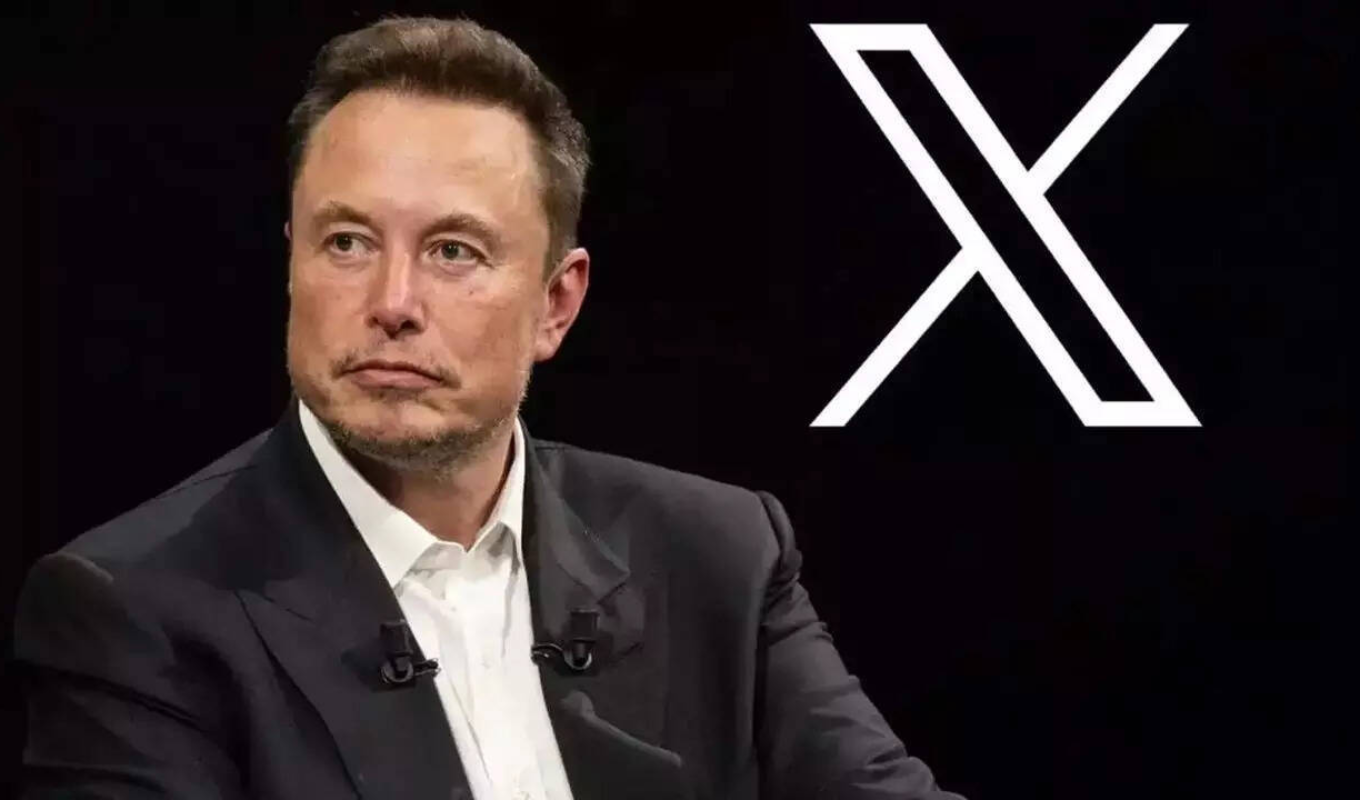
Elon Musk has sparked controversy by calling for the abolition of the European Union, following a major financial penalty imposed on his social media platform X by EU regulators. The remarks, delivered on Saturday via posts to his more than 230 million followers, came just one day after European authorities announced a landmark fine against the company under the bloc’s new digital rules.
On Friday, the European Commission fined X €120 million (approximately $140 million) for breaching provisions of the Digital Services Act (DSA), legislation designed to hold large online platforms accountable for transparency, user protection and responsible content governance. The decision marked the first sanction issued by the Commission under the DSA specifically related to platform content and transparency obligations, making it a significant test of the EU’s regulatory resolve.
Reacting publicly, Musk used X to argue that sovereignty should be returned to individual European nations, claiming that national governments would be better placed to serve their citizens without what he described as excessive centralised control. When another user reposted his comments, Musk replied that he “meant it seriously”. In subsequent posts, he sought to temper the tone slightly, writing that he loved Europe as a continent but opposed what he characterised as the EU’s bureaucratic structure.
The ruling against X drew swift criticism from the administration of US President Donald Trump, which described the fine as an overreach by European regulators. Trump and Musk had previously worked closely together on controversial initiatives aimed at cutting public expenditure and reducing the size of the federal workforce, although their cooperation later collapsed amid political and personal differences.
According to the European Commission, X was found to have violated several key transparency requirements under the DSA. Regulators said the platform’s use of the blue checkmark for “verified” accounts was misleading, as it no longer reliably indicated identity verification. The Commission also cited X’s failure to provide approved researchers with adequate access to public data, a requirement intended to allow independent scrutiny of systemic risks such as disinformation and harmful content.
In addition, the Commission said X did not meet transparency standards in relation to advertising, particularly in explaining how adverts are targeted and displayed to users.
Key Points of the EU Decision
| Issue Identified | Commission’s Finding |
|---|---|
| Blue checkmark system | Deceptive and misleading |
| Researcher access | Insufficient access to public data |
| Advertising transparency | Lacked clarity and disclosure |
| Legal basis | Digital Services Act |
| Fine imposed | €120 million |
EU officials stressed that the decision was not politically motivated but rooted firmly in law. “All platforms operating in the EU must respect our rules, regardless of size or ownership,” a Commission spokesperson said, adding that enforcement of the DSA is essential to protecting democratic discourse and consumer rights.
Musk’s comments have intensified debate over the balance between national sovereignty, free expression and supranational regulation in the digital age. Supporters argue that the EU’s regulatory framework is necessary to curb the power of global technology firms, while critics warn that heavy-handed enforcement risks stifling innovation and free speech.
As appeals are widely expected, the clash between Musk and EU regulators is likely to become a defining moment in the evolving relationship between global tech companies and Europe’s expanding digital rulebook.