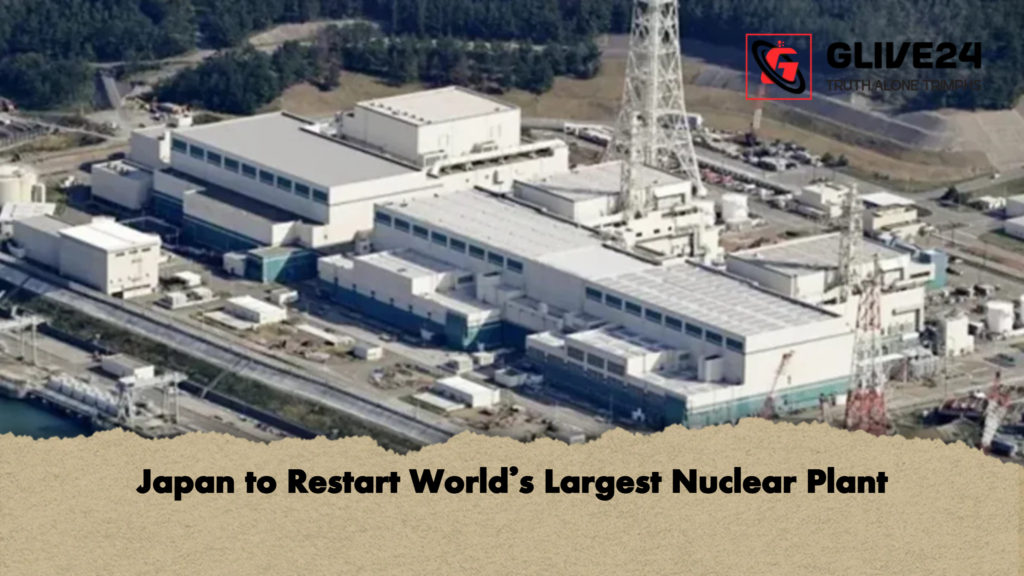
Japan is set to restart the world’s largest nuclear power station on 9 February, marking another cautious step in the country’s long and politically sensitive return to nuclear energy following the Fukushima disaster of 2011. The Kashiwazaki–Kariwa nuclear power plant, operated by Tokyo Electric Power Company (TEPCO), had its restart preparations briefly suspended after a minor alarm-related fault was detected, according to reports cited by Agence France-Presse.
The plant’s director, Takeyuki Inagaki, told a press conference on Friday that the issue had been fully examined and resolved, clearing the way for operations to resume as planned. He explained that the problem was linked to an alarm setting configuration and stressed that it had no impact whatsoever on the facility’s safety systems or on the safe operation of the reactor itself. As a precaution, however, the restart process was halted to allow engineers to verify the cause and ensure full compliance with Japan’s stringent post-Fukushima safety standards.
The temporary suspension occurred last month in Niigata Prefecture, where Kashiwazaki–Kariwa is located, only a few hours after work had begun to bring one of the reactors back online. Such caution reflects the heightened regulatory and public scrutiny surrounding nuclear energy in Japan, where trust in the sector was profoundly shaken by the events of March 2011.
That year, a massive earthquake followed by a devastating tsunami struck northeastern Japan, triggering meltdowns in three reactors at the Fukushima Daiichi nuclear power plant. In the aftermath, Japan shut down nearly all of its nuclear reactors and embarked on a comprehensive overhaul of nuclear regulation, introducing tougher safety requirements and establishing a new, more independent regulatory authority. Kashiwazaki–Kariwa, despite being the largest nuclear facility in the world by installed capacity, remained offline throughout this period.
The planned restart is significant not only because of the plant’s scale but also because of Japan’s broader energy challenges. As an island nation with limited natural resources, Japan relies heavily on imported fossil fuels. Rising energy costs, energy security concerns, and commitments to reduce carbon emissions have all strengthened the government’s case for reintroducing nuclear power as part of the national energy mix.
Kashiwazaki–Kariwa consists of seven reactors with a combined generating capacity of nearly 8,000 megawatts, making it a cornerstone of Japan’s electricity infrastructure once fully operational. While local opposition and regulatory hurdles remain, the restart is widely seen as a test case for the future of nuclear power in Japan.
Key facts about Kashiwazaki–Kariwa Nuclear Power Plant
| Item | Details |
|---|---|
| Location | Niigata Prefecture, Japan |
| Operator | Tokyo Electric Power Company (TEPCO) |
| Number of reactors | 7 |
| Total generating capacity | Approximately 7,965 MW |
| Year operations halted | 2011 |
| Planned restart date | 9 February |
The coming restart will therefore be closely watched, both domestically and internationally, as Japan balances public safety concerns with the practical demands of energy security and climate responsibility.