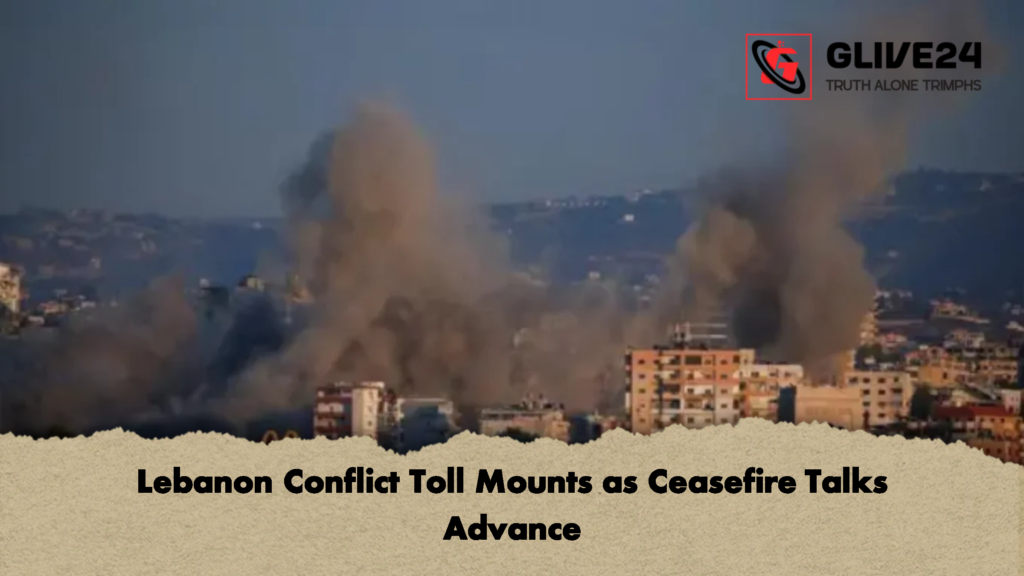
The humanitarian situation in Lebanon has deteriorated sharply as the death toll from ongoing Israeli military operations has risen to at least 2,167 since the latest escalation began in early March, according to figures reported by Al Jazeera and Lebanon’s Ministry of Health. Amid widespread destruction and mounting civilian suffering, cautious diplomatic activity is reportedly underway, raising tentative expectations of a possible ceasefire in the coming period.
Table of Contents
Heavy civilian toll and overwhelmed services
Official data indicates that since 2 March, Israeli air and ground operations across Lebanon have also left at least 7,061 people injured. The scale of casualties has placed severe pressure on hospitals and emergency services, many of which are already operating beyond capacity due to shortages of medical supplies, personnel, and fuel.
The escalation followed a period of heightened regional tension, including reported coordinated strikes involving the United States and Israel in Iran from 28 February. The conflict subsequently expanded into Lebanese territory within days, triggering sustained military exchanges and worsening civilian conditions across multiple regions.
Displacement crisis deepens across Lebanon
The United Nations has described the situation as one of the most severe displacement crises in the region in recent years. Since March, an estimated 1.2 million people have been forced to flee their homes due to ongoing hostilities.
Particularly alarming is the impact on children, with more than 350,000 minors among those displaced. Humanitarian agencies have warned that prolonged displacement is severely affecting access to education, healthcare, shelter, and adequate nutrition, while also increasing long-term psychological trauma among affected populations.
Humanitarian impact overview
| Indicator | Figure |
|---|---|
| Death toll (since 2 March) | 2,167 |
| Injured | 7,061 |
| Total displaced | ~1.2 million |
| Displaced children | 350,000+ |
Emerging signals of diplomatic movement
Despite the intensifying violence, signs of potential diplomatic engagement have begun to emerge. Hezbollah spokesperson and Lebanese Member of Parliament Ibrahim Moussawi has suggested that a ceasefire agreement in Lebanon could be reached “soon”, following mediation efforts reportedly involving Iran alongside other regional stakeholders.
His remarks have fuelled speculation that indirect negotiations may be progressing, although no official agreement or framework has yet been confirmed by the parties involved.
Ceasefire talks underway but uncertain
Two senior Lebanese officials speaking to Al Jazeera confirmed that ceasefire discussions are currently taking place. However, they emphasised that the process remains at an early stage, with no agreed timeline or clearly defined structure for a potential truce.
According to the officials, any ceasefire arrangement in Lebanon is likely to be closely linked to broader geopolitical developments, particularly parallel negotiations between the United States and Iran. This interdependence underscores the complexity of the conflict, where regional dynamics continue to shape local outcomes.
Fragile hopes amid continued escalation
While diplomatic signals have raised hopes of a possible pause in fighting, the situation on the ground remains highly unstable. Continued military operations, combined with large-scale displacement, highlight the urgency of securing even a temporary cessation of hostilities.
Humanitarian organisations have repeatedly warned that without immediate de-escalation, Lebanon faces the risk of further deterioration in public health conditions, infrastructure collapse, and long-term socio-economic instability.
For now, prospects for a ceasefire remain uncertain, suspended between intensifying conflict and cautious diplomatic efforts that have yet to produce a formal breakthrough.