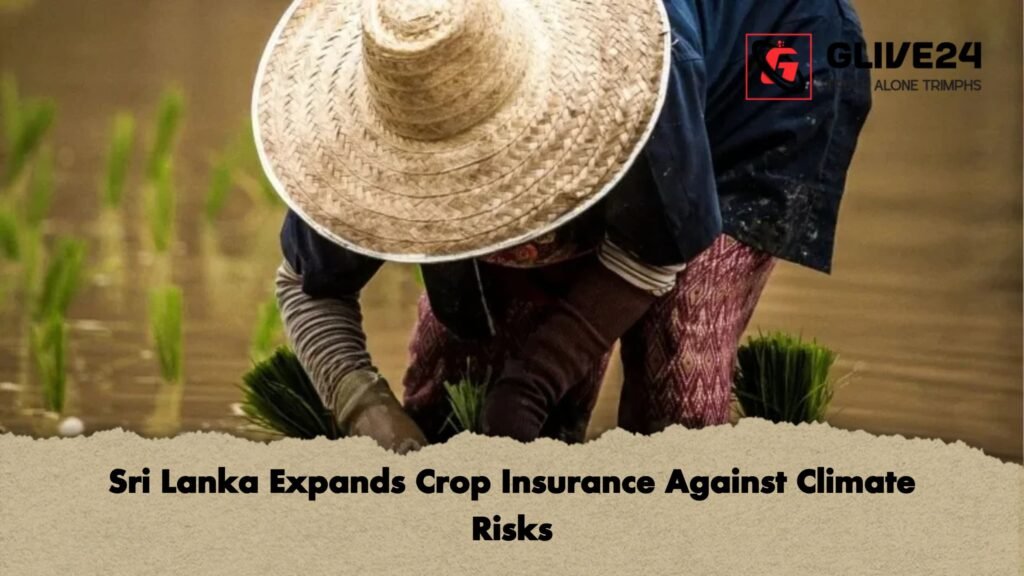
The Democratic Socialist Republic of Sri Lanka is taking decisive action to fortify its agricultural backbone against an increasingly volatile environment. The Agricultural and Agrarian Insurance Board (AAIB) has officially designated February 2026 as “Insurance Month,” launching an ambitious campaign to expand crop cover for farmers grappling with a “triple threat” of climatic shifts, pestilence, and wildlife conflict.
Combating Environmental and Biological Shocks
For decades, Sri Lankan smallholders have faced the precarious reality of seasonal instability. However, recent years have seen an intensification of weather-related shocks. The AAIB’s expanded programme is specifically designed to provide a financial safety net against six core risks:
-
Meteorological Extremes: Prolonged droughts and flash flooding.
-
Wildlife Conflict: Damage specifically caused by wild elephants, a persistent issue in rural provinces.
-
Biological Threats: Outbreaks of insects, pests, and various crop diseases.
-
Accidental Hazards: Damage resulting from spontaneous agricultural fires.
This initiative covers a diverse portfolio of essential crops, including staples like paddy and maize, as well as high-value produce such as potatoes, onions, soybeans, and chillies.
Financial Structure and Accessibility
To ensure widespread adoption, the AAIB has structured the insurance premiums to remain affordable for low-income households. The premium rate for most secondary crops is fixed at 7% of the insured value. This tiered compensation structure allows farmers to tailor their coverage based on the specific investment required for their respective harvests.
| Crop Categories | Maximum Payout per Acre (LKR) | Payout in USD (Approx.) | Premium Rate |
| Grains/Legumes (Cowpea, Mung bean, Sesame) | LKR 60,000 | $192 | 7% |
| Vegetables/Tubers (Sweet potato, Cabbage, Beans) | LKR 100,000 | $320 | 7% |
| Key Cash Crops (Soybean, Chilli, Onion) | Variable | Dependent on Yield | Market Adjusted |
Note: Conversions based on the exchange rate of $1.00 = LKR 310.98.
Protecting the National Economy
Agriculture remains a cornerstone of the Sri Lankan economy, yet unpredictable farm incomes have historically led to cycles of debt. By formalising the insurance process, the government aims to stabilise the rural economy and ensure food security. For example, a sweet potato farmer seeking $320 of protection would only need to pay a premium of approximately $22.40—a small price for the peace of mind that their livelihood is secured against a wandering elephant or a sudden monsoon.
The AAIB’s proactive stance in 2026 marks a shift from reactive disaster relief to a proactive, insurance-led model of agricultural resilience.