
Khabor Wala Desk
Published: 19th May 2026, 1:39 AM
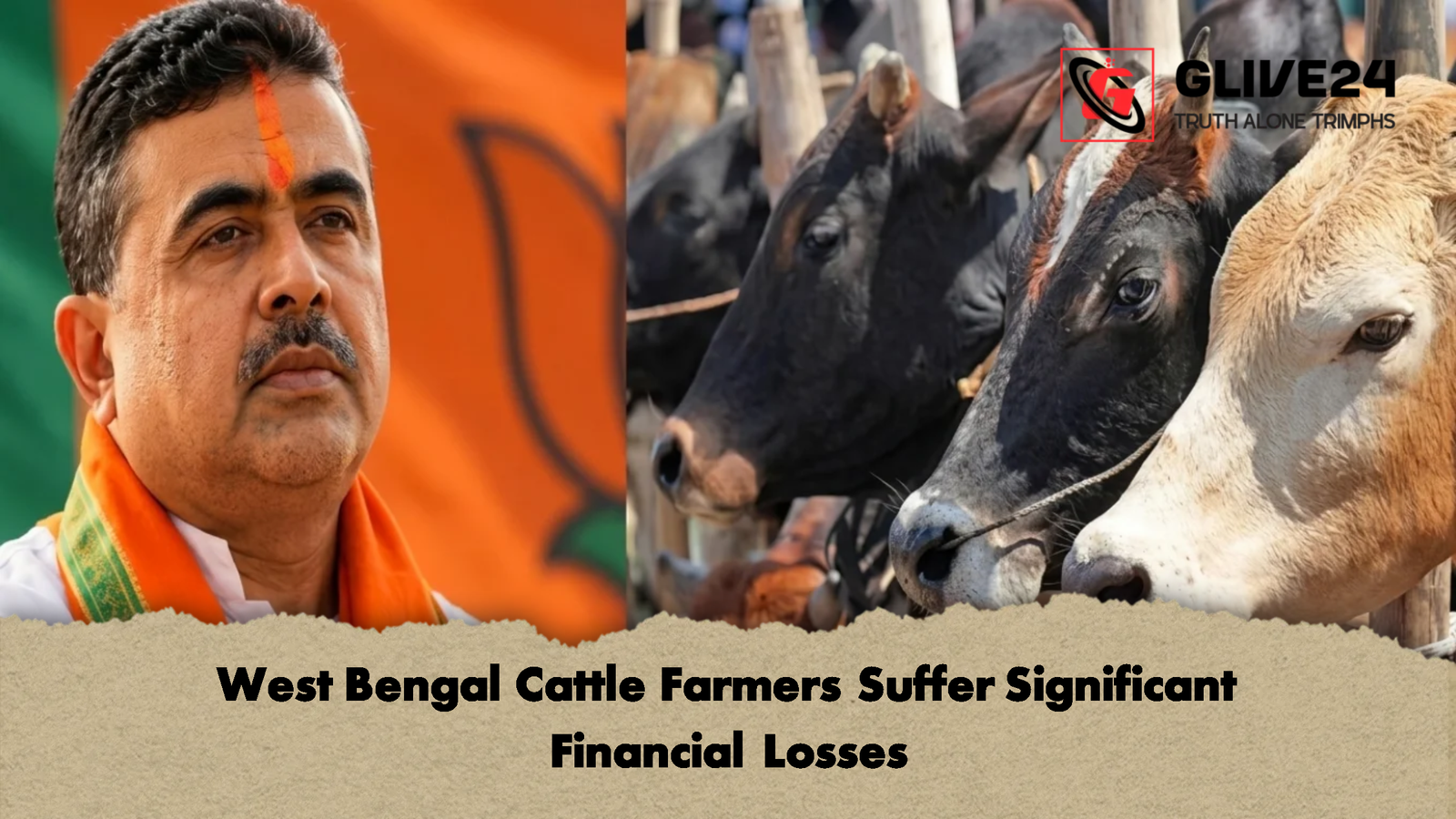
A severe economic crisis has emerged among Hindu cattle farmers in West Bengal following a significant decline in livestock sales ahead of the upcoming festival of Eid-ul-Adha. The downturn in trade is a direct consequence of recent regulatory decisions implemented by the newly formed West Bengal state government, which have prompted Muslim consumers to halt the purchase of cattle for the annual ritual. Farmers who invested substantial capital and manual labour into rearing and fattening livestock specifically for the festive market now face immense financial distress due to the lack of buyers.
The developing situation is currently being monitored directly by the Chief Minister of West Bengal, Suvendu Adhikari. This administrative oversight was confirmed on Monday, 18 May 2026, by the State Minister for Women and Child Development, Agnimitra Paul, following a high-level government assembly.
The critical issue regarding the livestock market was raised during a formal meeting of the newly established West Bengal State Cabinet on Monday. Following the conclusion of the ministerial session, reporters questioned Agnimitra Paul regarding the widespread economic distress encountered by the state’s traditional cattle traders and the government’s intended response to the market stagnation.
In her response to the media, Minister Paul stated that the head of the provincial government was fully aware of the economic challenges facing the agricultural community.
“Our Chief Minister is personally supervising the entire matter. The state government will formulate a specific and comprehensive plan very shortly to address and mitigate this situation. Furthermore, Chief Minister Suvendu Adhikari himself will provide a detailed briefing regarding the administrative measures to be taken,” Paul clarified.
Historically, a substantial number of individuals from the Hindu community in West Bengal have engaged in the seasonal business of rearing and fattening cattle specifically to cater to the high demand during the Eid-ul-Adha festival. According to local trade sources, these agrarian entrepreneurs had previously operated without facing major regulatory or commercial impediments, relying on the predictable seasonal market to secure their annual profit margins.
The current market deadlock stems from a strict regulatory directive issued a few days ago by the Bharatiya Janata Party (BJP) administration, led by Chief Minister Suvendu Adhikari. According to the official government notification, the state authorities have imposed a blanket prohibition on the slaughter of cattle and water buffaloes across West Bengal without obtaining prior formal permission from the designated municipal or veterinary authorities.
In addition to the mandatory licensing framework, the new statute stipulates a stringent age restriction for livestock intended for slaughter. The regulatory text dictates that any bovine animal selected for such purposes must be certified to be at least 14 years of age.
These rigid legal requirements and the associated administrative procedures have created widespread apprehension among traditional buyers. Fearing potential legal complications and stringent penalties under the new framework, the Muslim community has largely refrained from purchasing cattle from the local markets this season. This sudden withdrawal of consumer demand has left thousands of Hindu pastoralists with large numbers of unsold, fully matured livestock, resulting in a severe liquidity crisis within the rural economy of West Bengal.


Comments