
Khabor Wala Desk
Published: 12th February 2026, 10:18 AM
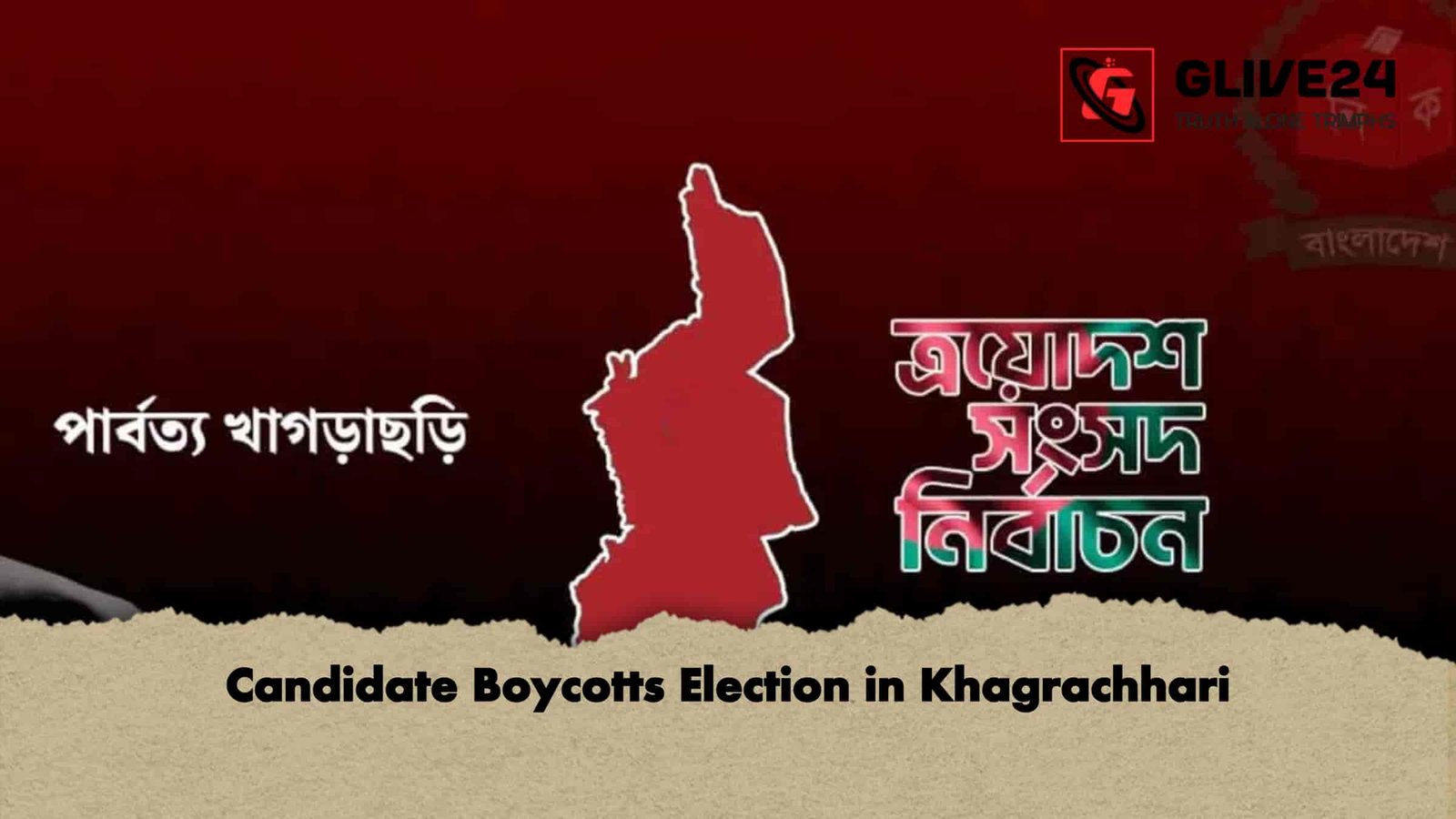
In a dramatic development ahead of Bangladesh’s 13th parliamentary election, Bangladesh Muslim League candidate Md. Mostafa announced on the evening of 11 February that he will boycott the Khagrachhari constituency poll. Speaking at approximately 9:30 pm, he cited administrative bias, undue interference, and serious concerns over voter and candidate safety as the reasons behind his withdrawal.
Mostafa alleged that both he and his family had been subjected to repeated threats throughout the campaign period. On 8 February, he formally requested armed security protection from the District Commissioner and the Returning Officer—requests which he claims were not fully honoured. He also lodged complaints with the Election Investigation and Adjudication Committee regarding irregularities and unlawful actions following the announcement of the election schedule, yet no effective measures were taken to address his grievances.
Highlighting the gravity of the situation, Mostafa identified 189 polling stations in Khagrachhari as high-risk, warning that the lack of proper security could influence voter behaviour and potentially compromise the integrity of the election results. He urged his party workers and supporters of the “Hurricane” symbol not to attend polling stations in protest.
The Khagrachhari seat features a competitive field of 11 candidates. Key details are summarised in the table below:
| Subject | Details |
|---|---|
| Constituency | Khagrachhari |
| Total Candidates | 11 |
| High-Risk Polling Stations | 189 |
| Main Allegations | Administrative bias, interference, insecurity |
| Candidate’s Security Request | 8 February (armed protection requested) |
| Election Commission Response | No action taken |
| Election Boycott Announcement | 11 February, 9:30 pm |
Mostafa emphasised, “Voters attending the polling stations may face security risks, and the transparency of election outcomes could be jeopardised.” He also appealed to rival candidates to maintain calm and peaceful conduct during the election process.
In response to the heightened tensions, the district administration and local security forces have reportedly increased their on-ground presence and preparedness. Nevertheless, the boycott has added uncertainty and tension to the local electoral environment. Observers have noted that the Election Commission and administrative authorities will need to exercise maximum vigilance to ensure a free, fair, and safe voting process in Khagrachhari. The coming days are expected to test both the resilience of electoral procedures and public confidence in the democratic process.

Comments