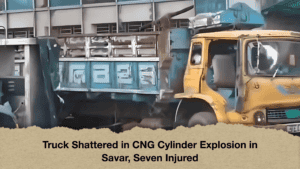
The opening month of the year has painted a troubling picture of road safety, with a significant number of fatalities and injuries reported across the country. According to a comprehensive report, a total of 559 road accidents occurred in January, resulting in 487 deaths and leaving 1,194 people injured. The data highlights an ongoing crisis in transport safety, raising urgent concerns among policymakers, safety advocates, and the general public.
The report, compiled from nine national dailies, seven online news portals, various electronic media outlets, and the organisation’s own monitoring, underscores the scale and complexity of the issue. It was released on 19 February by the Road Safety Foundation, offering a detailed breakdown of accident trends and underlying causes.
Motorcycle accidents emerged as the deadliest category, accounting for the highest proportion of fatalities. Out of 208 motorcycle-related crashes, 196 people lost their lives—representing 40.24 per cent of the total deaths recorded on the roads. Experts attribute this disproportionately high figure to factors such as reckless driving, lack of helmet use, and inadequate enforcement of traffic regulations.
Beyond road incidents, the country also witnessed accidents in other transport sectors. In January, four waterway accidents claimed six lives and injured seven others. Meanwhile, 41 railway accidents resulted in 32 deaths and 17 injuries, indicating that safety concerns extend beyond highways.
Casualty Overview by Transport Mode
| Transport Mode | Number of Accidents | Dead (Deaths) | Injured |
|---|---|---|---|
| Road | 559 | 487 | 1,194 |
| Waterways | 4 | 6 | 7 |
| Rail | 41 | 32 | 17 |
A closer look at the demographic data reveals that among those killed in road accidents, 68 were women and 57 were children. This underscores the broader societal impact of road crashes, affecting vulnerable groups and families across the country.
Occupational data further illustrates the widespread nature of the tragedy. Victims came from diverse professional backgrounds, including students, political activists, sales representatives, businesspeople, and NGO workers, among others.
Occupation-based profile of the deceased (Selected Occupations)
| Occupation | Deaths |
|---|---|
| Students | 57 |
| Political activists | 27 |
| Sales representatives | 26 |
| Businesspersons | 21 |
| NGO workers | 19 |
| Teachers | 13 |
| Bank and insurance staff | 11 |
Geographically, the highest number of fatalities—119—was recorded in the Dhaka division, while the Sylhet division reported the lowest, with 18 deaths. The capital city alone accounted for 18 fatalities, reflecting the risks associated with dense urban traffic and inadequate road management.
The report identifies several key causes behind these accidents. These include defective vehicles, poorly maintained and designed roads, excessive speeding, driver inexperience and psychological stress, lack of regulated working hours and fair wages for drivers, widespread disregard for traffic laws, the presence of slow-moving vehicles on highways, and weak enforcement capacity among regulatory authorities.
Safety experts argue that addressing this crisis requires a multifaceted approach. Stronger law enforcement, improved driver training, stricter vehicle fitness checks, and public awareness campaigns are essential. Without coordinated and sustained action, the rising toll of road accidents is likely to persist, continuing to claim lives and disrupt communities.