
Khabor Wala Desk
Published: 15th March 2026, 3:05 PM
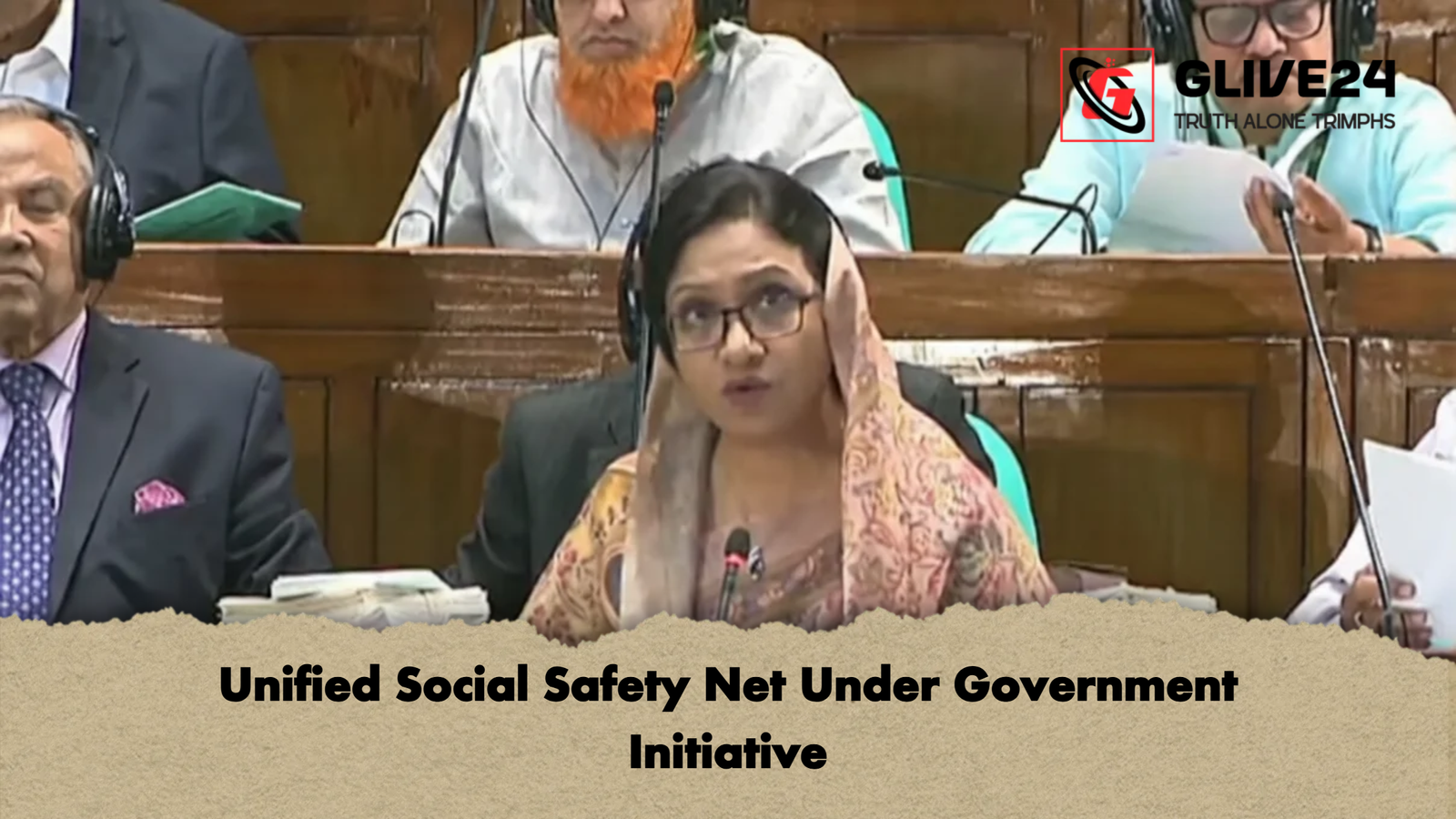
The Government of Bangladesh has embarked on a major initiative to streamline the social safety net and address persistent discrepancies in beneficiary lists. On Sunday, State Minister for Social Welfare, Farzana Sharmin, informed the National Parliament that all social welfare allowances and beneficiaries will gradually be consolidated under a unified, transparent system.
Speaking during the question-and-answer session, presided over by Speaker Hafiz Uddin Ahmed, the Minister highlighted irregularities in some beneficiary lists, where beneficiaries were reportedly asked for payments during the disbursement process. “Such practices are fraudulent, and we are striving to make the distribution process as transparent as possible,” she remarked.
The Minister elaborated that the government is introducing a Family Card project, which will register all beneficiaries based on family units. This integrated approach is intended to ensure that social assistance reaches the truly eligible citizens and contributes effectively to the country’s economic development, especially in the context of current financial fragility.
Responding to a question from Noakhali-2 MP Zainal Abedin Faruk, Farzana Sharmin noted that existing beneficiary lists are under thorough verification. Past irregularities are being addressed through revised policies to ensure that genuine beneficiaries are included. Similarly, in response to Chattogram-15 MP Shahjahan Chowdhury, she acknowledged that nepotism and malpractices in the past had prevented eligible individuals from receiving assistance. These lists are now being audited and restructured.
| Area | Verification Status | Main Issues | Planned Solutions |
|---|---|---|---|
| Kushtia-1 | Ongoing | Irregularities, payments requested | Coordination through transparency and Family Card project |
| Noakhali-2 | Under verification | Past malpractices | Policy revision and inclusion of genuine beneficiaries |
| Chattogram-15 | Under verification | Nepotism | Restructuring lists and ensuring eligible inclusion |
In the same session, Education Minister A.N.M. Ehsanul Haque Milon outlined initiatives to modernise the national education system, integrating religious education alongside secular studies. The Minister confirmed that 9,000 new religious teachers will be recruited, although certain complexities remain regarding certification and qualification verification.
The Minister further stated that Bangladesh currently has 57 public universities. The government will evaluate the necessity of establishing new institutions while prioritising the quality enhancement of existing universities. Admission processes will also be made more transparent and participatory, with stakeholder consultations planned to finalise reforms.
In summary, the government’s dual focus on an integrated social safety net and educational reforms aims to strengthen the nation’s fragile economy while ensuring that citizens receive tangible benefits and opportunities. By unifying social welfare systems and improving educational governance, the authorities seek to create a more equitable and efficient framework for development.


Comments