
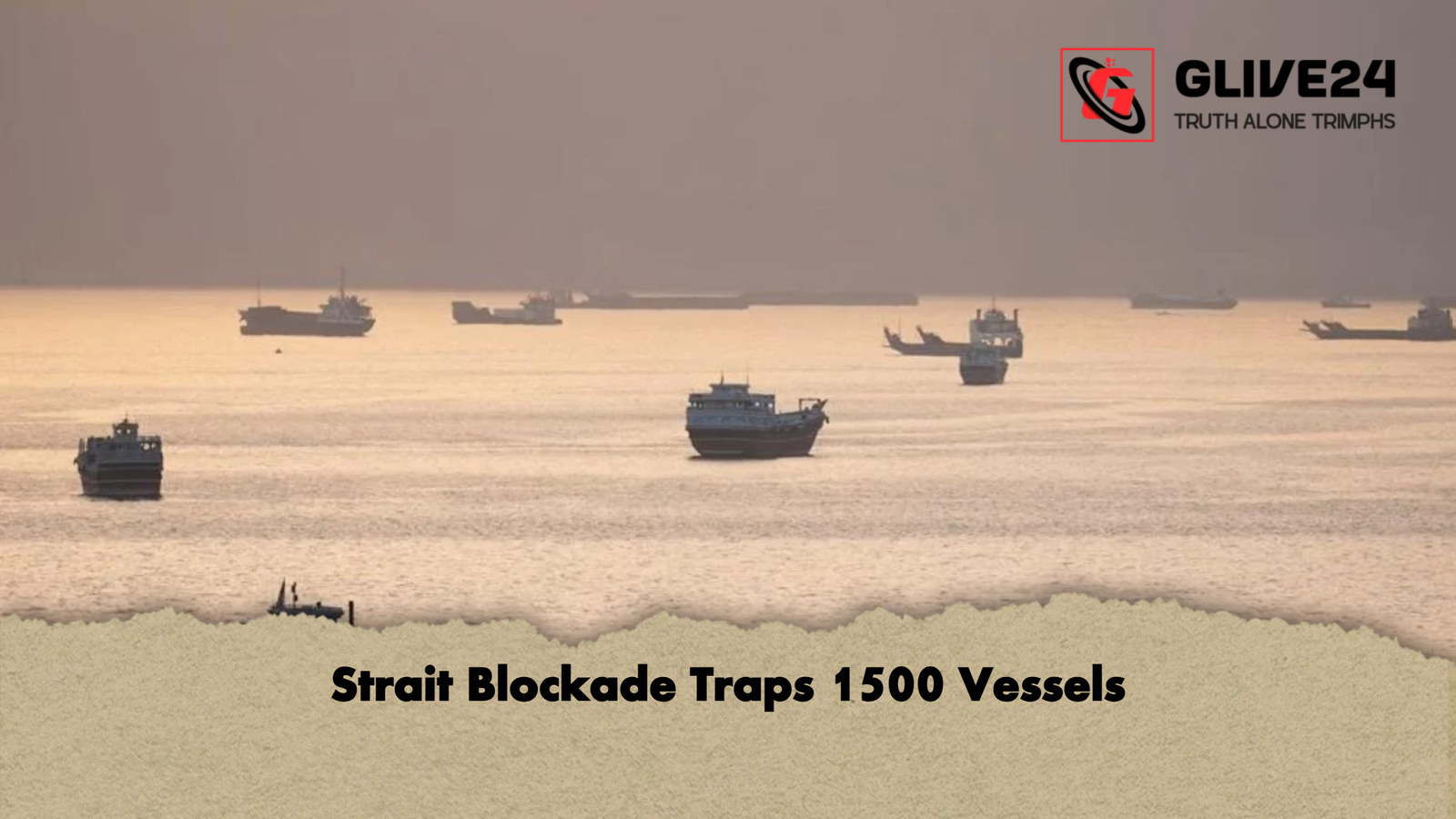
The global maritime industry is facing an unprecedented disruption after a reported blockade in the strategically vital Strait of Hormuz, leaving approximately 1,500 vessels and around 20,000 seafarers stranded in and around the wider Gulf region.
According to the Secretary-General of the International Maritime Organization, Arsenio Dominguez, the crisis has escalated rapidly following heightened military tensions involving Israel, the United States, and Iran since late February. In response to what Tehran describes as hostile actions, Iranian authorities are reported to have imposed restrictions on maritime movement through the strait, a chokepoint through which a significant share of the world’s seaborne energy and goods transit.
Speaking at the “Maritime Convention of the Americas” held in Panama on Thursday (7 May), Dominguez warned that the situation is already having severe humanitarian and logistical consequences. He stressed that the stranded crews are “innocent people carrying out their professional duties to sustain global trade, yet they have been caught in circumstances entirely beyond their control.”
The Strait of Hormuz is one of the most critical maritime corridors in the world, linking the oil-rich Gulf states to international shipping routes. Any disruption in this passage has immediate ripple effects on global energy prices, supply chains, and shipping insurance costs.
Dominguez further highlighted the scale of global dependence on maritime transport, noting that more than 80% of all traded goods worldwide are transported by sea. The current bottleneck therefore represents not just a regional challenge but a systemic risk to international commerce.
Situation Overview
| Category | Estimated Figure / Detail |
|---|---|
| Vessels affected | ~1,500 ships |
| Seafarers impacted | ~20,000 personnel |
| Key location | Strait of Hormuz |
| Global trade via sea | Over 80% of goods |
| Trigger event | Escalation of regional military tensions |
| Primary concern | Maritime blockade and restricted navigation |
Industry analysts warn that prolonged disruption could lead to significant delays in oil shipments, container freight congestion, and rising operational costs for shipping companies. There are also growing concerns over crew welfare, as many vessels remain anchored for extended periods with limited clarity on when normal transit may resume.
Maritime authorities and international stakeholders are now calling for urgent diplomatic engagement to restore safe passage through the strait and prevent further destabilisation of global shipping networks.