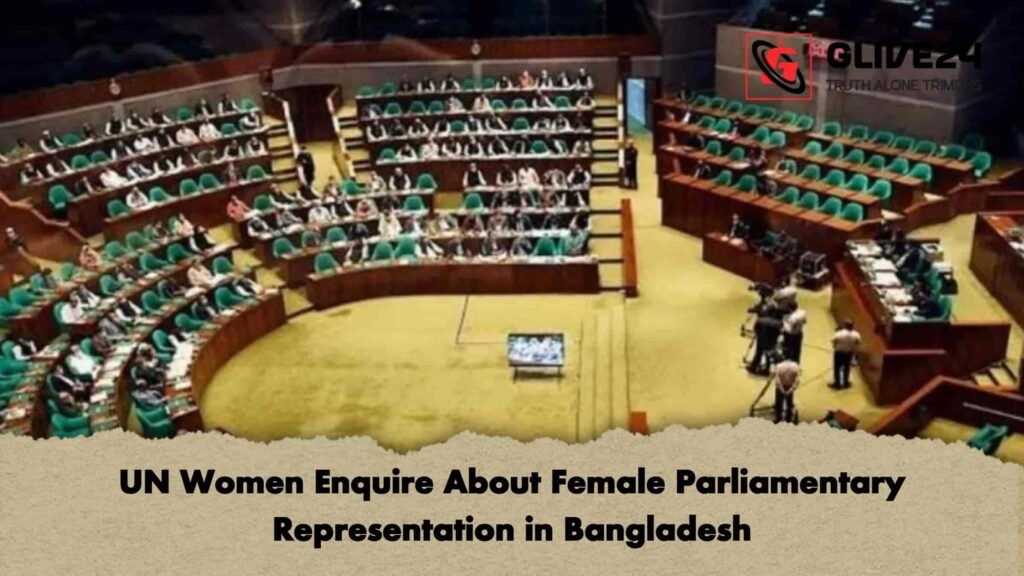
A high-level delegation from UN Women has requested clarification regarding the limited representation of women in the 13th National Parliamentary Election. In response, the Election Commission (EC) of Bangladesh explained that whilst numerous female candidates contested the polls, representation is ultimately determined by the competitive outcomes of the democratic process, requiring candidates to win popular votes to secure a seat in parliament.
Details of the Bilateral Meeting
The inquiry was raised during a formal post-election review meeting held on Sunday, 17 May 2026, at the Election Commission headquarters. Briefing journalists after the session, the Election Commission Secretary, Akhtar Ahmad, stated that the international delegation presented various observations regarding the post-election landscape. Their primary focus centred on the reasons behind the low percentage of elected female representatives and exploring institutional strategies to enhance gender parity in future legislative cycles.
Ahmad noted that the 13th parliament currently includes seven directly elected female members. Although a significantly larger number of women participated as active contestants, the electoral framework requires a direct majority win to enter the legislature. He further explained that out of the total parliamentary strength, women hold a cumulative total of 57 seats when incorporating the 50 constitutionally reserved seats for women. The Commission expressed confidence that female representation would be statistically higher in the upcoming local government elections compared to the national polls.
Key Gender Demographics and Parliamentary Statistics
The comparative data regarding female representation and voter registration metrics presented during the meeting is outlined below:
| Statistical Metric | Recorded Figure / Status |
| Directly Elected Female Members of Parliament | 7 Members |
| Reserved Parliamentary Seats for Women | 50 Seats |
| Cumulative Female Parliamentary Representation | 57 Members |
| Historical Gender Gap in Voter Registration | 3,000,000 (3 Million) |
| Current Gender Gap in Voter Registration | 1,800,000 (1.8 Million) |
| Security Status of the 13th General Election | Entirely peaceful with zero ballot box thefts |
Voter Database Adjustments and Institutional Security
The Election Commission also presented data showcasing their progress in narrowing the gender gap within the national voter database. The historic margin between registered male and female voters has been successfully reduced from 3 million to 1.8 million under the current administration’s targeted registration drives. Ahmad confirmed that systemic efforts remain underway to minimize this discrepancy further. Additionally, the international delegates were informed that the election was conducted without any instances of political violence or the theft of ballot boxes.
When questioned whether UN Women had submitted specific recommendations, Ahmad stated that the agency did not provide separate mandates but instead reconfirmed its long-term commitment to sustaining ongoing collaborative projects with the Bangladesh Election Commission.
The delegation from UN Women, which met with the Chief Election Commissioner (CEC), was led by the Assistant Secretary-General and Deputy Executive Director, Ms Nyaradzayi Gumbonzvanda. The team also included the Regional Director, Christine Arab; Country Representative, Ms Gitanjali Singh; Deputy Representative, Nyavanita Sinha; and Unit Manager, Tapati Saha.