Khabor Wala Desk
Published: 19th May 2026, 4:39 PM
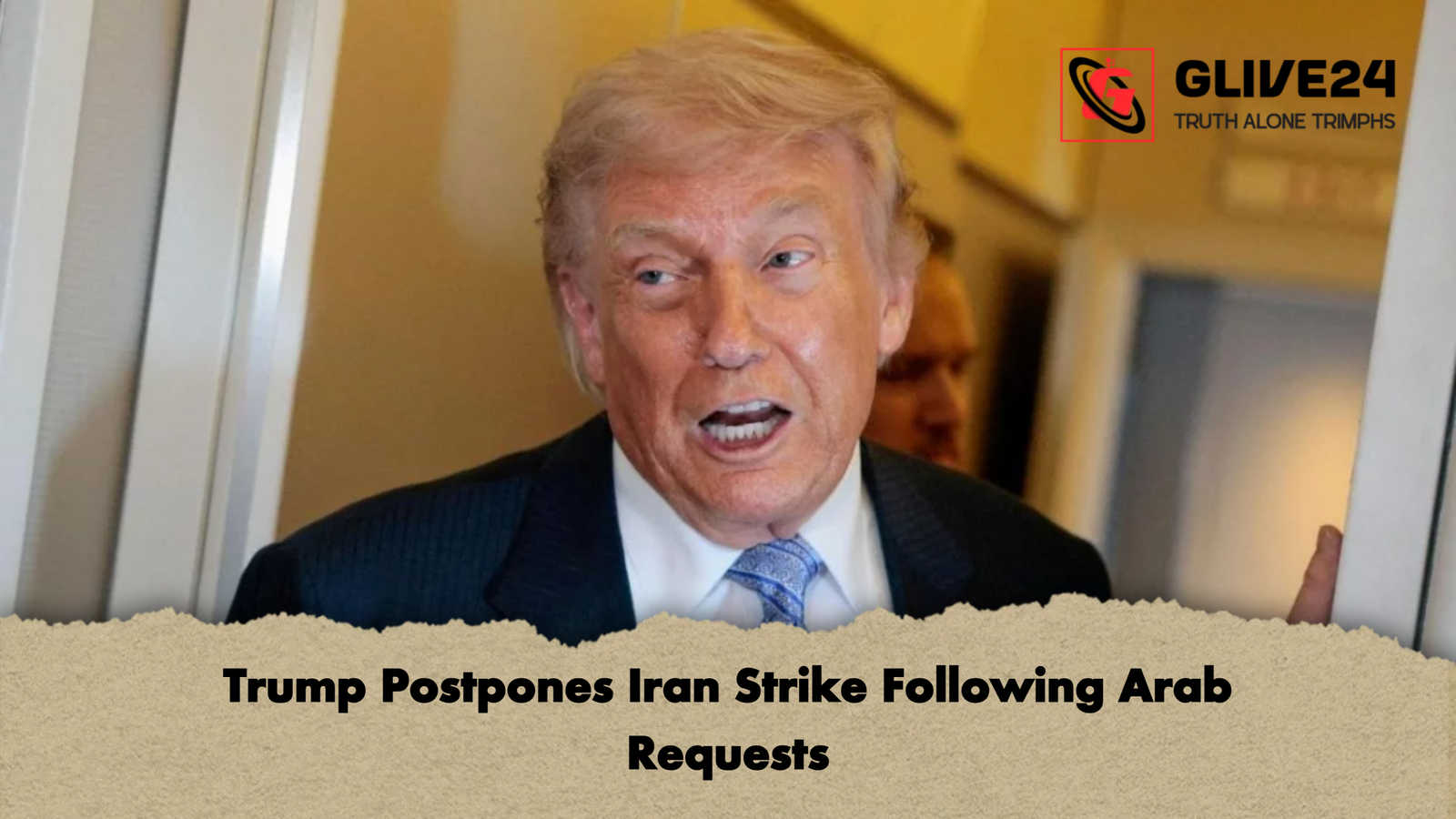
US President Donald Trump has announced the deferral of a planned military strike against Iran, originally scheduled for Tuesday. According to the President, the decision follows direct interventions and requests from the leaders of Qatar, Saudi Arabia, and the United Arab Emirates. Alongside this announcement, President Trump claimed that “important talks” are currently underway with Tehran.
In a statement published on his social media platform, Truth Social, the President noted he had been informed that an agreement was developing which would be “very acceptable” to the United States. He added explicitly, “Iran will not have a nuclear weapon.” However, he maintained a strict cautionary stance, warning that the United States remains prepared to launch a large-scale military offensive against Iran “at any moment” should negotiations fail to produce an acceptable treaty.
In response to these developments, a senior Iranian military official issued a statement urging Washington to avoid making a “strategic mistake and miscalculation.”
The current diplomatic and military impasse follows a significant escalation on 28 February, when the United States and Israel launched a major aerial offensive against Iran. Tehran retaliated by deploying drones and missiles targeting American and Israeli assets across the Persian Gulf region.
This cycle of violence has caused severe apprehension among neighbouring Gulf Arab states. Regional leadership remains concerned that a renewed American offensive could prompt Iran to target critical infrastructure within neighbouring countries, specifically airports, energy facilities, and desalination plants.
To facilitate diplomatic dialogue and mitigate these risks, a ceasefire was implemented in April. Despite sporadic, isolated skirmishes, this truce has largely remained intact. Speaking to reporters regarding the current state of affairs, President Trump remarked:
“This is a very positive development. But we’ll have to see what happens in the end.”
He acknowledged that previous negotiations had collapsed despite coming close to an agreement, though he noted that the current situation appears “a bit different.” The President expressed optimism about a diplomatic resolution, stating there is a “very good chance” of reaching an understanding, adding that he would be “very happy” if an agreement could be secured without resorting to bombardment.
The ongoing confrontation carries substantial weight for global energy markets. Iran maintains strict operational control over the Strait of Hormuz, a maritime chokepoint through which approximately 20 per cent of the world’s sea-borne petroleum and liquefied natural gas (LNG) is transported. Iran’s strategic positioning and the broader geopolitical friction have driven global oil prices higher. Concurrently, the United States has maintained a naval blockade on Iranian ports to exert economic and political pressure on Tehran.
According to the Iranian state news agency, Tasnim, Iran’s Supreme Leader, Mojatba Khamenei, has issued a stark warning against further Western intervention. He stated that any renewed strikes would result in the opening of an entirely new military front, positioned in an area where adversaries possess minimal experience and maximum vulnerability. This follows a statement made by President Trump on Sunday, where he declared that “time is running out for Iran” and warned that they must act swiftly, or “they will have nothing left.”
Tehran has confirmed that it has formally submitted its response to the latest proposal from Washington, with diplomatic talks currently being brokered through Pakistani mediation. Iranian media reports indicate that both nations have established firm, conflicting prerequisites for a formal resolution.
The core negotiating positions of both parties are detailed in the table below:
| Negotiating Party | Core Demands and Core Positions |
| Iran | * Complete cessation of hostilities across all military fronts.
* Total lifting of the United States naval blockade on Iranian ports.
* Formal international guarantees against any future military strikes.
* Comprehensive financial compensation for damages incurred during the conflict. |
| United States | * Restriction of Iran’s nuclear capabilities to a single operational facility.
* Mandatory transfer of all highly enriched uranium stockpiles to US custody.
* Alternative Indication: Conditional willingness to consider a 20-year suspension of Iran’s nuclear programme, pivoting from previous demands for an absolute shutdown. |
The United States and its European allies continue to allege that Iran is actively utilizing its uranium enrichment capabilities to develop nuclear weapons. Tehran continues to deny these accusations, maintaining that its nuclear activities are designed strictly for peaceful, civilian, and scientific purposes.
No related posts available.
Comments