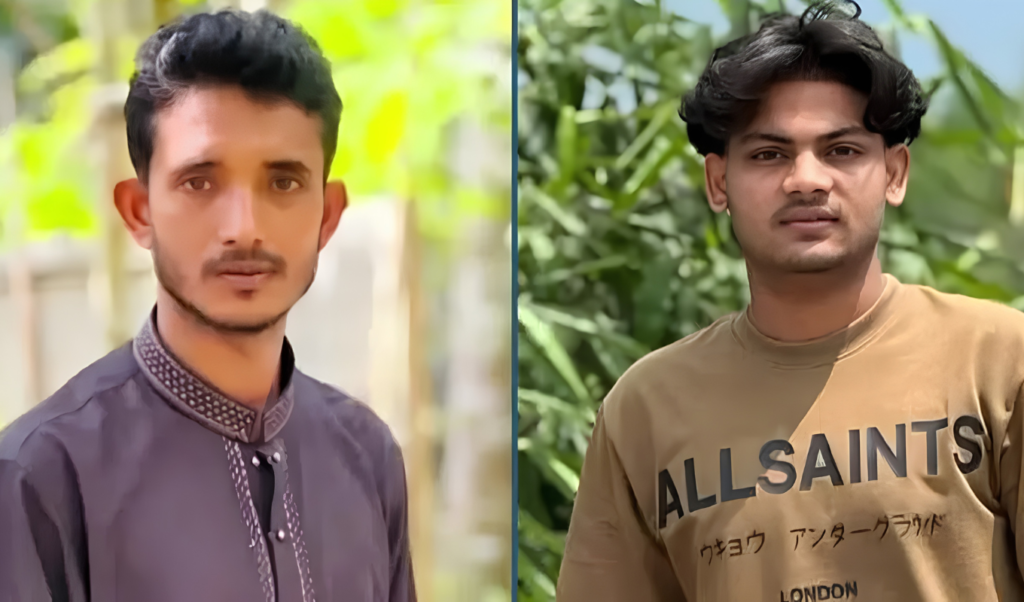
Nazmul Hasan Mamun, widely known as “Bomaru Mamun,” who was acquitted in the 2017 Hotel Olio anti-terrorism case, has re-emerged as a central figure in an ongoing counter-terrorism investigation. The Counter Terrorism and Transnational Crime (CTTC) unit of the police linked Mamun to a fresh explosive cache discovered following the arrest of an associate in Savar.
Counter-terrorism officers arrested the suspect, identified as Mohammad Arif, alias Imran, during a raid in Savar on Tuesday evening. Subsequent interrogations led law enforcement personnel to an explosive workshop in the Shyampur area of Savar, where detectives seized several pipe bombs and raw chemical materials used in bomb making.
While Arif remains in custody, Mamun evaded capture. CTTC officials confirmed that specialized teams have launched a manhunt to locate and arrest the primary suspect.
Operations in Savar Safe House
According to CTTC investigators, Arif rented a room in a residential building in Shyampur on 5 August under the alias “Abbas Ali,” claiming to be a commercial driver. Family members of the property owner informed police that the tenant rarely ventured out during daylight hours, preferring to transport materials into the premises late at night.
Acting on intelligence obtained during Arif’s initial interrogation, CTTC operatives surrounded the building on Tuesday night, maintaining a tactical cordon until nearly 1:45 am. The search yielded multiple pipe bombs and precursor chemicals. Police suspect the location was being utilized to prepare improvised explosive devices for deployment across the capital region.
On Wednesday morning, police recovered another pressure-cooker bomb discarded inside a plastic drum near the Ghora Mosque in the Goperbari Laltek area of Savar, further highlighting the extent of local explosive manufacturing.
Linkages to Recent Regional Bombings
Investigating officers have tied the suspect pair to a string of blast incidents and abandoned explosives across Dhaka and neighbouring districts over recent months.
CTTC Additional Deputy Commissioner Main Uddin Chowdhury confirmed that Arif identified Mamun as his operational mentor. Investigators allege that both individuals were directly involved in planning and executing several suspicious incidents, including:
-
Accidental detonation during explosive assembly at a Keraniganj madrasa in December
-
Abandoning a bag of bombs during a police search at a Jatrabari checkpoint in February
-
Detonation of an explosive device at a Cumilla temple premises in March
-
An explosion triggered during a routine police inspection in Sayedabad in March
-
A pipe bomb concealed inside an umbrella along a rally route near Motijheel Metro Station in July
-
An unexploded pressure-cooker bomb planted at an Ashulia tea stall in July
-
A pressure-cooker bomb recovered inside a discarded drum near Savar Ghora Mosque in August
From Judicial Acquittal to Renewed Investigation
Nazmul Hasan Mamun first gained prominence following the 15 August 2017 anti-terrorism operation at Hotel Olio International in Panthapath, Dhaka. During that raid, an occupant named Saiful Islam died after detonating an explosive device inside his room.
Police subsequently filed charges under the Anti-Terrorism Act, naming 13 individuals in the charge sheet. Mamun was arrested in Uttara on 31 December 2017 and identified by law enforcement as a shura member of the militant group Neo-JMB.
However, after years of legal proceedings, the Anti-Terrorism Special Tribunal in Dhaka acquitted Mamun and ten co-defendants on 5 January 2026. The court’s verdict referenced defence arguments that the prosecution was politically motivated, describing the accused as activists opposed to the former regime.
Despite his legal discharge earlier this year, Mamun’s name resurfaced in intelligence reports within months. Additional Commissioner of CTTC Mohammad Shamsul Haq stated that all individuals linked to the recent explosive recoveries will face prosecution as investigations proceed.