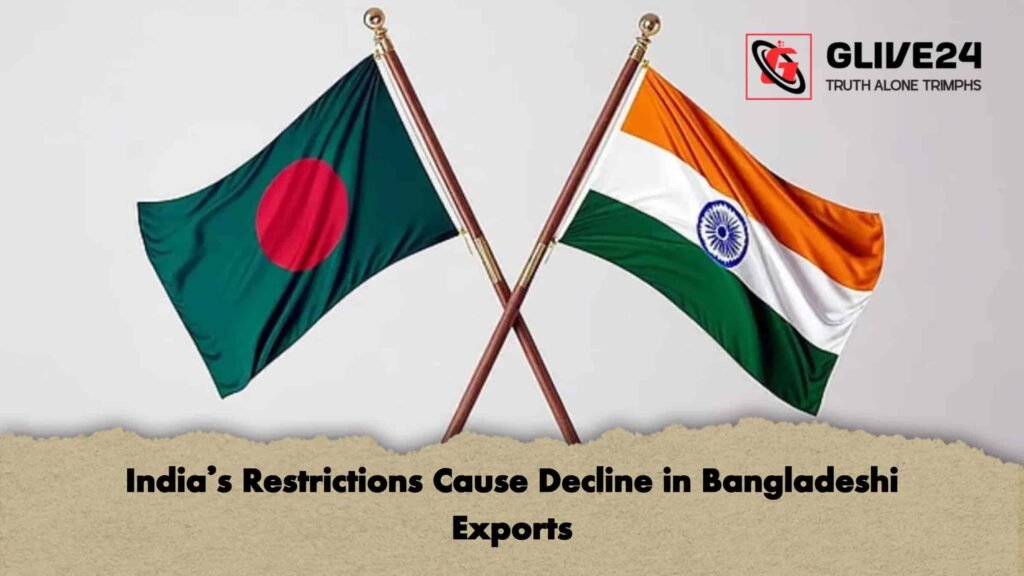
Relations between Bangladesh and its principal neighbour, India, have long been a focal point of diplomatic attention in Dhaka. Historically, periods of tension have occurred under various governments, but the last fifteen years saw a remarkable closeness, with bilateral ties reaching unprecedented levels of engagement.
However, following the 5 August 2024 political upheaval in Bangladesh, the tone of Dhaka–New Delhi relations has shifted sharply, marking the most acrimonious phase since Bangladesh’s independence. Over the past four months, there have been reports of Indian authorities pushing individuals into Bangladesh almost daily, a phenomenon unprecedented in scale. Despite repeated assurances from Dhaka that it seeks “a positive relationship” based on mutual respect and shared interests, tensions persist.
In September 2024, Bangladesh’s Foreign Affairs Adviser, Md. Touhid Hossain, held discussions with Indian External Affairs Minister S. Jaishankar on the sidelines of the United Nations General Assembly. During these talks, Hossain emphasised the need for officer-level meetings, subsequently leading to a Bangladesh–India foreign secretary-level dialogue in Dhaka in December. Further engagement occurred in April 2025 when Professor Dr Muhammad Yunus met Prime Minister Narendra Modi during the BIMSTEC summit. Yet, despite these initiatives, the diplomatic distance remained. India has explicitly stated that normalised relations would not resume until a democratically elected government assumes office.
The situation further deteriorated when Bangladeshi cricketer Mustafizur Rahman was excluded from the Indian Premier League auction, despite being initially selected. Concurrently, Indian media have continued campaigns against Bangladesh, often publishing unverified claims. At the same time, some Bangladeshi political leaders have been accused of breaching diplomatic protocol while criticising India.
Tensions escalated in late 2024 when several political incidents—including the escape of Inqilab Munch leader Sharif Osman Hadi to India and the naming of “Felani Avenue” in Dhaka to commemorate a border killing—further strained relations. These events were compounded by inflammatory remarks from political figures in Bangladesh regarding India’s role in sheltering dissidents, which New Delhi viewed as provocative.
Bilateral disputes also extended to consular issues: attacks on Bangladesh missions in India led to temporary suspension of visa and consular services in Delhi and Agartala. Similar incidents occurred in Chittagong and at visa centres in West Bengal. Analysts suggest that with national elections approaching in February 2026, substantial improvement in ties is unlikely until a new government is elected.
Key Incidents in Bangladesh–India Relations (2024–2025):
| Date | Incident | Impact on Relations |
|---|---|---|
| Aug 5, 2024 | Political upheaval in Bangladesh | Marked start of heightened tensions |
| Sept 2024 | Meeting: Md. Touhid Hossain & S. Jaishankar | Proposed officer-level talks |
| Dec 2024 | Foreign secretary-level talks in Dhaka | Diplomatic engagement, limited effect |
| Apr 2025 | Dr Muhammad Yunus meets PM Modi | Symbolic dialogue at BIMSTEC |
| Dec 16, 2024 | Naming of Felani Avenue | Protest against cross-border killings |
| 2025 | IPL exclusion of Mustafizur Rahman | Cultural/diplomatic friction |
| 2024–2025 | Attacks on Bangladeshi missions in India | Temporary visa & consular service suspensions |
Observers note that while routine diplomatic and economic functions continue, the overarching atmosphere remains fraught. Analysts emphasise that resolving tensions will require earnest engagement from both sides, particularly from India, to restore neighbourly trust. Professor Imtiaz Ahmed, an expert in international relations, commented, “With elections imminent, there is little scope for dramatic improvement, but maintaining routine communication is vital.”