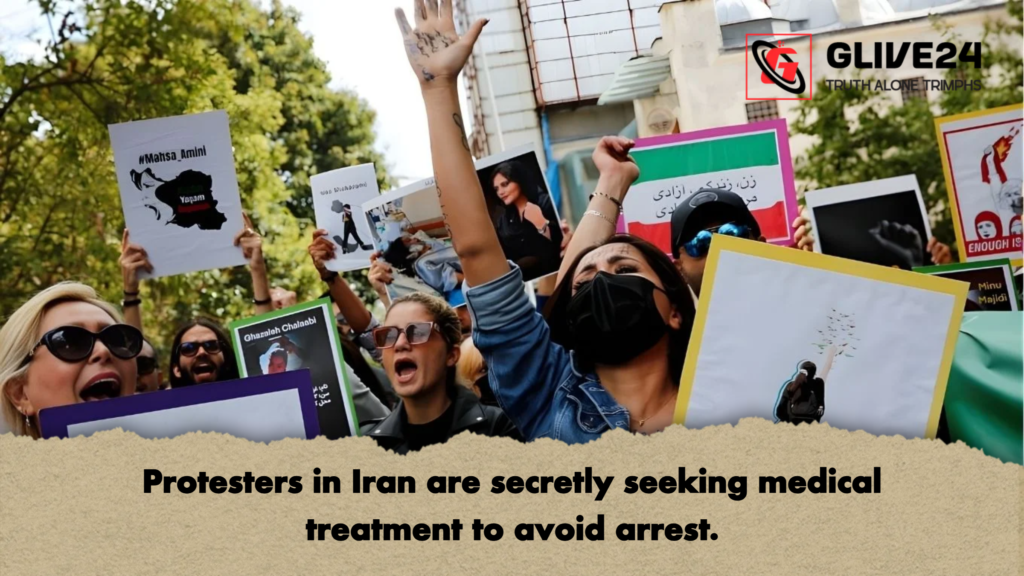
Amid an escalating crackdown on dissent, Iranian protesters are seeking medical treatment in secrecy to avoid arrest, BBC Bangla reports. The Iranian authorities claim that over 3,100 people have died in the ongoing unrest, the majority of whom, they assert, are either security personnel or civilians caught in the crossfire of so-called “rioters.”
However, the full extent of casualties remains unclear due to a near-total internet shutdown and restrictions on international media reporting within the country. Independent human rights organisations have offered a starkly different picture. The United States-based Human Rights Activist News Agency (HRANA) has verified 6,301 deaths linked to the protests, including 5,925 protesters, 112 children, 50 bystanders, and 214 government-affiliated personnel. The organisation is currently investigating reports of an additional 17,091 deaths.
Casualty Summary Table
| Category | Verified Deaths | Notes |
|---|---|---|
| Protesters | 5,925 | Majority of fatalities |
| Children (under 18) | 112 | Among the youngest victims |
| Bystanders | 50 | Civilians caught in the violence |
| Government-affiliated persons | 214 | Security personnel and officials |
| Total Verified | 6,301 | HRANA confirmed figures |
| Under Investigation | 17,091 | Pending verification |
Reports indicate that at least 11,000 protesters have sustained serious injuries. Many of these injured individuals avoid hospitals due to fear of arrest, instead relying on clandestine care provided at homes by doctors, nurses, and volunteers. Hospital staff have confirmed to the BBC that security forces are present in medical facilities and frequently monitor patient records to identify injured protesters.
A protester in Isfahan, speaking under a pseudonym, described how he and a friend narrowly avoided arrest while attending a demonstration. They were shot at by security forces and sustained severe injuries, which were later treated secretly by a volunteer surgeon in a private residence. “We could not risk going to the hospital,” he said. “The surgeon warned us some wounds could not be fully treated later and would leave permanent marks.”
Dr Nima, a surgeon in Tehran, recounted transporting injured protesters in his car to bypass checkpoints. “We performed continuous operations for nearly 96 hours without rest. Our gowns and clothing were soaked in blood,” he said. Many of the injured had gunshot wounds to vital areas, necessitating amputations and leaving them permanently disabled.
Semi-official Iranian news agencies report over 13,000 surgical procedures during the protests. Farabi Eye Hospital in Tehran treated 700 individuals with serious ocular injuries by 10 January, with around 200 referred to other hospitals.
The situation in smaller towns appears even grimmer. Security forces have reportedly abducted patients from hospitals, and medical personnel treating the injured have themselves become targets. Iran Human Rights (IHR) confirmed last week that at least five doctors and one volunteer had been arrested for treating wounded protesters. In Qazvin, surgeon Dr Alireza Golchini was detained at his home and physically assaulted, facing charges of “Moharebeh,” or “enmity against God,” a crime punishable by death under Iranian law.