
Khabor Wala Desk
Published: 3rd February 2026, 8:55 AM
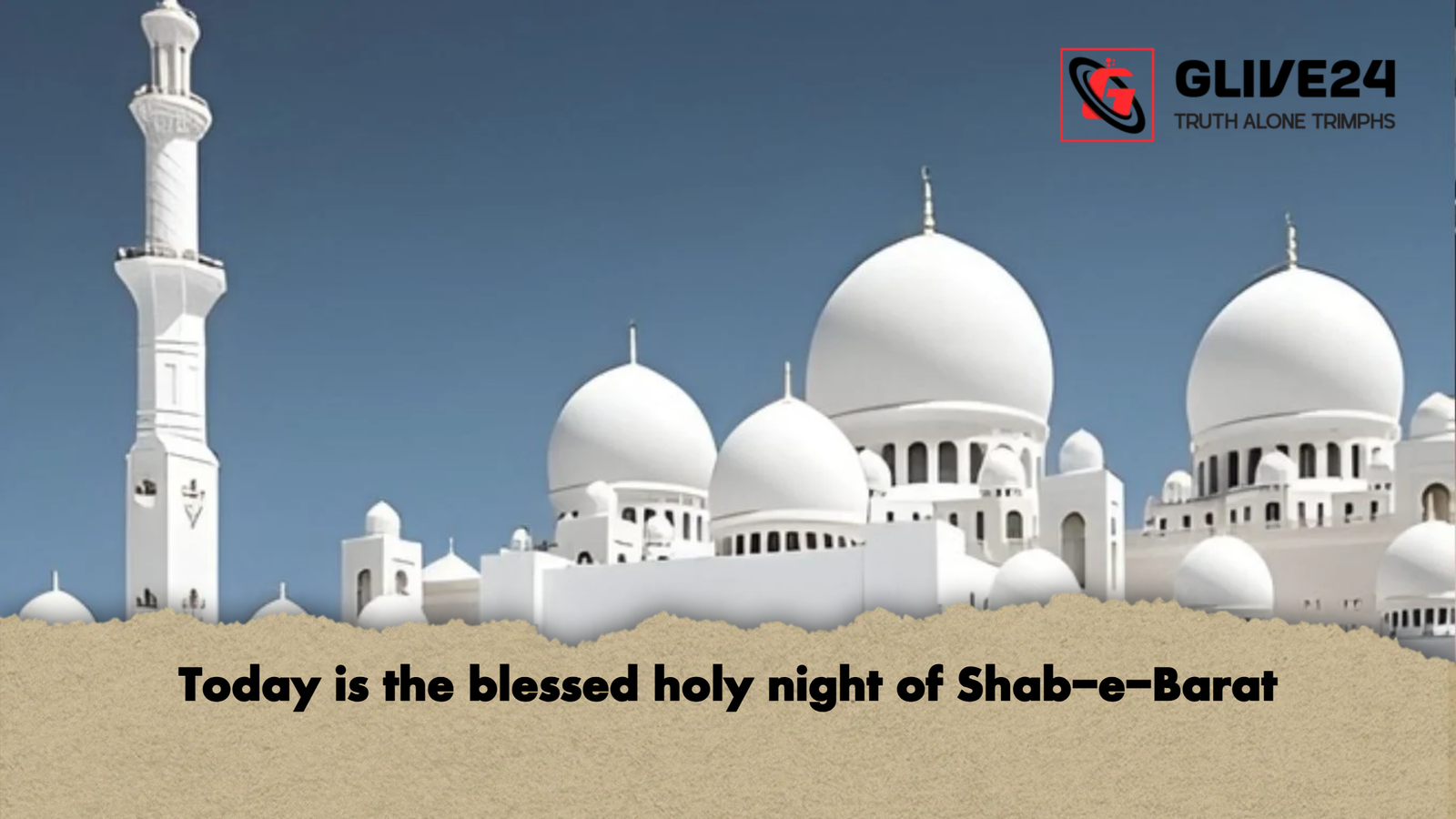
Tonight, the nation will observe the holy night of Shab-e-Barat (Lailatul Bara’at) with due reverence and spiritual solemnity. Marked by devotion, reflection, and prayer, this night holds profound significance in Islamic tradition as a time for seeking forgiveness, spiritual renewal, and divine mercy.
In Dhaka, the Islamic Foundation has organised a series of religious programmes at the Baitul Mukarram National Mosque. The evening will feature Qur’an recitation, Hamd and Na’at, sermons (Waz), and collective prayers (Dua Mahfil). Following the Maghrib prayer, the programme will commence with a sermon highlighting the virtues and significance of Shab-e-Barat. At 6:30 pm, Mufti Nazrul Islam Qasemi, Khatib of Badamtoli Shahjada Lane Jame Mosque, will speak on the spiritual importance of the night, drawing upon the Qur’an and Hadith.
Later, at 8:30 pm, Dr. Afam Khalid Hossain, advisor to the Ministry of Religious Affairs, will discuss the ethical and spiritual lessons of Shab-e-Barat, emphasising what deeds to embrace and avoid. The event will be presided over by A. Salam Khan, Director General of the Islamic Foundation and Senior District & Sessions Judge. Throughout the night, the mosque will remain open for Nafl prayers and Zikr, culminating in the final supplication (Akheri Munajat) after Fajr, led by the mosque’s senior Imam, Maulana Muhammad Mizanur Rahman.
Other regional and district offices of the Islamic Foundation, along with Islamic Mission Centres and Imam Training Academies, are holding similar seminars, sermons, and prayer gatherings across the country.
Shab-e-Barat, observed on the 15th night of Sha’ban, is regarded as a night of mercy, forgiveness, and self-reflection. The term ‘Bara’at’ originates from the Arabic root “Bara’ah”, meaning liberation or exemption. Symbolically, it represents release from sins, salvation from hellfire, and seeking closeness to Allah.
According to Hadith, Prophet Muhammad (peace be upon him) said:
“On the night of mid-Sha’ban, Allah looks upon His creation and forgives all except those who harbour enmity or associate partners with Him.”
This night is closely linked to divine decree (Taqdir). Many scholars believe that matters of life, death, sustenance, and fortune for the coming year are presented to the angels on this night. While ultimate destiny rests with Allah, sincere prayers and repentance allow believers to seek His mercy—a central tenet of Islam’s optimistic outlook.
The recommended practices for Shab-e-Barat include night-long worship, heartfelt supplications, and optional fasting the following day. It is important to distinguish between authentic religious acts and cultural practices such as fireworks, decorative lights, loud celebrations, or mandatory rituals, which are not supported by Qur’an or Hadith. Shab-e-Barat teaches that Islam is not merely about outward formalities, but about inner transformation, self-examination, and spiritual renewal.
| Time | Event | Speaker / Lead |
|---|---|---|
| 6:30 pm | Sermon on virtues of Shab-e-Barat | Mufti Nazrul Islam Qasemi |
| 8:30 pm | Discussion on Shab-e-Barat teachings | Dr. Afam Khalid Hossain |
| Night-long | Nafl prayers, Zikr, and supplications | Open for all worshippers |
| After Fajr | Final supplication (Akheri Munajat) | Maulana Muhammad Mizanur Rahman |
Shab-e-Barat remains one of the most spiritually significant nights of the Islamic calendar, a time for introspection, moral renewal, and seeking divine forgiveness. It reminds believers that true worship lies in heartfelt devotion, not ritualistic display.



Comments