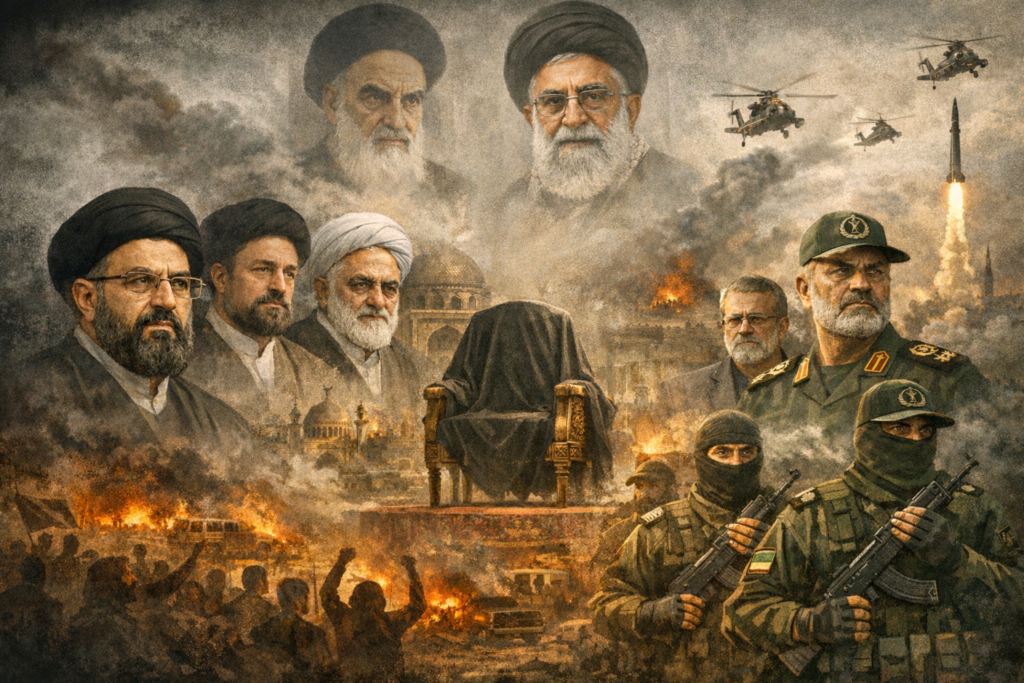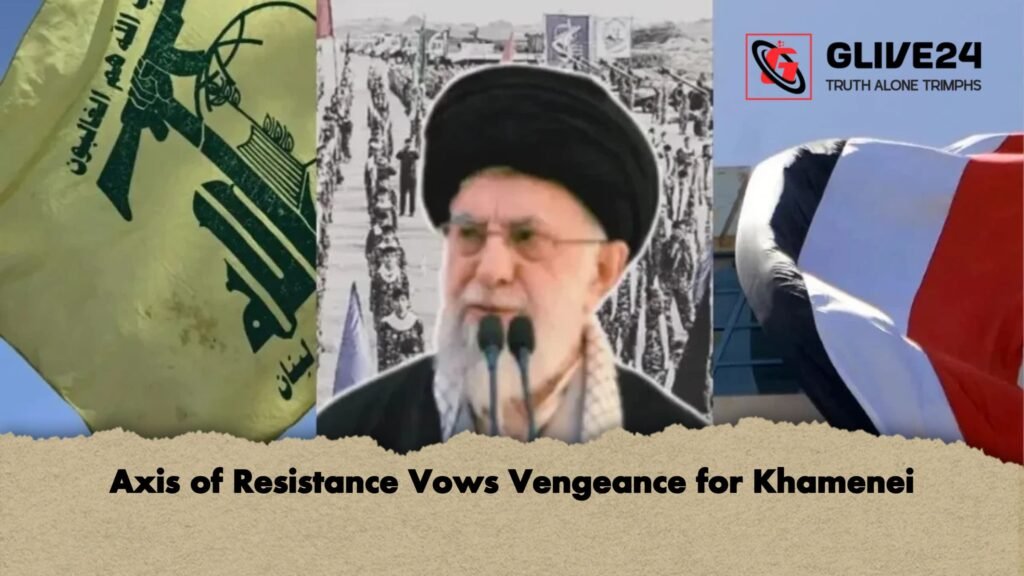
The Middle East has been plunged into a state of profound volatility following the death of Iran’s Supreme Leader, Ayatollah Ali Khamenei. As the news reverberates through the halls of power from Tehran to Washington, the “Axis of Resistance”—Iran’s sprawling network of regional proxies and allies—has issued a unified, defiant declaration of war. Vowing to avenge the fallen leader, the coalition has placed the blame squarely on the United States and Israel, threatening a “total war” that could reshape the geopolitical landscape of the Levant and beyond.
A Unified Front of Defiance
In Lebanon, Hezbollah has assumed a lead role in the rhetorical and military escalation. In a stern communiqué, the group announced its forces are at a state of peak “combat readiness” to repel what it terms Western and Zionist aggression. Intelligence reports suggest that the Iranian Revolutionary Guard Corps (IRGC) has already intensified its oversight of Hezbollah’s tactical operations to ensure no lapse in the network’s military posture during this transition of power.
Simultaneously, Hamas leadership condemned the event as a “heinous crime,” asserting that the perceived assassination has effectively dismantled any remaining hopes for regional stability. By linking the Supreme Leader’s death to the ongoing conflict in Gaza, Hamas seeks to further internationalise the struggle against Israeli influence.
Threats from the South and Iraq
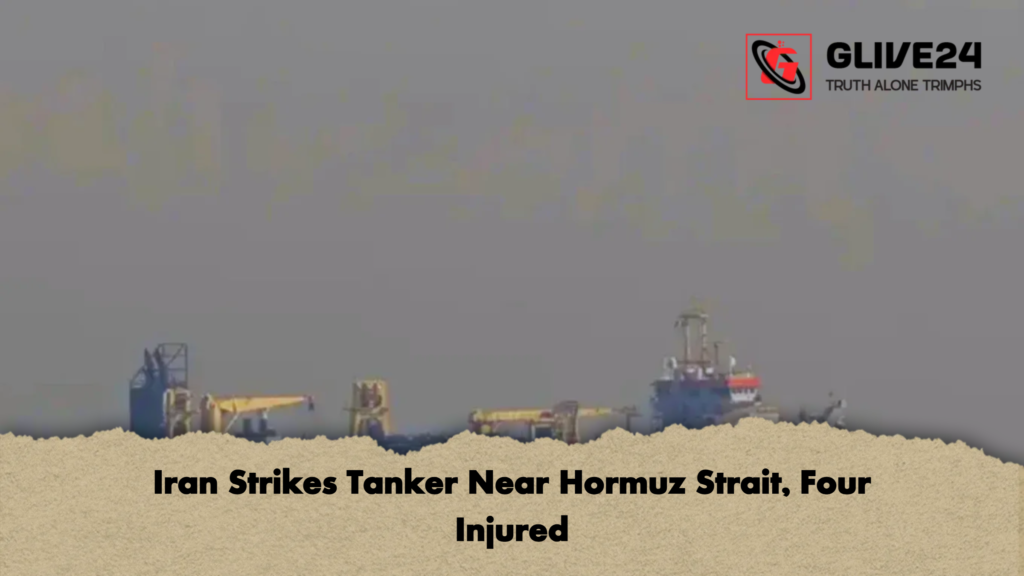
The Houthi movement in Yemen has added a maritime dimension to the threat. Abdul-Malik al-Houthi warned that his forces are prepared for “escalation at every level,” specifically targeting Western shipping interests in the Red Sea. This suggests that the strategic chokepoints of global trade remain a primary leverage point for the Axis.
In Iraq, Shia militias such as Kata’ib Hezbollah have echoed these sentiments, warning that the strike against Iran’s spiritual and political heart will trigger a “total war.” The prospect of coordinated strikes across multiple fronts—Lebanon, Yemen, Iraq, and Gaza—has put global markets and military commands on high alert.
The Power Vacuum in Tehran
As the region braces for a military response, the internal focus remains on the Assembly of Experts and the looming succession crisis. The identity of the next Supreme Leader will dictate whether Iran pursues a path of tactical pragmatism or ideological hardline escalation.
| Candidate | Background | Significance |
| Mojtaba Khamenei | Son of Ali Khamenei | Represents continuity and the influence of the clerical elite. |
| Ali Larijani | Former IRGC & Speaker | Seen as a seasoned diplomat with deep ties to the security apparatus. |
| Ebrahim Raisi* | Former President | Note: His death in 2024 previously narrowed the pool of clear successors. |
| Alireza A’afi | Senior Cleric | A potential compromise candidate for the religious establishment. |
The transition comes at a time when Iran’s domestic economy is under immense pressure, yet the external rhetoric remains uncompromising. Whether these threats manifest as a coordinated regional offensive or serve as a defensive posture during a fragile succession remains the critical question for international observers.