Bangladesh’s newly formed government is confronting a severe challenge in the power sector, inheriting massive debts owed to both domestic and foreign energy companies. With the onset of Ramadan, followed by the peak irrigation and summer season, ensuring uninterrupted electricity supply has become a pressing concern, with experts warning that solutions may be difficult to implement swiftly.
Currently, the country’s electricity demand stands at approximately 13,000 megawatts (MW), with projections suggesting that peak demand could reach 18,000 MW this year. Newly appointed Power and Energy Minister Iqbal Hasan Mahmud has emphasised that meeting this demand will require the full utilisation of gas, coal, and oil-fired power plants. He described the situation as effectively a case of “disaster management,” highlighting the need for urgent financial intervention.
Table of Contents
Installed Capacity and Peak Production
As of January 2026, Bangladesh has a total of 136 power plants (both public and private), along with import-based capacity, amounting to 28,919 MW of installed generation capacity. The nation has 49.4 million electricity consumers. The highest recorded daily generation was 16,794 MW on 23 July 2025.
| Parameter | Value |
|---|---|
| Total installed capacity | 28,919 MW |
| Number of power plants | 136 |
| Electricity consumers | 49.4 million |
| Highest daily generation | 16,794 MW (23 July 2025) |
Mounting Debt and Private Sector Concerns
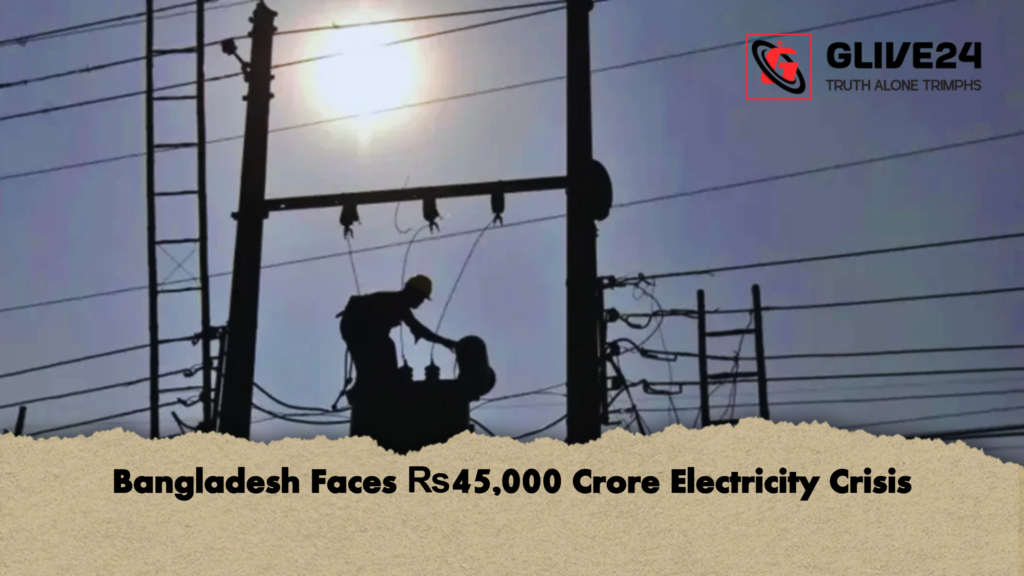
According to the Bangladesh Power Development Board (BPDB), the sector owes approximately 45,000 crore BDT to various domestic and international companies as of February 2026. Private oil-fired power producers alone are owed 14,000 crore BDT, with many unpaid for seven to eight months.
BPDB Chairman Md Rezaul Karim noted that this debt accumulated cumulatively over time, exacerbated by subsidies falling short and delays in government payments. While interim governments had temporarily reduced arrears, private operators reported that no bills were settled after July 2025, raising concerns that the new administration could inherit a financial bottleneck.
Fuel Import and Energy Security
Bangladesh’s electricity generation relies heavily on fossil fuels: 88% of total capacity depends on gas, coal, and oil. Local gas production has declined, necessitating increased imports of LNG, oil, and coal. Private companies import most of their oil, which takes 40–45 days to arrive after Letters of Credit (LCs) are opened.
| Fuel Type | Installed Capacity | Private Sector Share |
|---|---|---|
| Oil-fired | 5,637 MW | ~4,000 MW |
| Coal | 7,000+ MW | Predominantly public |
| Gas | Majority of remaining capacity | Mixed |
Fuel shortages have already reduced net oil reserves from over 100,000 metric tonnes in January 2026 to approximately 80,000 tonnes by mid-February. Delays in subsidy payments and unsettled bills threaten to disrupt fuel imports, which could intensify load-shedding during the peak summer season.
Financial Implications
Energy experts estimate that importing the necessary fuel could require $13–15 billion, with total sector requirements, including capacity payments, reaching around $25 billion. With limited funds available, the government must seek foreign assistance and attract direct investment to sustain supply.
Dr. Ijaz Hossain suggested that improving coal plant utilisation from 55% to 85% could significantly increase electricity output, but would require additional coal imports. He stressed that limiting subsidies for oil-fired plants, while politically sensitive, could help control the financial burden.
Moving Forward
Minister Iqbal Hasan Mahmud has indicated that priority will be given to ensuring electricity supply during Ramadan and peak summer demand. Oil-fired plants will remain on standby for emergencies, with partial payments to private operators to keep them operational. Analysts note that long-term solutions will require coordinated adjustments in tariffs, fuel mix, and operational efficiency.
CAB’s energy adviser M Shamsul Alam attributed much of the crisis to prior mismanagement and corruption, asserting that transparent billing and payment processes for all power producers could stabilise the sector.
In sum, Bangladesh’s power sector faces a complex intersection of financial arrears, fuel import dependency, and operational inefficiencies. Careful, multi-pronged strategies are essential to prevent widespread load-shedding and secure the country’s energy future.