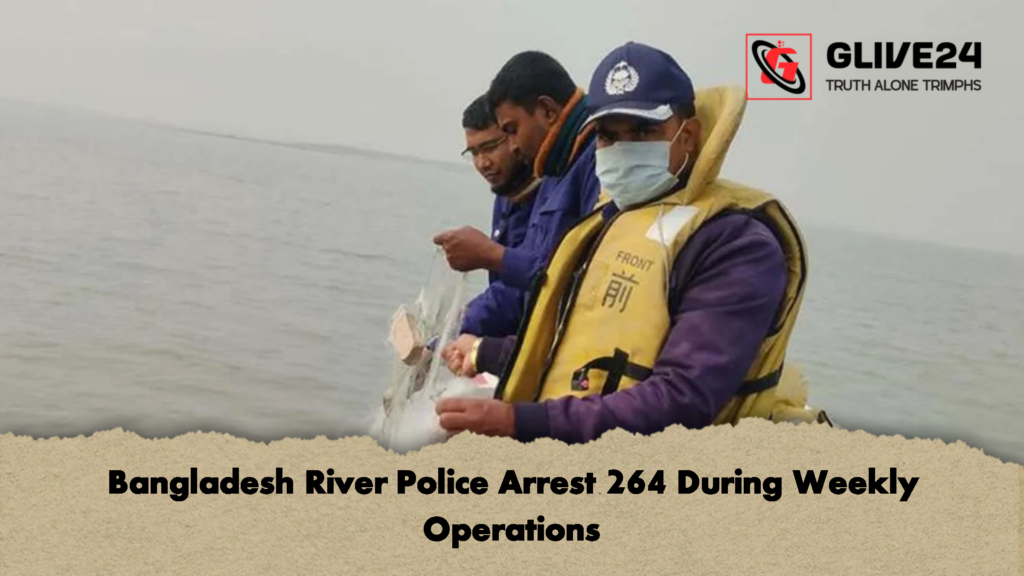
The Bangladesh River Police have apprehended 264 individuals over the course of a week-long nationwide operation aimed at protecting fisheries resources and ensuring maritime security. This extensive enforcement initiative resulted in the seizure of a substantial quantity of illegal fishing equipment, juvenile fish, and contaminated seafood. According to an official press release issued by the River Police headquarters on Thursday, 14 May 2026, these actions were part of a co-ordinated effort to uphold maritime law and preserve the ecological balance of the nation’s waterways.
Table of Contents
Detailed Inventory of Seizures
The scale of the operation is evidenced by the sheer volume of illicit materials confiscated by the authorities. The River Police reported the recovery of approximately 28,031,980 metres of prohibited fishing nets, which are often used illegally to trap fish of all sizes, thereby threatening the long-term sustainability of aquatic populations. In addition to the nets, the following items were documented and seized:
-
2,595 kilograms of adult fish.
-
821,000 shrimp fry (juveniles).
-
500,000 Bata fish fry.
-
60,000 Parshe fish fry.
-
2,000 Bagda shrimp fry.
-
150 kilograms of prawns injected with hazardous jelly.
The discovery of jelly-mixed prawns is of particular concern to public health authorities. Unscrupulous traders often inject prawns with substances such as gelatine or silica gel to artificially increase their weight and enhance their visual appeal before sale. The River Police confirmed that all seized contaminated prawns and illegal nets were destroyed in accordance with environmental protocols.
Habitat Protection and Vessel Regulation
Beyond the seizure of contraband, the River Police focused on dismantling structures that facilitate illegal poaching. Officers destroyed 147 artificial brush shelters (locally known as katha or jhup) that had been illegally installed in various rivers to lure fish into concentrated areas for easy capture. These structures often disrupt the natural flow of the river and interfere with navigation.
Furthermore, the enforcement teams scrutinised the legality of commercial vessels operating on the waterways. A total of 83 bulkheads (large cargo-carrying vessels) were found to be operating without valid documentation or in violation of safety standards. Consequently, cases have been filed against these vessels in the Marine Court. Additionally, one dredger involved in unauthorised activities was seized during the operations.
Legal Proceedings and Caseload
The week of intensive patrolling resulted in the filing of 88 formal criminal cases. The breakdown of these legal actions illustrates the diverse nature of the offences encountered by the River Police:
-
Fisheries Act Violations: 69 cases were registered for the use of illegal nets and poaching.
-
Speed Violations: Five cases were filed against vessel operators for exceeding permissible speed limits, which poses a risk to smaller river craft.
-
Sand Extraction Regulations: Three cases were initiated regarding the breach of rules governing sand mining.
-
Narcotics Control: Three cases were filed in relation to the transport or possession of illegal drugs on the waterways.
-
Miscellaneous Offences: The remaining eight cases covered various other maritime and civil infractions.
Humanitarian and Environmental Outcomes
In addition to law enforcement duties, the River Police performed several critical recovery and distribution tasks. During the reporting period, officers recovered nine deceased bodies from various river locations; these cases are currently undergoing standard investigative procedures to determine the cause of death.
Following the seizure of live juvenile fish, the authorities oversaw their release back into natural water bodies to support the replenishment of the ecosystem. The edible, uncontaminated fish that were seized were not wasted; the press release confirmed that these were distributed among several local orphanages. This balanced approach—combining strict legal enforcement with humanitarian distribution and environmental restoration—forms the core of the River Police’s operational mandate for May 2026