
Khabor Wala Desk
Published: 11th December 2025, 1:52 PM
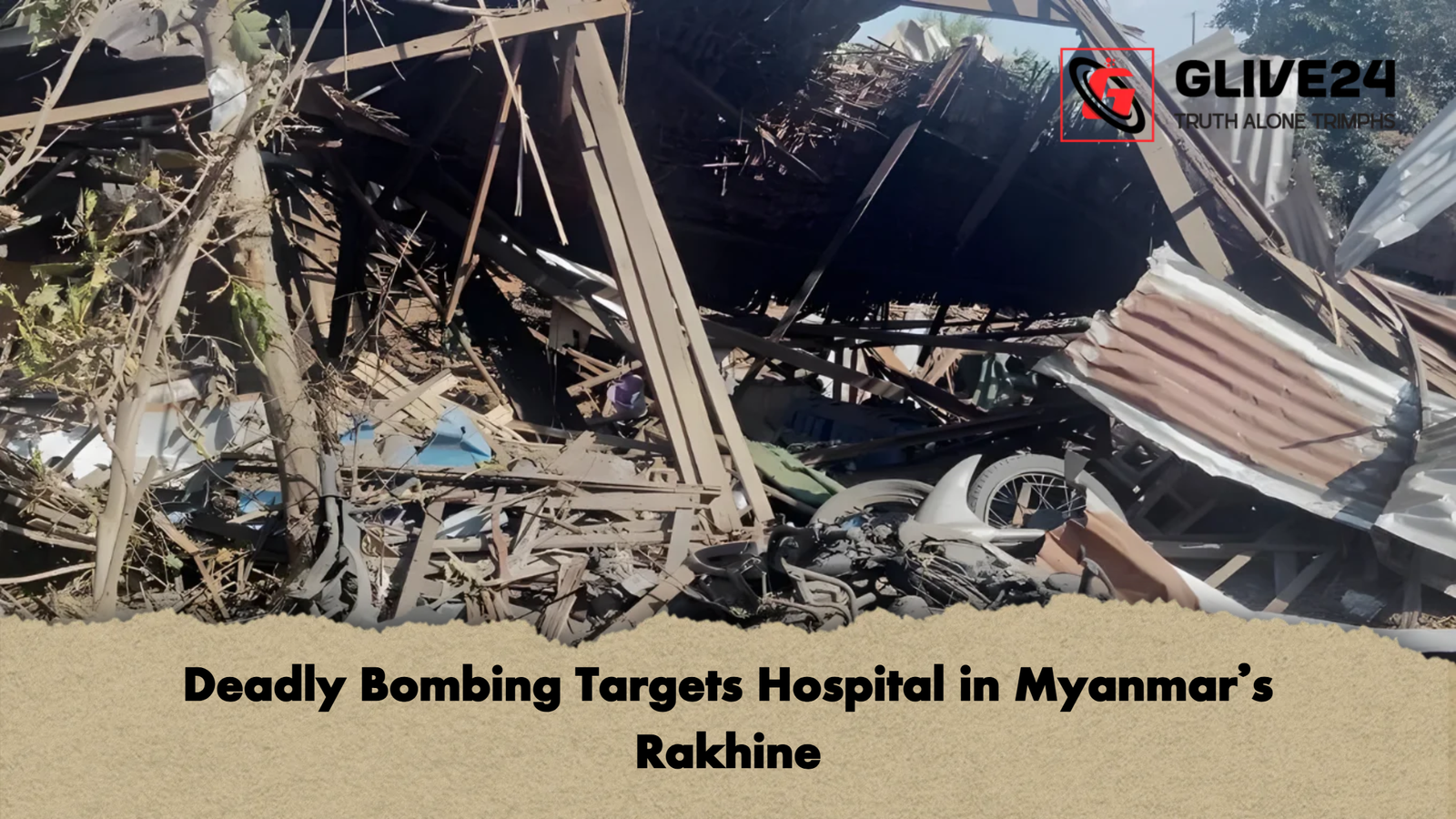
A devastating airstrike struck a hospital in Myanmar’s Rakhine State on Wednesday evening, claiming the lives of at least 31 people and leaving another 68 injured. The scale of destruction has raised fears that the death toll could rise further in the coming hours. Local relief worker Wai Htun Aung told journalists, “The situation is utterly horrific. Outside the hospital, we saw at least 20 bodies covered with sheets. The number of casualties may increase.”
The attack marks the latest escalation in a conflict that has steadily intensified since the military coup of 2021, which abruptly ended nearly a decade of democratic progress in the country. Following the coup, Myanmar plunged into widespread unrest and civil war-like conditions. The military government has announced nationwide elections for 28 December, but insurgent groups continue to block voting in areas under their control, prompting intensified military operations to reclaim territory.
Preliminary reports indicate that the airstrike targeted a hospital in the town of Mrauk-U, with the Arakan Army’s Health Department confirming that at least ten patients died instantly in the assault. The Arakan Army, an ethnic armed group based in Rakhine, has maintained a strong presence in the region for years and is considered one of the most formidable opponents of the military regime. At present, 14 out of 17 townships in Rakhine are under the group’s control, though their activities largely remain confined to the state’s interior, bordered by the Bay of Bengal on one side and rugged hills and forests on the other.
The military government has yet to issue a statement regarding the attack. Both local and international observers have expressed profound concern, noting that targeting a hospital—traditionally a protected, civilian facility—constitutes a clear violation of humanitarian law. Experts warn that such attacks could have far-reaching consequences, undermining regional stability and jeopardising civilian safety.
The Rakhine hospital bombing underscores the fragile security situation in Myanmar, where the civilian population continues to bear the brunt of military operations. Relief agencies and human rights organisations have called for immediate investigations and measures to safeguard non-combatants, warning that repeated assaults on healthcare facilities set a dangerous precedent for future conflict.


Comments