
Khabor Wala Desk
Published: 28th February 2026, 10:48 AM
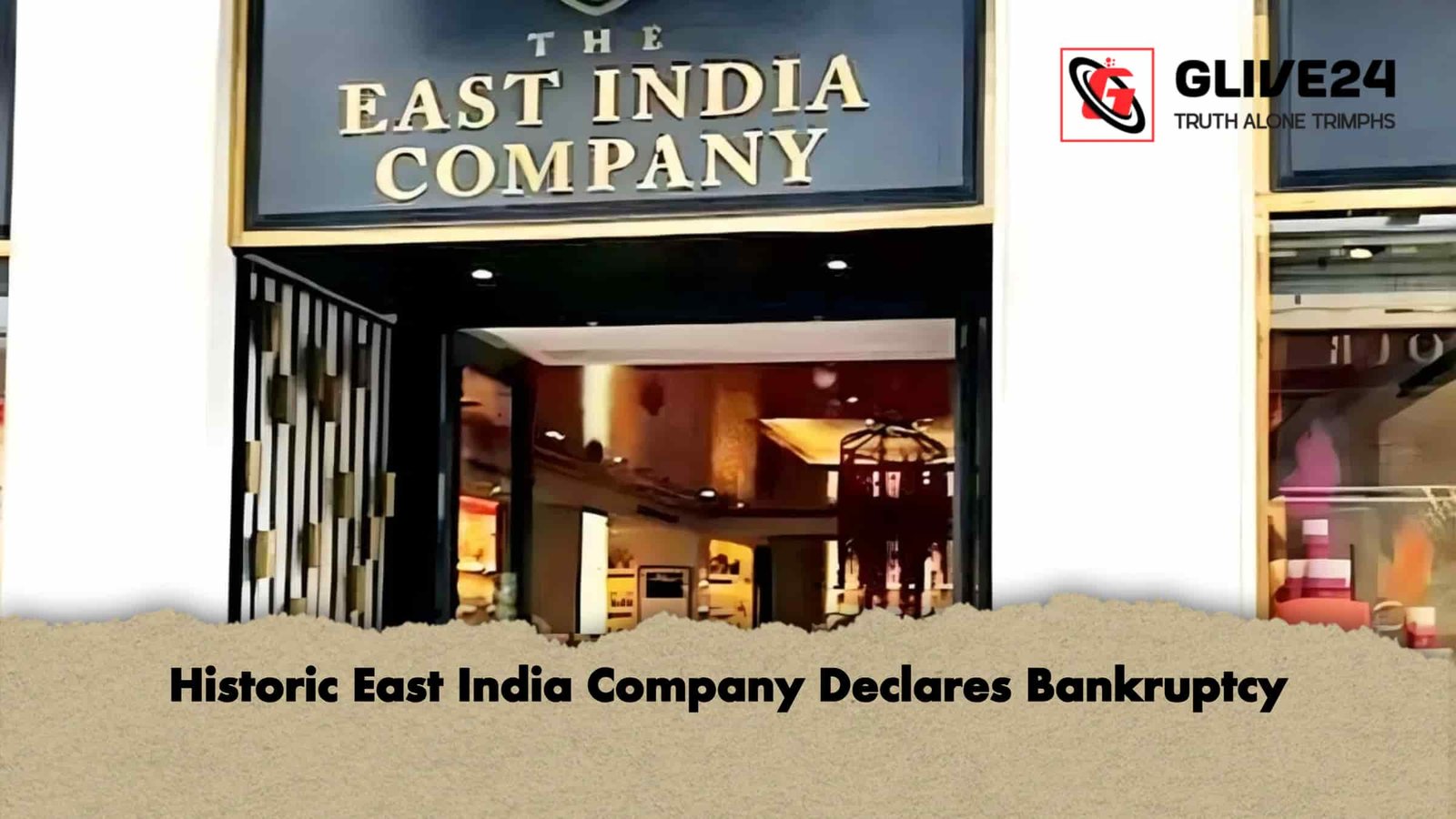
The historic British institution, the East India Company, is poised to close its doors permanently, ending nearly two centuries of storied existence. Established in 1757, the company profoundly shaped India’s trade and political landscape, leaving an indelible mark on the history of imperial commerce. Historians regard its bankruptcy as a significant chapter closing in the annals of global trade.
Following the 1857 Sepoy Rebellion, the company was temporarily suspended. In 2010, it was revived under the leadership of Indian entrepreneur Sanjeev Mehta, with a renewed focus on wholesale and retail commerce. A 2,000-square-foot showroom was launched in London’s Mayfair district, showcasing premium food and beverage products. Mehta’s ambition was to restore the company’s historical prestige while targeting an international clientele with high-end tastes.
Despite these efforts, the company has recently filed for bankruptcy due to persistent economic pressures and excessive operational costs. The East India Company Group now faces debts amounting to £600,000 (approximately 7.5 crore BDT), unpaid taxes of £193,789 (approximately 24.2 lakh BDT), and outstanding salaries of £163,105 (approximately 20.4 lakh BDT). Its affiliated branches and subsidiaries are also struggling with severe financial challenges.
The following table summarises the company’s current liabilities:
| Type of Liability | Amount (£) | Approximate Value (BDT) |
|---|---|---|
| Main company debt | 600,000 | 7.5 crore |
| Outstanding taxes | 193,789 | 24.2 lakh |
| Employee salaries outstanding | 163,105 | 20.4 lakh |
Experts attribute the company’s downfall to stagnant long-term business planning and an inability to adapt to a competitive, modern market. The 2010 revival aimed to establish a global presence in the luxury food and beverage sector, yet excessive expenditure and limited cash flow rendered the model unsustainable.
Economists view this collapse as a cautionary tale highlighting the complex interplay between heritage and commerce. The liquidation of the company’s assets has already begun, marking the definitive end of one of the most influential trading institutions of the British colonial era.
For centuries, the East India Company wielded considerable economic and political influence. Its closure represents a poignant moment in both British and Indian history, symbolising the conclusion of over 200 years of colonial trade dominance and securing its place in the historical record as an enduring icon of imperial commerce.



Comments