
Khabor Wala Desk
Published: 22nd February 2026, 12:13 PM
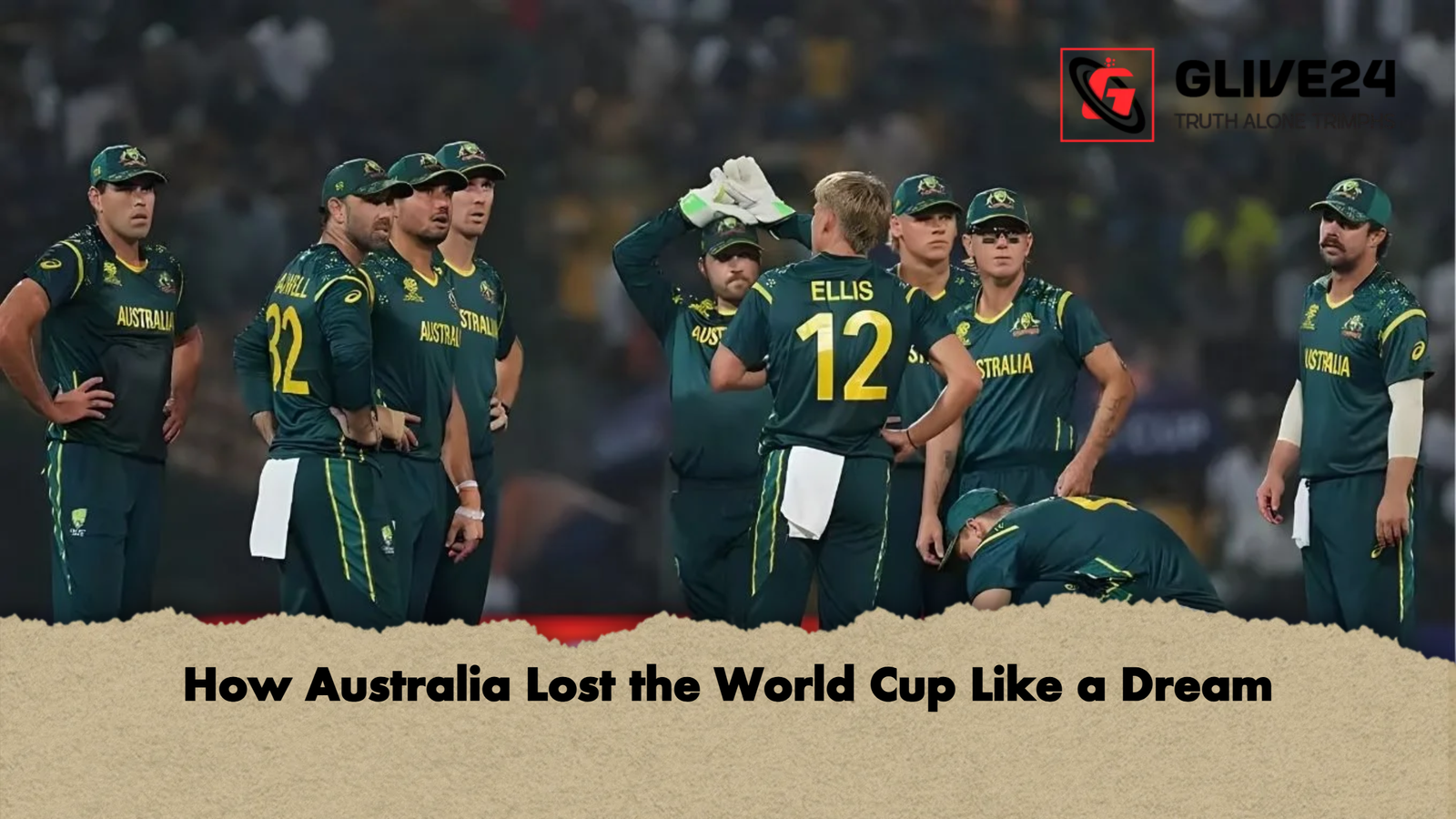
As unnecessary overthrows go, this one epitomised Australia’s 2026 T20 World Cup campaign.
It came in the first delivery of the 16th over during Oman’s innings. The associate side’s innings was meandering, the match was dull, and the evening offered little excitement. Glenn Maxwell fielded a ball struck straight back at him by Wasim Ali. In a routine attempt, he threw it towards the wicketkeeper—but the delivery missed its mark, bouncing harmlessly towards Adam Zampa at short fine leg. Zampa, in turn, let the ball slip through his legs, gifting an undeserved single to Wasim.
The players’ reactions captured the game’s irrelevance. Zampa glanced away. Maxwell did the same. So did every other Australian on the field. It had no impact on the contest—and none on Australia’s tournament fate. By this point, Mitch Marsh’s side had already seen their World Cup hopes extinguished days earlier, long before they trudged onto the field in Pallekele for the final group-stage match—a contest that felt more like a dead rubber than an international fixture.
Even Maxwell, moments later, cleaned up Wasim’s stumps, yet there was no celebration. No wicket throughout the Oman innings prompted one. Cameron Green, too, seemed more focused on returning to his mark than confirming whether a spectacular effort had resulted in a legal caught-and-bowled. The mood of lethargy permeated the field.
Australia’s troubles began long before that evening. Marsh’s decision to bowl first on a batting-friendly Pallekele pitch set the tone. Their T20 World Cup campaign ended 15 days earlier than anticipated, joining Afghanistan and Ireland as the three Test nations eliminated in the preliminary round.
Given the group they faced—Zimbabwe, who had failed to qualify for the previous edition, and Sri Lanka, who have struggled in recent T20 tournaments—the early exit is nothing short of a debacle.
| Team | Matches | Wins | Losses | Wickets Taken | Key Issue |
|---|---|---|---|---|---|
| Australia | 3 | 1 | 2 | 4 vs Zim, 2 vs SL, 4 vs Oman | Injuries, poor form, weak bowling depth |
| Oman | 3 | 1 | 2 | — | Opportunistic batting |
| Zimbabwe | 3 | 2 | 1 | — | Capitalised on Australia’s frailties |
| Sri Lanka | 3 | 2 | 1 | — | Controlled the home conditions |
Australia’s slide stemmed from a combination of misfortune and mismanagement. Their batting stars faltered: Maxwell, Green, and Josh Inglis were out of form, while Tim David returned from injury. Key bowlers Pat Cummins and Josh Hazlewood were absent, with Mitchell Starc retired from the format. Adam Zampa carried injury, leaving Nathan Ellis to lead a fragile attack.
Despite a strong pre-tournament record—16 wins in 20 games—the team’s “secret sauce” was gone. The Top 7 firepower that had inspired confidence before the World Cup failed to fire under pressure. Bench strength showed cracks, with Xavier Bartlett and Ben Dwarshuis struggling to compensate for the missing experience.
The fallout at home has been vocal, though often unconstructive. Many Australians, accustomed to T20 cricket behind a paywall or at inconvenient hours, have expressed interest only during extremes—either an unexpected title or a humiliating exit, as witnessed here.
Steve Smith’s shadow loomed over the campaign, with the former captain a passenger on the sidelines during a humiliating exit. Now, selectors, led by Tony Dodemaide, promise a “forensic review” of what went wrong—but for many, the hurt lingers. This World Cup failure is likely to be remembered not for a single misfield, but as a collective misadventure—a stark reminder that even Australia can sleepwalk out of glory.



Comments