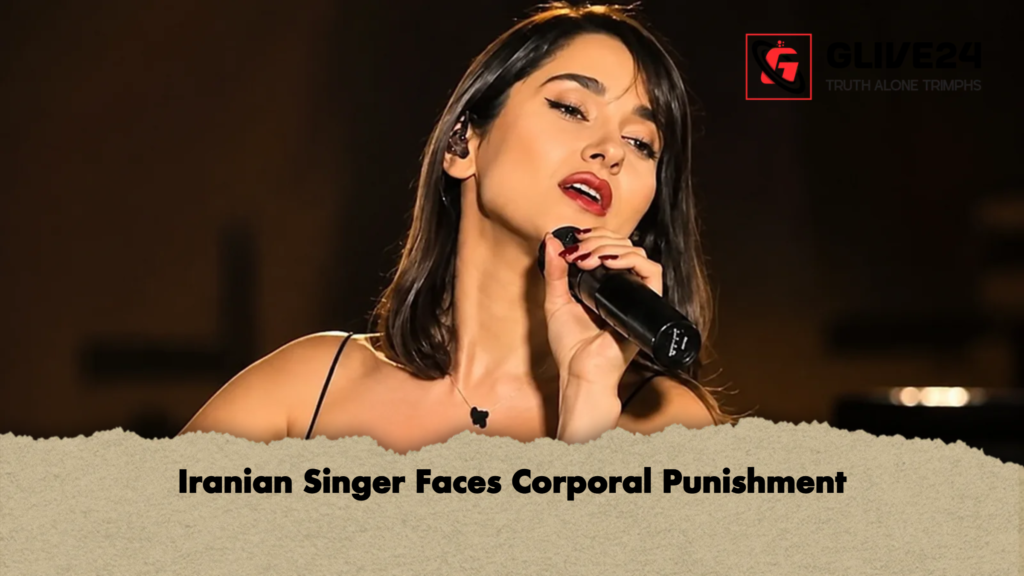
In December 2024, Iranian 29-year-old singer Parastu Ahmadi became the centre of an international controversy after performing a patriotic song during a live social media broadcast. The performance, titled “Az Khune Javanan-e Vatan”, attracted widespread attention after she appeared without wearing a hijab, a requirement under Iran’s strict dress code regulations. The footage rapidly circulated online, sparking debate both within Iran and abroad.
Following the broadcast, Iranian authorities detained Ahmadi along with several members of her musical team. Although they were released after a short period, legal proceedings were subsequently initiated against them. The case was later heard in a court in Qom Province, where a verdict was recently delivered imposing severe penalties.
The court ruled that Ahmadi and eight members of her group were guilty of “promoting obscene and immoral content.” As part of the sentence, each individual was ordered to receive 74 lashes. In addition, Ahmadi was handed a two-year ban from performing music and subjected to a travel restriction preventing her from leaving the country.
The ruling has drawn significant international attention and criticism. Human rights organisations and cultural advocacy groups have described the punishment as a serious infringement on artistic freedom and freedom of expression. They argue that the case reflects broader concerns regarding restrictions placed on cultural and political expression in Iran.
The US-based organisation Iran Human Rights Centre stated that imposing such severe corporal punishment for a musical performance and non-compliance with dress regulations highlights a troubling deterioration in the country’s human rights environment. Meanwhile, Iranian lawyer Moein Khazaeli noted that there is no explicit provision in Iranian law criminalising women’s singing or musical performance, suggesting that the charges may represent an overextension or misuse of legal authority.
The case has also prompted reactions from Iranian artists and activists living in exile. Figures such as actress Nazanin Boniadi and exiled performer Setareh Maleki have publicly condemned the ruling, calling for greater protection of artistic and personal freedoms.
International media coverage, including reporting by The Guardian, has amplified scrutiny of the verdict, with commentators suggesting it reflects ongoing tensions between state authority and cultural expression in Iran.
Summary of the Court’s Ruling
| Category | Details |
|---|---|
| Accused artist | Parastu Ahmadi |
| Number of collaborators | 8 individuals |
| Main allegation | “Obscene and immoral content” |
| Physical punishment | 74 lashes per person |
| Performance ban | 2 years for Ahmadi |
| Additional restriction | Travel ban imposed |
The case continues to resonate globally, reinforcing longstanding concerns over freedom of expression and the treatment of artists within Iran’s legal and political framework.