
Khabor Wala Desk
Published: 4th May 2026, 3:17 PM
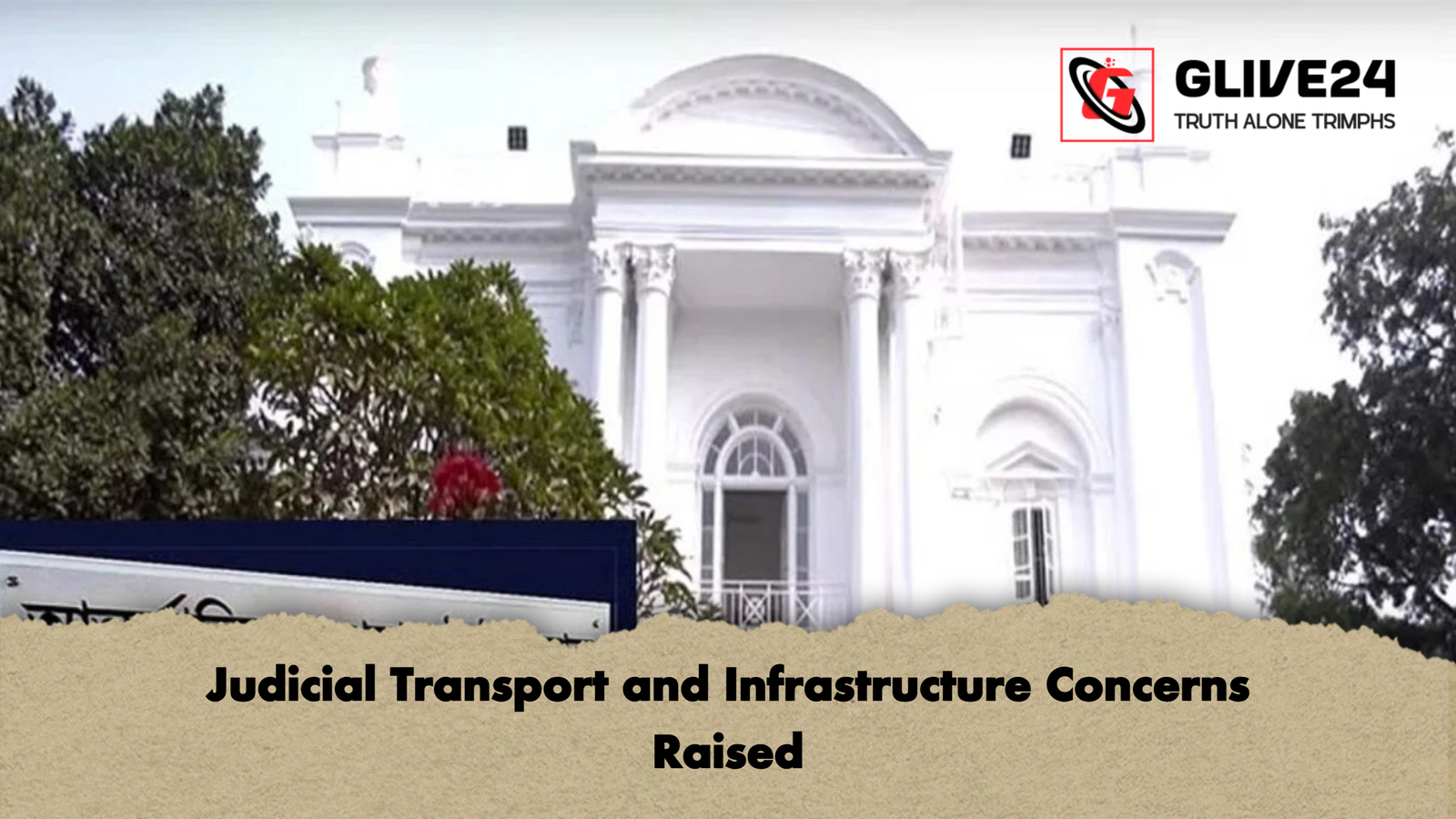
Justice Nazrul Islam Chowdhury, Chairman of International Crimes Tribunal-2, has expressed strong concern over the deteriorating condition of government transport and institutional infrastructure, highlighting how such shortcomings are increasingly affecting judicial operations.
On Monday (4 May), shortly before the commencement of proceedings at around 11:30 am, the Chairman made the remarks in open court at the tribunal’s courtroom. The three-member judicial panel, led by him, had arrived on schedule to begin the day’s proceedings. However, prior to formally initiating hearings, he addressed the Chief Prosecutor and other lawyers present, drawing attention to the difficulties caused by inadequate logistical and infrastructural support.
He stated that his official vehicle broke down while he was travelling from his residence to the tribunal. As a result, he was compelled to complete the journey in a police vehicle arranged en route. Expressing dissatisfaction, he remarked that such circumstances were unacceptable for a key judicial institution and warned that if the situation persisted, it might eventually force officials either to walk to court or resort to highly impractical alternatives. He also suggested that the matter should be escalated to the relevant higher authorities for immediate attention.
During the same session, Prosecutor Sultan Mahmud also highlighted internal operational difficulties within the tribunal. He noted that the air conditioning system in the courtroom has remained out of order for a prolonged period. Additionally, several structural components of the ageing building were reported to be in a deteriorated condition, creating discomfort and operational challenges during hearings.
Chief Prosecutor Aminul Islam concurred with these observations and emphasised the necessity of urgent remedial measures to ensure smooth judicial proceedings.
According to sources associated with the tribunal, the lack of regular maintenance of both infrastructure and essential equipment has resulted in recurring operational complications. These issues become particularly severe during warmer months when the non-functional cooling system significantly affects judges, lawyers, and attendees inside the courtroom.
A summary of the key issues raised is presented below:
| Issue | Current Condition | Impact on Operations |
|---|---|---|
| Government vehicle | Frequently unreliable and prone to breakdowns | Disruption in timely travel to court |
| Air conditioning system | Long-term malfunction | Severe discomfort during hearings, especially in hot weather |
| Building infrastructure | Ageing and poorly maintained | Compromised safety, comfort, and efficiency |
Following the Chairman’s remarks, discussions among legal professionals and tribunal stakeholders intensified regarding the state of judicial infrastructure. Many observed that the efficiency of the justice system depends not only on legal procedures but also on adequate administrative and physical facilities.
Legal practitioners present in court further noted that sustained inefficiencies in infrastructure and logistical support could have long-term implications for judicial proceedings. They stressed that ensuring proper facilities is essential for maintaining the dignity, efficiency, and uninterrupted functioning of the tribunal system.



Comments