Police Detain Thirty Five Students In Cinema Raid
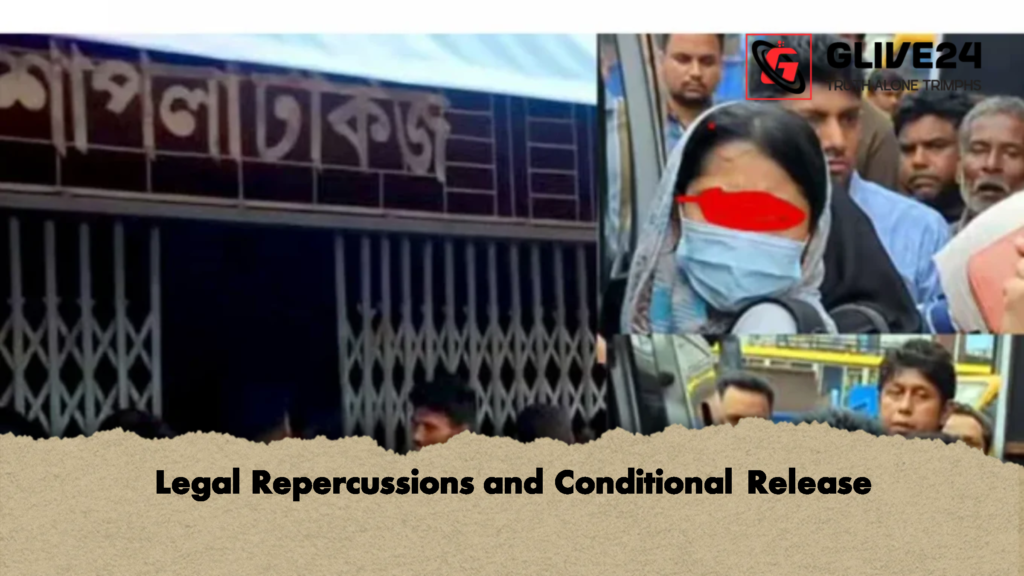
A significant crack-down on illicit activities within public entertainment venues took place in Rangpur on Sunday, 19 April 2026. The Metropolitan Detective Branch (DB) Police executed a coordinated surprise raid on the well-known Shapla Cinema Hall, resulting in the detention of 37 individuals. Amongst those apprehended were 19 young women and 18 men; however, the most concerning revelation from law enforcement was that 35 of these detainees are currently enrolled students from various local schools and colleges.
Details of the Strategic Operation
The raid was initiated on Sunday afternoon following an extensive period of surveillance triggered by confidential intelligence. Detective officers focused their efforts on the third floor of the cinema complex, situated in the high-traffic Shapla Chattar district. Upon breeching the area, police uncovered a sophisticated network of illicitly constructed, secluded “private cabins.”
These partitions were reportedly designed to be entirely separate from the main cinematic viewing gallery. Far from providing a venue for film appreciation, these clandestine rooms were discovered to be furnished with beds and other domestic amenities, clearly intended to facilitate “antisocial behaviour” under the fraudulent guise of a cinema ticket.
Sanatan Chakraborty, the Deputy Commissioner of the Metropolitan Detective Branch, provided a candid briefing on the operation’s findings. He noted that the cinema’s management had effectively monetised moral laxity by charging premium rates for these private chambers. He was careful to emphasise that the operation was highly targeted; genuine patrons who were in the theatre for the actual purpose of watching a film were neither interrupted nor subjected to any form of harassment.
In a notable move reflecting the sensitivity of the situation, the police have opted for a rehabilitative strategy for the students involved. Acknowledging that a formal criminal charge at such a tender age could irrevocably damage their future academic and professional prospects, the authorities made the decision to release the 35 students into the direct custody of their parents or legal guardians.
This release was strictly conditional. Each student, along with their guardian, was required to sign a formal undertaking (mucheleka), a legal pledge promising a permanent cessation of such activities. While the students were afforded a second chance, the establishment’s staff faced the full rigour of the law. Two employees of the Shapla Cinema Hall were formally arrested and processed for their direct roles in facilitating and profiting from the illicit use of the premises.
Comparative Data on Local Enforcement
The recent raid on the cinema hall is indicative of a broader, intensified campaign by the Rangpur authorities to regulate the city’s ethical and social environment.
| Date of Operation | Location | Category of Establishment | Number of Detentions |
| 15 April 2026 | Station Road District | Residential Hotel | 13 Individuals |
| 19 April 2026 | Shapla Cinema Hall | Cinema Complex | 37 Individuals |
| Current Month Total | Rangpur Metropolitan | Various Commercial Sites | 50 Individuals |
| Student Involvement | — | Percentage of Total Detainees | Approximately 70% |
A Burgeoning Social Dilemma
This high-profile intervention follows a similar enforcement action conducted on 15 April, where a residential hotel in the Station Road area was raided, leading to 13 arrests. The rising frequency of these incidents has sparked a vigorous debate amongst Rangpur’s social commentators and civil society leaders. Many point to a perceived decline in the “moral compass” of the youth, often attributing it to a lack of robust parental supervision and the influence of unregulated digital spaces.
Deputy Commissioner Chakraborty issued a categorical warning to the proprietors of other entertainment and hospitality venues within the city. He made it clear that the Metropolitan Police would not permit recreational hubs to be repurposed into centres for “moral degradation.”
Demands for Regulatory Reform
In the wake of the raid, local educators have expressed profound disappointment and shock at the demographic involved. Academic leaders are now lobbying for immediate legislative changes regarding the architectural requirements for public venues. There is a growing demand for a “transparency mandate,” which would prohibit the use of private cubicles or partitions in cinema halls, ensuring all viewing areas remain open to public sight and appropriately illuminated.
As the 35 students return to their homes under a cloud of controversy, the Rangpur Metropolitan Police have reaffirmed their commitment to maintaining the city’s social order. The authorities have pledged to continue their programme of surprise inspections, promising a zero-tolerance approach toward any commercial enterprise that exploits the vulnerability of young people for illicit profit.