
Khabor Wala Desk
Published: 25th April 2026, 7:17 PM
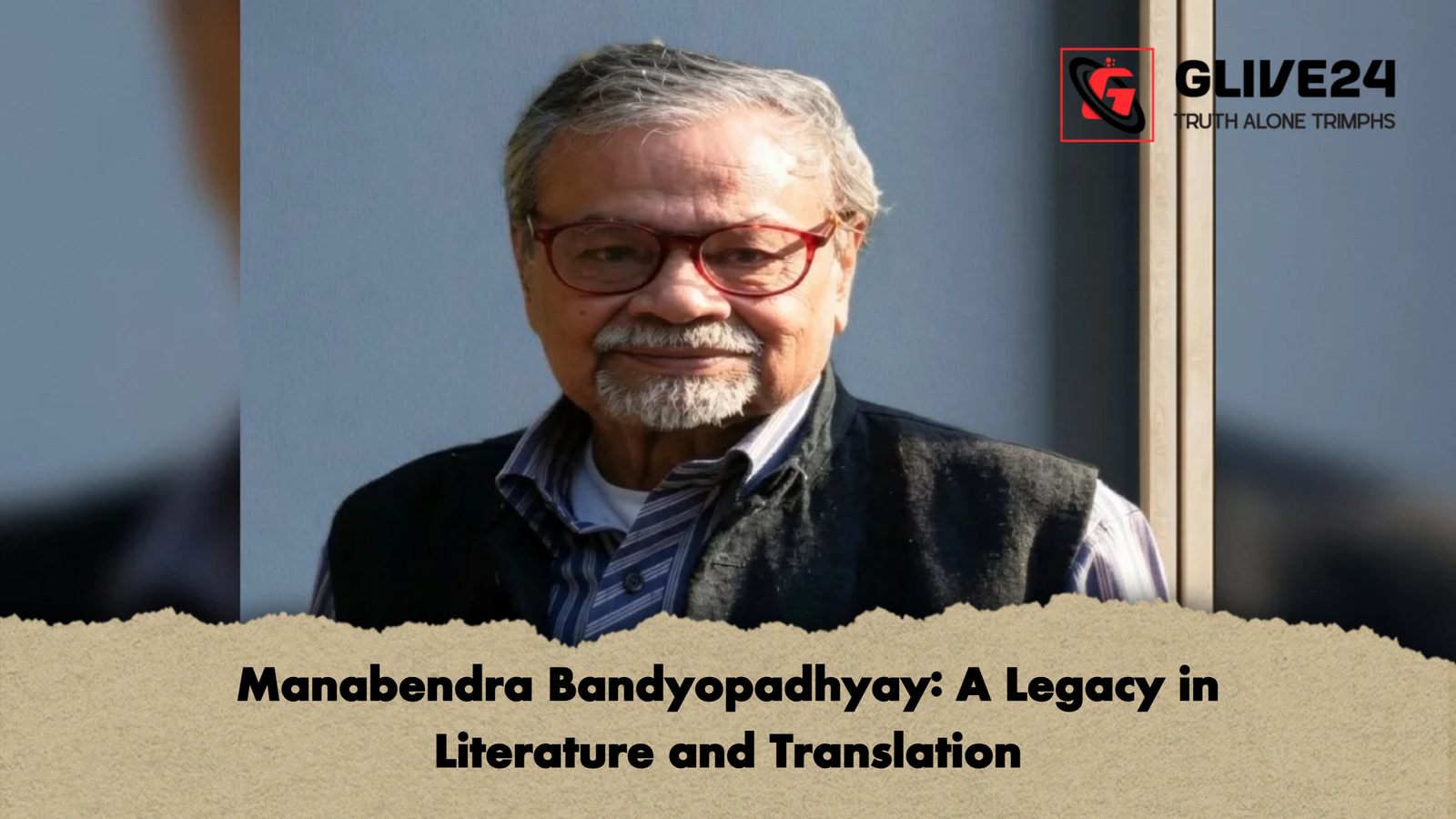
Manabendra Bandyopadhyay remains a cornerstone of modern Bengali literature, remembered as a prolific poet, novelist, essayist, and a pioneering translator. Born on 25 April 1938 in Sylhet, British India (now Bangladesh), Bandyopadhyay’s intellectual pursuits spanned several decades, during which he acted as a vital conduit between world literature and the Bengali-speaking audience. His scholarly interests were vast, encompassing comparative literature, Indian aesthetics, and the history of fine arts—disciplines he mastered with meticulous dedication.
Table of Contents
Bandyopadhyay’s career in education began internationally in Yangon, Myanmar. However, he is most prominently associated with Jadavpur University in Kolkata, where he served as a professor in the Department of Comparative Literature. His tenure there was marked by his ability to inspire a new generation of scholars, integrating global literary perspectives into the local academic framework. His academic rigour was complemented by his creative output, which consistently bridged the gap between academic theory and artistic practice.
The most significant facet of Bandyopadhyay’s legacy is his role as a translator. He is credited with introducing Bengali readers to the evocative world of Latin American literature. Through his work, the concept of “Magic Realism” entered the Bengali literary consciousness, transforming the reading habits of the region.
Long before Gabriel García Márquez was awarded the Nobel Prize in Literature in 1982, Bandyopadhyay had already begun translating his works. As early as 1970, he started the arduous task of rendering Márquez’s intricate prose into Bengali. His translations include seminal works such as No One Writes to the Colonel (Kornerke Keu Chithi Lekhe Na) and The Incredible and Sad Tale of Innocent Eréndira and Her Heartless Grandmother (Sorola Erendira). He also translated Márquez’s historic Nobel acceptance speech, ensuring its philosophical depth reached a wider audience.
Beyond Márquez, Bandyopadhyay introduced other titans of Latin American letters to the East, most notably the Mexican novelist Carlos Fuentes. His efforts expanded the horizons of Bengali literature, moving it beyond traditional Western European influences toward a more global, post-colonial dialogue.
| Category | Details |
| Full Name | Manabendra Bandyopadhyay |
| Date of Birth | 25 April 1938 |
| Place of Birth | Sylhet, British India |
| Academic Affiliation | Professor, Jadavpur University (Comparative Literature) |
| Literary Roles | Poet, Novelist, Essayist, Translator, Editor |
| Major Translated Authors | Gabriel García Márquez, Carlos Fuentes |
| Key Translations | No One Writes to the Colonel, Innocent Eréndira |
| Notable Achievement | Introduced Magic Realism to Bengali literature |
| Date of Passing | 4 August 2020 |
The literary community suffered a profound loss when Manabendra Bandyopadhyay passed away on 4 August 2020. He succumbed to complications arising from a COVID-19 infection during the height of the global pandemic. Despite his physical absence, his influence persists through his extensive bibliography and the translated works that continue to educate and fascinate readers.
Bandyopadhyay’s work transcended mere linguistic substitution; he captured the cultural nuances and rhythmic complexities of the original texts. By dismantling linguistic barriers, he rendered world literature accessible and universal, securing his place as a silent but deeply influential force in the evolution of Bengali letters.




Comments