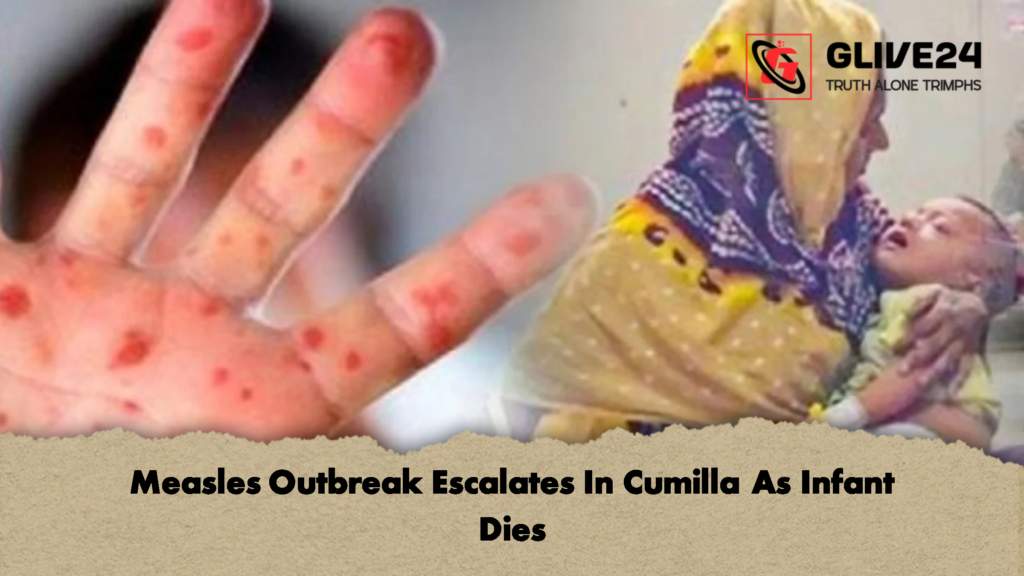
The public health landscape in Cumilla has been struck by a renewed sense of urgency and trepidation following a sharp uptick in suspected measles cases. Within the last 24 hours, local health authorities have reported the identification of 50 new suspected patients, a figure that underscores a burgeoning crisis. Compounding this alarm is the tragic news of another fatality—an infant who succumbed to symptoms consistent with the viral infection, marking a sombre milestone in the district’s ongoing battle against the disease.
Table of Contents
Recent Fatalities and Clinical Reports
On the evening of Sunday, 19 April 2026, the District Deputy Civil Surgeon, Dr Reza Sarwar Akbar, confirmed the latest statistics to the media. The most recent victim has been identified as Md. Hossain, a mere ten-month-old infant hailing from the Muradnagar Upazila of Cumilla. The clinical timeline of the child’s illness reveals a distressing progression: he was admitted to the hospital on 14 April presenting with a high fever and acute respiratory distress. Despite intensive medical intervention and the best efforts of the paediatric staff, he passed away on the night of 17 April.
The health department’s daily bulletin highlights a volatile situation. While 50 new cases were identified in a single day, 15 patients required immediate hospitalisation due to the severity of their symptoms, including high-grade fevers and secondary infections. Conversely, there is a slight glimmer of hope as 22 individuals were discharged within the same period after successfully recovering under medical supervision.
Cumulative Data and Epidemiological Trends
Since the commencement of 2026, the district has seen a persistent and worrying rise in viral transmissions. Health officials have been diligently tracking “suspected” cases—defined as those exhibiting the classic maculopapular rash and high fever—whilst awaiting definitive laboratory confirmation.
| Epidemiological Metric | Recorded Figure (YTD 2026) |
| Total Suspected Measles Cases | 757 |
| Laboratory-Confirmed Infections | 28 |
| Total Fatalities (Suspected Measles) | 5 |
| Total Hospital Admissions | 421 |
| Patients Successfully Discharged | 310 |
| Patients Currently Undergoing Treatment | 111 |
Challenges in Laboratory Confirmation and Surveillance
One of the most striking aspects of the current outbreak is the significant disparity between suspected cases and laboratory-confirmed infections. Out of 757 suspected instances, only 28 have been officially confirmed through rigorous serological testing. This lag is primarily attributed to the time required for complex analysis and the logistical challenges inherent in transporting biological samples from rural upazilas to centralised, high-tech testing facilities in Dhaka or regional hubs.
However, medical experts warn that the clinical symptoms observed in the five deceased individuals point unequivocally towards measles, regardless of pending lab results. The high rate of hospitalisation—with 111 patients currently remaining in various infectious disease wards—suggests that the strain currently circulating may be particularly virulent or is primarily affecting a demographic with low pre-existing immunity.
Public Health Response and Immunisation Gaps
The death of ten-month-old Hossain has brought the issue of infant immunisation to the forefront of the local discourse. Measles is a highly contagious airborne disease that can lead to devastating complications, such as pneumonia, encephalitis, and permanent disability. It is particularly lethal in malnourished children or those with compromised immune systems.
The District Health Office has intensified its surveillance and is reportedly planning an emergency “mop-up” vaccination drive in known hotspots like Muradnagar to truncate the chain of transmission. Dr Akbar emphasised that while many patients are recovering through supportive care, the community must remain vigilant. Parents are urged to ensure their children complete the MR (Measles-Rubella) vaccine schedule, as it remains the most effective shield against such avoidable tragedies.
Community Impact and Heightened Anxiety
The atmosphere in Cumilla remains exceedingly tense. The rapid identification of 50 cases in a single day has led to concerns of a potential “super-spreader” event within local schools or densely populated residential quarters. Health workers are currently conducting door-to-door screenings to identify symptomatic children who may not have been brought to formal medical facilities due to social stigma or lack of awareness.
As the district grapples with these rising numbers, the priority remains on reducing the mortality rate through early detection. The recovery of over 300 individuals offers some measure of solace; however, the loss of five lives—predominantly young children—serves as a harrowing reminder of the work that remains to be done in fortifying the region’s public health defences against preventable viral diseases.